




Why Your Garden Adores Compost
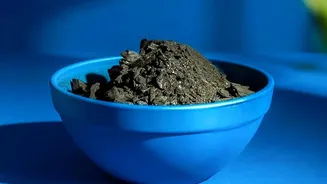
Think of compost as a superfood for your soil. It’s a dark, crumbly, nutrient-rich material created from the decomposition of organic matter. When you add it to your garden, you’re not just feeding your plants; you're nurturing an entire ecosystem. Compost
improves soil structure, helping clay soils loosen up and sandy soils retain more water. It creates the perfect environment for beneficial microorganisms—bacteria and fungi—that break down organic materials and make essential nutrients like nitrogen, phosphorus, and potassium readily available to your plants. This process supports robust root development and helps plants become more resilient to pests and diseases, all without the need for chemical fertilisers.
Gathering Your Composting Ingredients
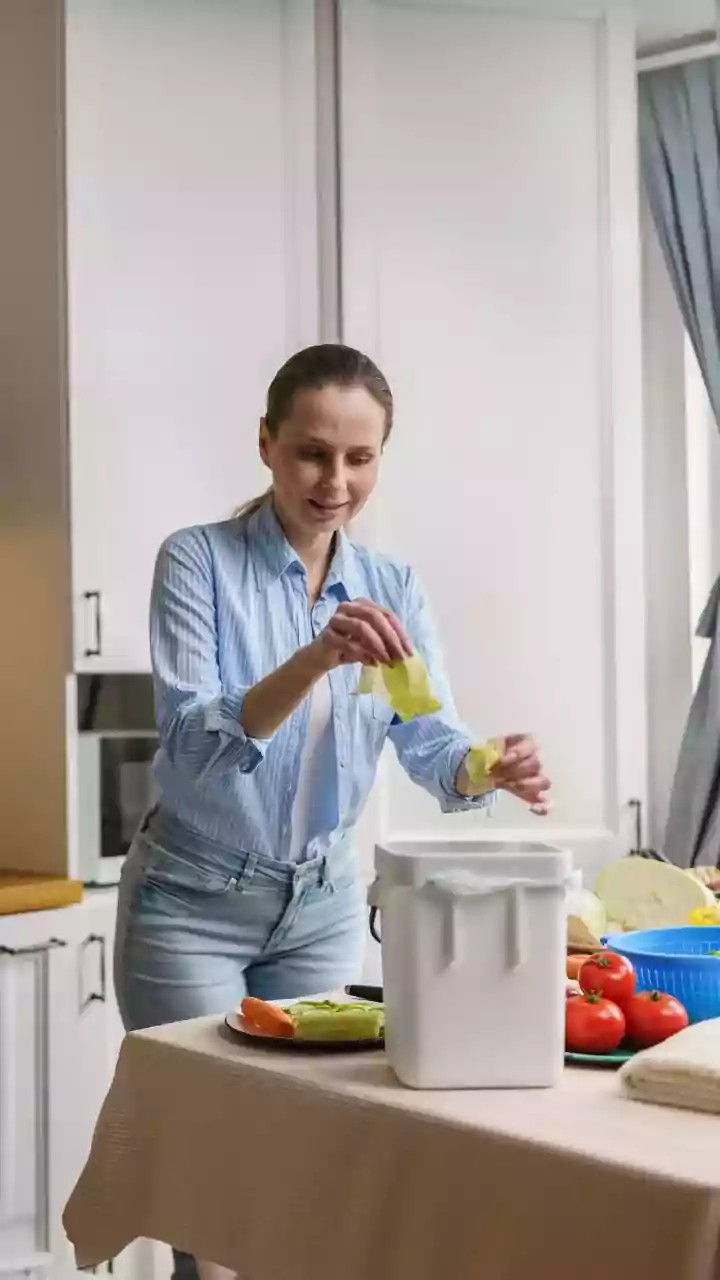
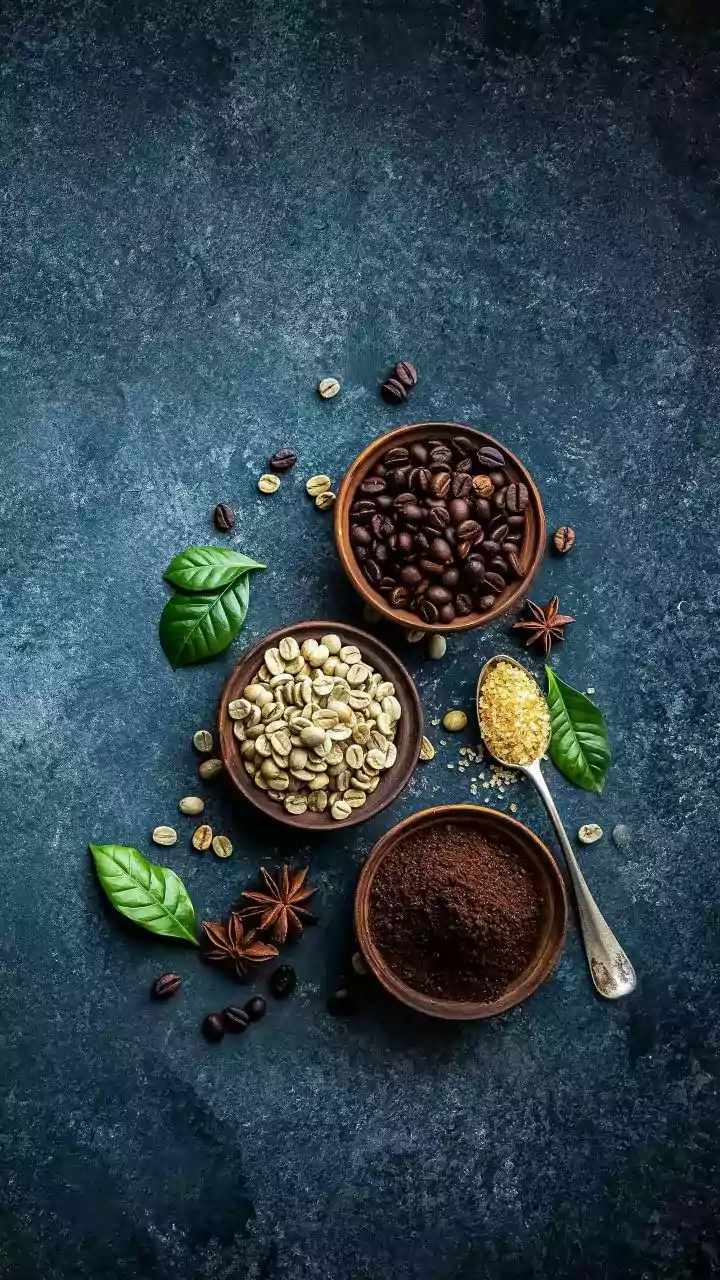
A successful compost pile requires a balance of two types of materials: 'greens' and 'browns'. Greens are rich in nitrogen and include most of your kitchen scraps. Vegetable peels, fruit waste, coffee grounds, and, of course, tea leaves are excellent green materials. Browns are carbon-rich materials that provide energy for the composting microbes and prevent the pile from becoming slimy and smelly. These include things like dried leaves, shredded cardboard, newspaper, and small twigs. A good rule of thumb is to aim for a ratio of about two parts brown materials to one part green materials to keep your compost pile well-aerated and decomposing efficiently.
The Tea Question: Bags or Loose Leaf?
Tea leaves are a fantastic addition to compost. They are nitrogen-rich and can even help speed up the decomposition of other materials in your pile. However, the tea bag itself can be tricky. Many commercial tea bags are made with polypropylene, a plastic that will not break down. Paper-based bags are generally compostable, but unless a brand explicitly states it is 'plastic-free' or 'certified for home composting', it’s safest to tear the bag open. Empty the tea leaves into your compost bin and discard the bag to avoid contaminating your finished compost with microplastics. Loose-leaf tea can be added directly without any concerns.
What to Leave Out of Your Compost Bin
Not all kitchen waste is suitable for a home compost pile. To avoid foul odours, pests, and harmful pathogens, you must avoid adding certain items. Keep all meat, fish, bones, and dairy products out of your bin. The same goes for oils, grease, and fatty or heavily processed foods. While small amounts of citrus peels are fine, large quantities can make the compost too acidic. Finally, never add pet waste from cats or dogs, as it can contain dangerous pathogens that won't be killed by the home composting process.
A Simple Guide to Starting Your Compost
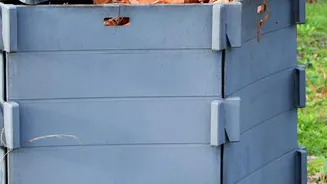
You don’t need much to get started. Choose a bin or a dedicated spot in your yard that's at least three feet by three feet. Start with a base layer of coarse brown materials, like twigs and shredded cardboard, to ensure good airflow from the bottom. Next, begin adding your kitchen scraps and yard trimmings in alternating layers of greens and browns. Whenever you add a layer of wet 'greens' like vegetable peels, cover it with a generous layer of dry 'browns' to deter pests and manage moisture. Keep the pile as moist as a wrung-out sponge; you may need to water it occasionally if it gets too dry. Turning the pile with a pitchfork every week or two will speed up decomposition by introducing oxygen.
Is It Ready? How to Tell
Patience is key. Depending on the size of your pile and how often you turn it, your compost can take anywhere from a few months to a year to be ready. You'll know it's finished when it has transformed into a dark, rich, and crumbly material that smells earthy, like a forest floor. There should be no recognisable food scraps left, although a few tougher items like avocado pits might remain, which you can simply toss back into your new pile. The finished compost should also be cool to the touch, indicating the active decomposition phase is over.
Putting Your 'Black Gold' to Use
Once your compost is ready, it's time to let your garden reap the rewards. For new garden beds, you can mix a layer of 3 to 4 inches into the top 8-12 inches of soil before planting. For existing plants and vegetable gardens, an annual top-dressing of a half-inch to one-inch layer is sufficient to replenish nutrients. You can also create a nutrient-rich potting mix for containers by blending about one part compost with three to four parts regular potting soil. Some gardeners even brew 'compost tea' by steeping finished compost in water and using the liquid as a natural fertiliser.