



The Confidence Gap in the Produce Aisle
Many of us hesitate to buy produce that looks unfamiliar or isn't perfectly uniform. This isn't about being picky; it's often a 'confidence gap'. Research shows that a lack of cooking skills and confidence directly contributes to household food waste.
When we don't know how to handle a slightly bruised apple or what to do with an abundance of seasonal spinach, we tend to play it safe, opting for familiar, cosmetically perfect items. This behaviour, however, has significant consequences. Globally, a massive portion of produce is discarded simply because of its appearance, never even making it to store shelves. At home, a lack of planning and the inability to adapt recipes to the ingredients on hand leads to more food ending up in the bin. Building confidence in the kitchen is a direct and powerful way to combat this, turning potential waste into delicious meals.
Embracing the Beauty of 'Ugly' Produce
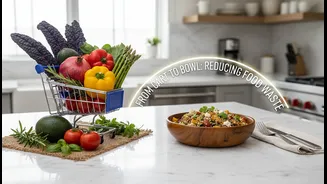
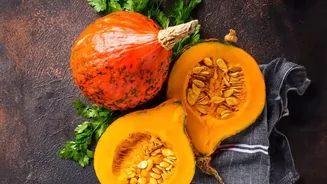
The term 'ugly' produce refers to fruits and vegetables that are perfectly edible but are rejected due to cosmetic imperfections like unusual shapes, sizes, or minor blemishes. Studies have shown that consumers often perceive this produce as less tasty or nutritious, even though there's no factual basis for this belief. The truth is, that crooked carrot or lumpy tomato is just as packed with vitamins and flavour. By choosing to buy these items, you’re not just getting a bargain—imperfect produce is often sold at a significant discount—you're also helping to reduce the staggering amount of food wasted each year. A confident cook knows that once chopped, roasted, or blended, appearance doesn't matter. A lumpy potato makes a perfectly smooth mash, and a scarred apple stews into a beautiful sauce.
The Power of Seasonal Eating
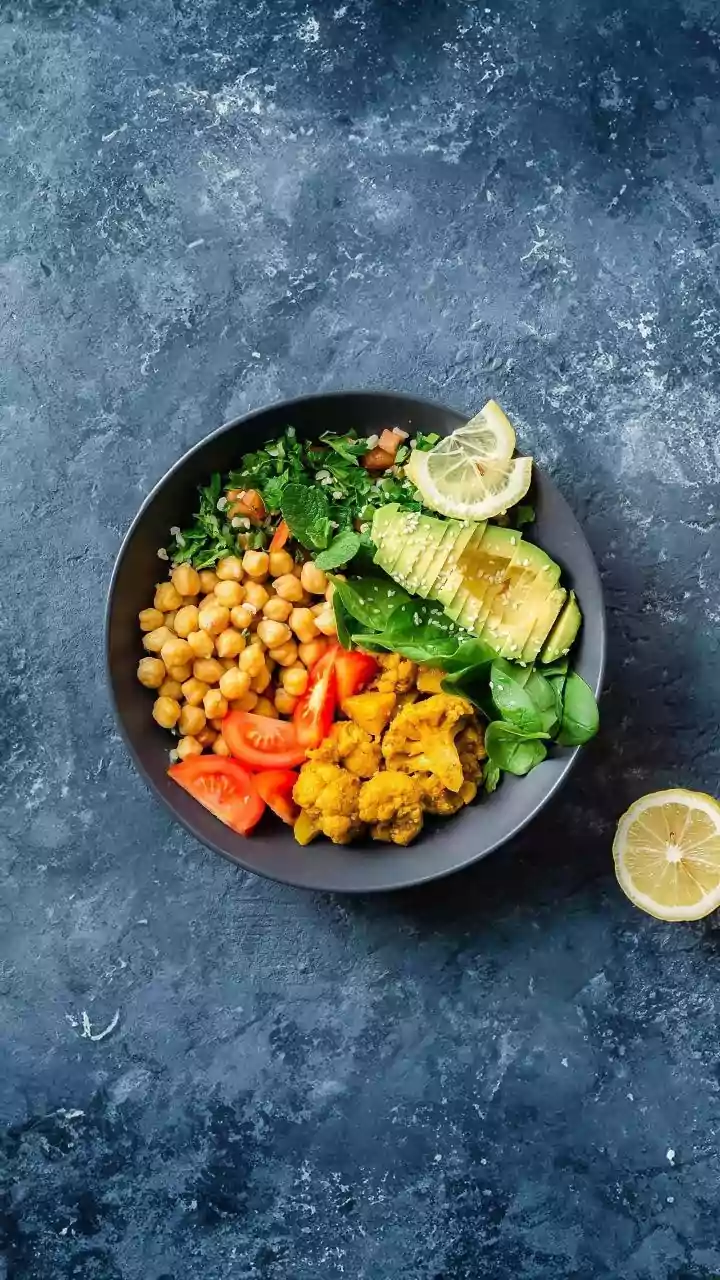
Cooking with the seasons is a tradition deeply rooted in Indian culture for good reason. Seasonal produce is at its peak in terms of flavour and nutritional value. When fruits and vegetables are harvested in their natural cycle, they are fresher, tastier, and more nutrient-dense than those grown out of season or transported long distances. Eating seasonally is also more affordable. When a crop is in season, it's abundant, which drives down costs. This is where cooking confidence becomes a superpower. Instead of sticking to the same short list of vegetables year-round, you can adapt your cooking to what’s fresh and affordable at the local market. This flexibility allows you to enjoy a wider variety of foods, support local farmers, and align your diet with nature's rhythm.
How to Build Your Kitchen Confidence
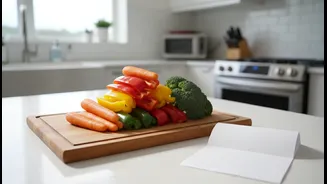
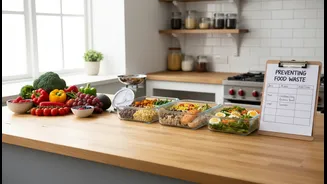
Becoming more confident in the kitchen doesn't require culinary school; it’s about mastering a few basics and practising regularly. Start by learning fundamental techniques like chopping, sautéing, and roasting. Watching online tutorials can be a great help. Focus on mastering a few simple, forgiving recipes you genuinely enjoy, like a hearty dal, a vegetable stir-fry, or a simple soup. As you get comfortable, you can start experimenting with ingredient swaps. Another key step is getting organized with 'mise en place'—prepping all your ingredients before you start cooking. This simple habit makes the entire process less stressful and more enjoyable. Finally, don't be afraid of mistakes. Every over-salted dish or slightly burnt vegetable is a lesson that builds your intuition and resilience as a cook.
From Scraps to Staples
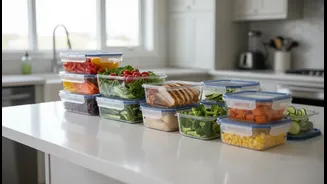
A confident cook sees potential where others see waste. Instead of tossing broccoli stalks, peel and slice them for a stir-fry. Save vegetable peels and ends in the freezer to make a flavourful homemade stock. Wilted greens can be revived in a bowl of ice water or, even better, blended into pestos, smoothies, or soups. Learning simple preservation techniques like freezing or pickling can also drastically extend the life of your produce, ensuring nothing goes to waste. By shifting your mindset from following recipes rigidly to understanding ingredients, you unlock a more creative and sustainable way of cooking. It’s about seeing a slightly soft tomato not as a problem, but as the perfect start to a rich pasta sauce.