

Core Apparel: The Quick-Dry Rule
The single most important rule for monsoon trekking is to avoid cotton. Cotton and denim absorb moisture, become heavy, and take a very long time to dry, which can lead to chafing and a drop in body temperature. Instead, opt for synthetic fabrics like
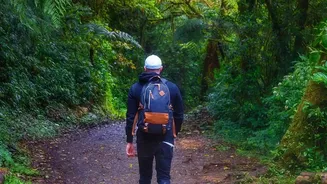
polyester or nylon. Pack two quick-dry t-shirts and a pair of comfortable, lightweight trekking pants. These materials wick moisture away from your skin and dry quickly, even in high humidity, keeping you comfortable. A full-sleeve shirt can also offer protection from insects and thorny bushes.
Rain Protection: Your First Line of Defence
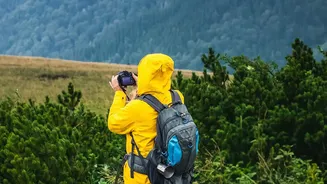
Relying on a 'water-resistant' label is a common mistake. In the persistent rain of the Ghats, you need fully waterproof gear. A good quality poncho is an excellent choice as it covers both you and your backpack. Alternatively, a reliable waterproof rain jacket paired with a separate rain cover for your backpack is essential. This two-part system ensures that your spare clothes, electronics, and food remain completely dry, which is crucial for comfort and safety.
Footwear: Grip is Everything
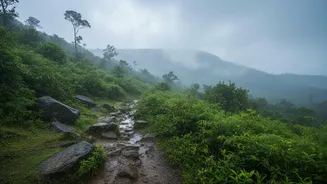
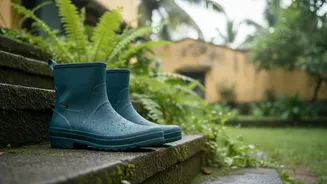
The volcanic basalt rock of the Sahyadris becomes incredibly slippery and mossy when wet. Regular sports shoes or sneakers are dangerous as they lack the necessary grip. Invest in proper trekking shoes with deep grooves and high ankle support. This will provide stability on muddy trails and reduce the risk of ankle twists. It is also vital to pack at least two pairs of synthetic or wool-blend socks. Wet feet can lead to blisters and infections, so having a dry pair to change into can be a huge morale booster.
Essential Gear and Backpack
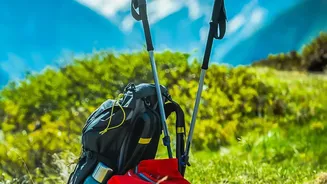
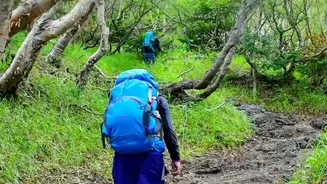
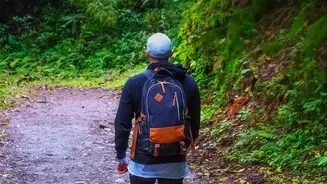
For a day trek, a 20-30 litre backpack is sufficient. Ensure it's comfortable and has compartments to help you stay organised. To waterproof your gear from the inside, line your backpack with a large plastic bag or use smaller dry bags for electronics and clothes. A trekking pole is highly recommended; it provides a third point of contact, improves stability on slippery descents, and helps you gauge the depth of muddy patches. Always carry a basic first-aid kit containing antiseptic wipes, bandages, blister tape, and any personal medications. A headlamp is also a must-have, even on day treks, in case your return is delayed past sunset.
Dealing with Leeches
Leeches are an unavoidable part of the monsoon ecosystem in the Western Ghats. While they are mostly harmless, they can cause panic. The best prevention is physical barriers: wear long pants and tuck them into your high socks. You can also apply a salt solution, sanitiser, or tobacco mixed with oil on your shoes and socks as a deterrent. If a leech latches on, do not pull it off forcefully. Instead, gently slide your fingernail under its mouth to break the suction or sprinkle a bit of salt on it, and it will detach on its own.
Critical Safety Rules
Always check the weather forecast before you leave and be prepared for sudden changes. Inform someone about your trekking plan and expected return time. During the trek, stay hydrated even if you don't feel thirsty, as the humidity can cause dehydration. High-energy snacks like nuts, dates, and chikki are essential to maintain your energy levels. Avoid leaning on trees, which can be home to insects, and always be mindful of where you step to avoid slips, falls, and encounters with snakes. Finally, trek with a group or a certified guide, especially if you are new to the trail.