





The Salty Truth About Our Health
Salt, or sodium chloride, is essential for our bodies to function, helping with nerve signals and fluid balance. However, the problem lies in excess. The World Health Organization (WHO) recommends consuming less than 5 grams of salt per day (about one
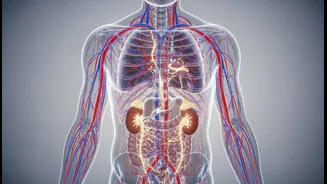
teaspoon). Studies show the average Indian consumes around 8 to 11 grams daily, nearly double the recommended amount. This excessive intake is a major contributor to high blood pressure, which increases the risk of heart disease, stroke, and kidney problems. Many people experience bloating, puffiness, and increased thirst as short-term effects, but the long-term consequences are far more severe.
India's Hidden Sodium Hotspots
The main culprit isn’t the salt added during home cooking. A significant portion of our sodium intake comes from processed and packaged foods where salt is used as a preservative and flavour enhancer. In an Indian context, this includes a surprising range of everyday items. Even foods that don't taste particularly salty, like commercially made bread, buns, and biscuits, can contain significant amounts of hidden sodium. Two slices of white bread can have as much as 380-480 mg of sodium. Because we eat these items frequently, the sodium adds up quickly.
Our Traditional Favourites
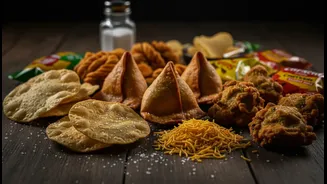
Many beloved staples of the Indian diet are exceptionally high in salt. Pickles (achar) and papads are prime examples. While they add a burst of flavour, salt is the primary preservative. A single tablespoon of mango pickle can contain 350-450 mg of sodium, a significant portion of the daily limit. Similarly, papads, whether roasted or fried, are loaded with sodium. Even our treasured street foods like pani puri and pav bhaji can contain a shocking amount of sodium, often exceeding 1,200-1,800 mg in a single serving. Chutneys, sauces, and spice mixes (masalas) also contribute heavily to our daily sodium load.
The Rise of Packaged Foods
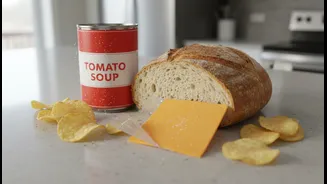
The convenience of modern life has brought an explosion of packaged and ready-to-eat foods, which are among the worst offenders for hidden salt. Instant noodles are a notorious example; a single packet’s seasoning tastemaker can contain well over half the recommended daily sodium intake. Ready-to-eat gravies, instant soups, and savoury snacks like bhujia, sev, and packaged mixtures are all preserved and flavoured with high levels of sodium. These foods are designed for long shelf life and intense flavour, both of which are achieved with salt.
Become a Sodium Detective
The first step to reducing your intake is awareness. Get into the habit of reading the nutrition labels on packaged foods. Look for the sodium content per serving and be mindful of how many servings you actually consume. Terms like monosodium glutamate (MSG), sodium bicarbonate, and sodium nitrate also indicate the presence of sodium compounds. When shopping, actively look for “low sodium” or “no salt added” versions of products like canned beans, sauces, and snacks. Rinsing canned vegetables and beans under water can wash away up to 40% of the added salt.
Flavour Without the Salt
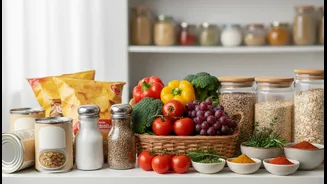
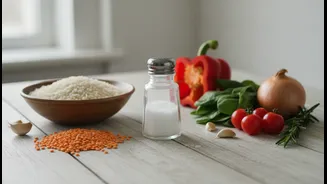
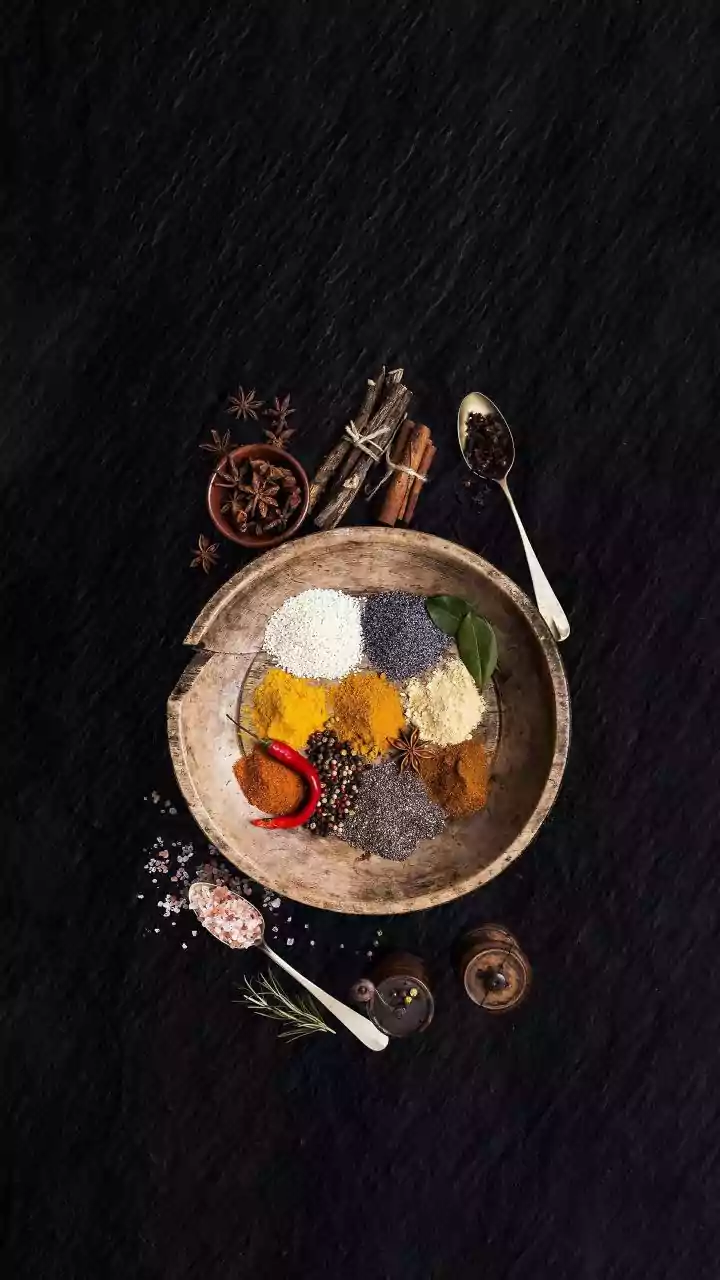
Cutting back on salt doesn't mean your food has to be bland. This is an opportunity to explore a world of other flavours. Use aromatic spices and herbs generously. Ingredients like ginger, garlic, turmeric, cumin, coriander, and black pepper add complexity and depth. A squeeze of lemon or lime juice at the end of cooking can brighten flavours, tricking your taste buds into not missing the salt. Using amchur (dried mango powder), tamarind, or vinegar can provide a tangy kick. Cooking at home more often gives you complete control over how much salt goes into your food.