








The Beloved Summer Staple
Few drinks are as deeply woven into the fabric of Indian life as lassi. From the bustling streets of Amritsar to quiet home kitchens, this yogurt-based beverage is a symbol of hospitality and comfort. Traditionally, it was a simple blend of dahi, water,
and a pinch of salt or sugar, designed to soothe the stomach and rehydrate the body. In its purest form, it’s a powerhouse of probiotics, calcium, and protein. It’s the drink our grandmothers made, the one that promised relief from the scorching sun. This cultural reverence is well-earned. A simple, well-made lassi can be genuinely restorative. The problem isn’t the lassi itself, but what it has become in its modern, commercialised form.
The Hidden Sugar and Calorie Bomb
The tall, steel glass of lassi, often topped with a thick layer of malai and slivered nuts, has become an icon. But let’s break down what’s inside. A typical 400-500 ml glass of sweet or mango lassi can easily contain 4-6 teaspoons of added sugar, if not more. Add to that the natural sugars from the fruit pulp (in mango lassi) and the calories from full-fat yogurt and cream. The total can climb to anywhere between 350 and 500 calories—equivalent to a small meal. Instead of a light, refreshing drink to accompany your lunch, you’re consuming a second, liquid lunch. This heavy load of sugar and fat can lead to a rapid spike in blood sugar, followed by a sluggish crash, leaving you feeling more lethargic and sleepy than refreshed. In the summer heat, this is the opposite of what your body needs.
Why 'Bigger' Isn't Better for Beating the Heat
The logic seems simple: bigger glass, more cooling. But our bodies don't work that way. Digesting a heavy, calorie-dense drink like a jumbo lassi generates internal heat, a process known as diet-induced thermogenesis. So while the first few sips feel cool and blissful, your system has to work overtime to process the rich combination of fat and sugar, ultimately making you feel warmer and more sluggish. Furthermore, while yogurt is hydrating, a beverage overloaded with sugar can have a mildly diuretic effect, interfering with optimal hydration. The very purpose of the drink—to cool and revitalise—is defeated by its excessive portion size and richness. We’ve been conditioned to see value in a brimming glass, but when it comes to lassi, moderation is the key to unlocking its true benefits.
Redefining the 'Smart' Lassi
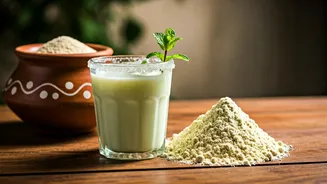
So, what does a smarter lassi look like? It’s not about deprivation, but about balance. A 'smart' portion is closer to 200-250 ml. This size is enough to deliver the probiotic benefits and satisfying taste without overwhelming your digestive system. It’s a drink, not a dessert or a meal in a glass. The next step is to control the sugar. If you’re making it at home, use just a teaspoon of sugar, honey, or jaggery, or let the natural sweetness of a ripe mango suffice. When ordering out, don’t be shy about asking for “no sugar” or “less sugar.” Many vendors are happy to oblige. You can also explore the lighter side of yogurt drinks. A simple namkeen lassi (chaas) with roasted cumin, mint, and black salt is an excellent electrolyte-rich alternative that is genuinely cooling and fantastic for digestion. It provides all the goodness of dahi without the caloric baggage.
Tips for a Mindful Indulgence
Enjoying lassi mindfully this summer is easy. First, think of it as a standalone snack, not a beverage to wash down a heavy meal. If you have a rich lassi, consider it your mid-afternoon snack. Second, make it at home whenever possible. This gives you complete control over the ingredients—you can use low-fat yogurt, skip the cream, and manage the sweetness. Third, when you do indulge in a classic, malai-topped sweet lassi, treat it as a special occasion. Savour it slowly, appreciate its richness, and don't feel obligated to finish a giant portion if you feel full. By shifting our perspective from quantity to quality, we can reclaim lassi as the truly refreshing and healthful summer companion it was always meant to be.