




The High Stakes of a Bibliography
In the world of academic research, a citation is more than just a reference; it is the bedrock of credibility. Every claim, every theory, and every finding must be supported by a trail of verifiable sources. For postgraduate students in India and across
the globe, compiling and verifying this trail has traditionally been a manual, time-consuming, and error-prone process. A single mistake—a mistyped author name, an incorrect year, or a reference to a since-retracted study—can undermine the integrity of an entire paper. The pressure is immense. Researchers spend countless hours sifting through databases, cross-referencing papers, and formatting bibliographies, all while racing against publication deadlines. This tedious work, while essential, diverts valuable time and energy away from the core tasks of analysis and discovery.
Enter the AI Research Assistant
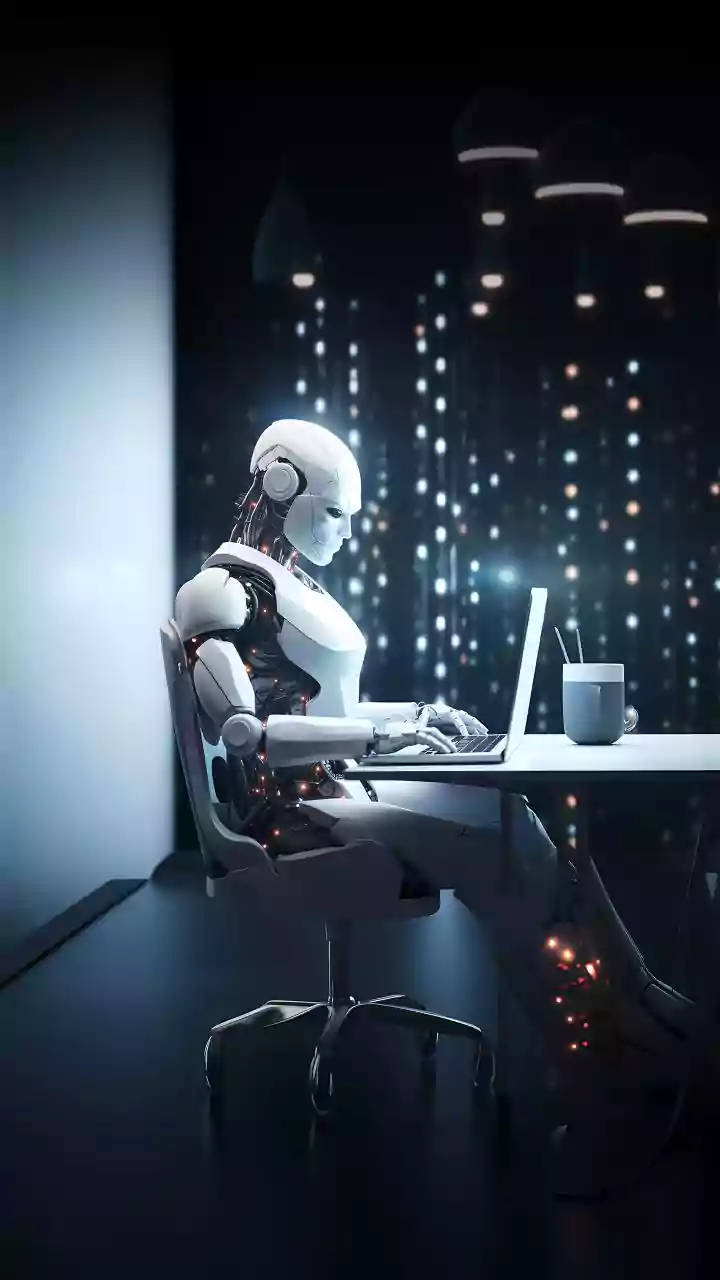
Artificial intelligence is now stepping in to serve as a powerful assistant in this critical process. Specialist AI platforms like Scite, Elicit, and Consensus are designed specifically for the academic workflow. Unlike general-purpose AI like ChatGPT, which can sometimes invent or 'hallucinate' plausible-sounding but non-existent sources, these tools are built on vast, verified databases of scholarly articles. Elicit, for example, helps automate literature reviews by searching millions of papers and extracting key information into structured, easy-to-read tables. It can summarise findings, brainstorm new research questions, and even analyse PDFs that a researcher uploads. This saves students from the overwhelming task of manually reading through hundreds of potentially irrelevant papers.
More Than Just a Fact-Checker
The most powerful of these tools go beyond simple verification. Scite, for instance, introduces the concept of 'Smart Citations'. Instead of just listing where a paper has been cited, it analyses the context of that citation to determine whether the new research supports, contrasts, or simply mentions the original study. This gives a researcher an at-a-glance understanding of how a scientific finding has been received by the academic community. Are its conclusions holding up over time, or are they being challenged? This level of analysis is revolutionary. It can help a postgraduate student quickly identify seminal works, spot trends in their field, and, crucially, avoid unintentionally citing a paper that has been heavily disputed or even retracted.
The Human Element Remains Crucial
Despite their power, these AI tools are not meant to replace the researcher. Experts caution that they are assistants, not authors. While they excel at processing vast amounts of data and identifying patterns, the critical thinking, interpretation, and narrative-building still rest firmly in human hands. The best literature reviews tell a story, weaving together different threads of research into a coherent argument—a task that requires human intellect and creativity. Furthermore, while tools like Scite and Elicit significantly reduce errors by drawing from licensed academic databases, no system is perfect. Researchers are still responsible for the final output and must verify the information presented by the AI, ensuring it aligns with their institution's guidelines on AI usage.
A Boost for Indian Academia
For India's growing community of postgraduate researchers, these tools represent a significant leap forward. They can help level the playing field, especially for non-native English speakers, by improving writing quality and ensuring stylistic consistency. More importantly, by automating the most laborious parts of the research process, AI frees up scholars to focus on what truly matters: generating new knowledge and innovative ideas. As these tools become more accessible, they have the potential to enhance the quality, speed, and integrity of academic publishing. They empower researchers to build on a more reliable foundation of evidence, ensuring their own work is robust and can be trusted by the next generation of scholars who will cite them.