




What is an Ultra-Processed Food?
First, it’s important to know that not all processed food is a problem. Things like canned beans, frozen vegetables, and pasteurized milk are processed to preserve them and are often part of a healthy diet. The term 'ultra-processed food' (UPF) comes
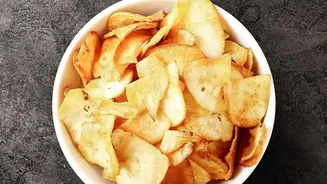
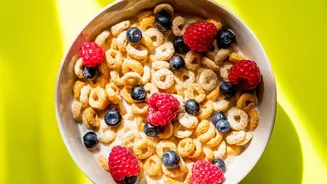
from a food classification system called NOVA, used by scientists to group foods by their level of industrial processing. UPFs are industrial formulations made from substances extracted from foods, like fats, starches, and sugars, along with additives not typically used in home kitchens. Think of ingredients you might not recognise on a label: things like high-fructose corn syrup, hydrogenated oils, flavour enhancers, artificial colours, and emulsifiers. These products, such as sugary drinks, packaged snacks, many breakfast cereals, and ready-to-heat meals, are designed to be cheap, convenient, and hyper-palatable—so tasty you keep eating them.
The Link to Major Health Risks
The scientific consensus is growing stronger: diets high in UPFs are consistently linked to a wide array of health problems. Large-scale reviews of studies involving millions of people have found convincing evidence connecting high UPF consumption to an increased risk of cardiovascular disease-related death, obesity, type 2 diabetes, and high blood pressure. For example, one major study found that people who ate the most UPFs had a significantly higher risk of a heart attack or stroke. The risk appears to be dose-dependent, meaning the more UPFs you eat, the greater the health risk. Some studies even show that for every 10% increase in calories from UPFs, the risk of all-cause mortality rises. The evidence also points to a higher incidence of certain cancers, particularly colorectal cancer, and digestive diseases.
Beyond Sugar and Fat
The health risks aren't just because UPFs can be high in sugar, salt, and unhealthy fats. Researchers point to several other mechanisms. The industrial processing itself changes the physical structure of the food, which can lead to us eating faster and consuming more calories before our body’s fullness signals kick in. Furthermore, UPFs often displace nutrient-dense whole foods from our diet, meaning we miss out on essential fibre, vitamins, and protective compounds. Additives like emulsifiers may disrupt the gut microbiome—the community of healthy bacteria in our intestines—which is linked to chronic inflammation. This systemic inflammation is a known driver of many chronic diseases, including heart disease and some cancers.
Impact on Mental Health
The connection between diet and mental well-being is also becoming clearer, and UPFs appear to play a role. Multiple studies have found that people with higher intakes of ultra-processed foods are more likely to report symptoms of depression and anxiety. A meta-analysis of prospective studies, which follow people over time, showed that high UPF intake was associated with an increased risk of developing depression later on. Researchers believe this could be related to the gut-brain axis; changes in gut bacteria caused by UPF additives might send signals to the brain that affect mood. While more research is needed to prove direct causation, the association is a growing area of concern for public health.
Making Smarter Choices Without Stress
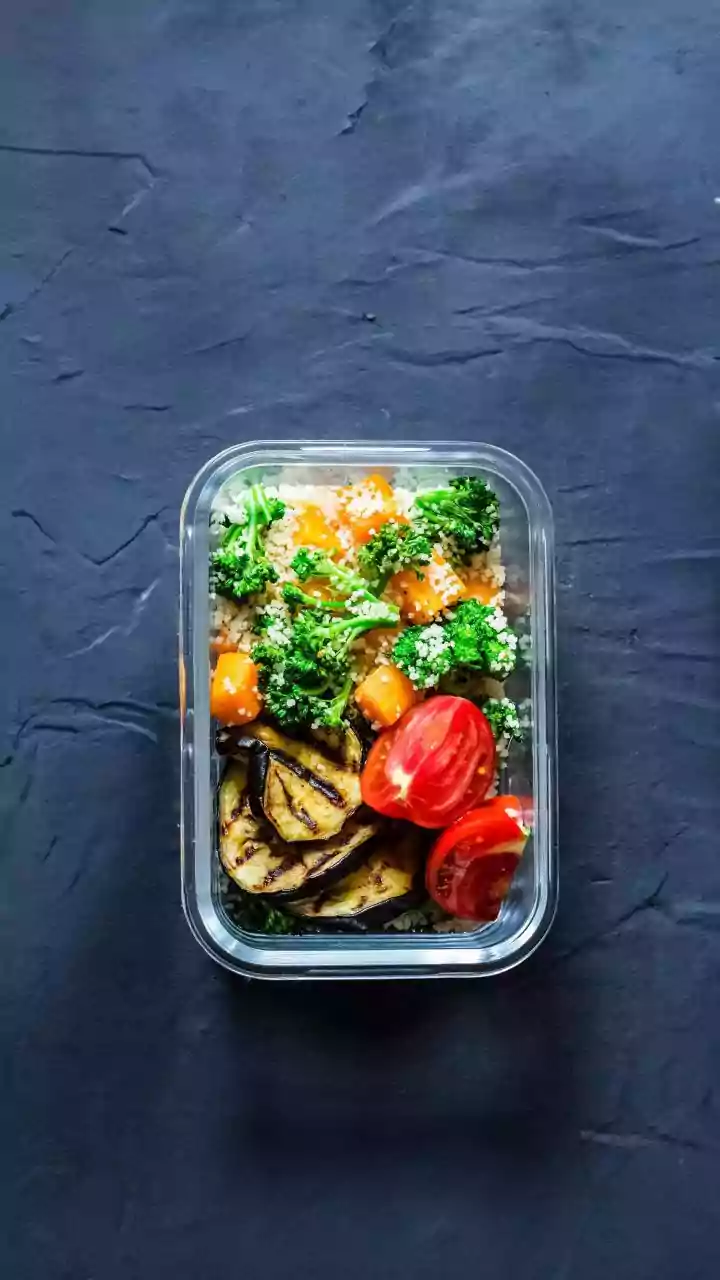
Given that UPFs make up more than half of the average diet in countries like the U.S., cutting them out completely is unrealistic for many. The key isn't perfection but progress. Experts recommend focusing on reducing the overall proportion of these foods in your diet. Start by reading ingredient lists; if you see a long list of unfamiliar chemical names and additives, it's likely a UPF. A simple strategy is to focus on adding more whole or minimally processed foods to your plate—things like fresh or frozen fruits and vegetables, legumes, whole grains, and lean proteins. Swapping a sugary cereal for oatmeal, a packaged cookie for a piece of fruit, or a fizzy drink for water are small changes that can make a big difference over time. The goal is to shift your dietary pattern, not to ban any single food forever.