





The Philosophy: Beyond Just Saving Space
The idea of a single room serving multiple purposes is about more than just managing in a small home. It's a shift towards intentional living, where every piece of furniture and every square foot has a purpose. Gone are the days of the formal dining room that's
used only a few times a year. Modern living, especially in bustling Indian cities, demands flexibility. A living room that hosts movie nights, serves as a home office during the day, and becomes a play area for kids in the afternoon is a sign of an efficient, well-planned home. The goal isn't to create a cluttered space, but a dynamic one that adapts to your daily routines. It’s about creating intentional 'moments' and functions within a single area.
Zone It Out: Creating 'Rooms' Within a Room
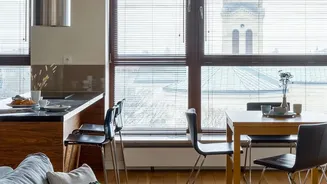
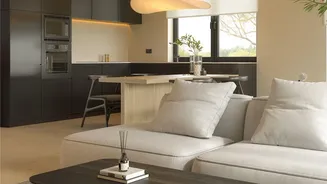
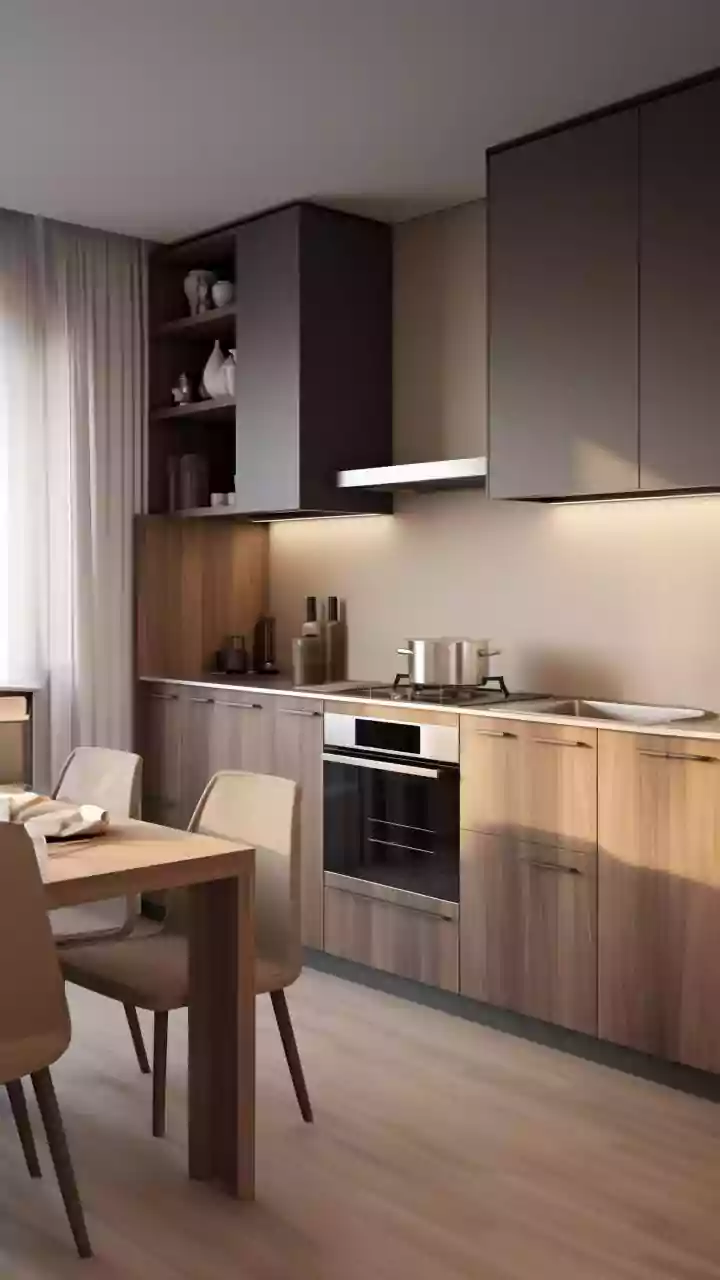
The most effective way to create a multi-purpose room is through zoning—a design technique that uses visual cues to divide a space without building walls. This creates distinct functional areas, making the room feel more organized and intuitive. You can use an area rug to define a living area, separating it from a workspace. The back of a sofa can act as a natural boundary for a small dining nook. Even lighting can play a role; a focused task light can designate a study corner, while warmer, ambient light defines the relaxation zone. This approach maintains the bright, open feel of the room while ensuring every activity has its own dedicated spot, preventing functional and visual confusion.
Furniture That Works Overtime
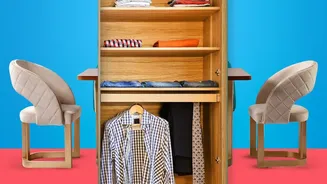
The key to a successful multi-functional space lies in choosing smart, adaptable furniture. This goes far beyond the traditional sofa-bed. Today's market offers a wealth of innovative options. Think modular sofas that can be reconfigured or broken apart into end tables, expandable dining tables that are compact for daily use but grow to accommodate guests, and nesting side tables that can be spread out for extra surface area when needed. Storage ottomans are a classic for a reason, hiding away clutter while providing seating or a footrest. For a truly flexible space, consider furniture on wheels that can be easily moved and repurposed as your needs change throughout the day.
Think Vertically: The Untapped Potential of Your Walls
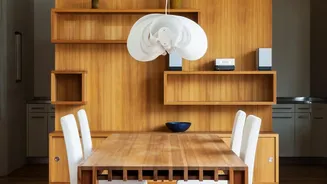
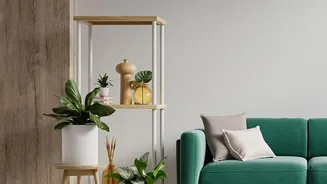
In a small room, the vertical space is often overlooked but holds immense potential. Instead of taking up precious floor space, look up. Tall, narrow bookshelves draw the eye upward and provide ample storage. Wall-mounted desks can be folded away when not in use, instantly transforming a home office back into a living area or bedroom. Consider floating shelves for displaying decor or storing books, which keep the floor clear and create an illusion of spaciousness. Even lofting a bed can be a game-changer in a studio apartment, creating enough room for a full desk or a cozy seating area underneath.
A Cohesive Look: Tying It All Together
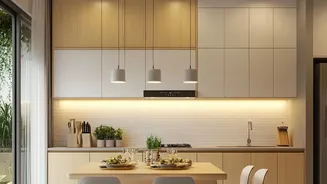
A room that does many things doesn't have to look chaotic. The secret to a stylish multi-purpose room is creating a unified aesthetic. Choose a consistent color palette to tie the different zones together visually. Using similar materials or finishes across furniture pieces can also create a sense of harmony. For instance, if your desk has wooden legs, perhaps your dining chairs can have a similar finish. Good, consistent lighting and clever storage to keep clutter at bay are essential. When each zone feels like part of a larger, intentional design, the room becomes a testament to smart, flexible living rather than a space born of compromise.