






The season is over. After months of intense training and competition, the immediate instinct is to stop. But a smart off-season is about active recovery and nutritional repair, starting with restoring your body's essential electrolyte balance.
The Post-Season Paradox
Finishing
a competitive season brings a wave of relief, but it can also create a paradox for your body and mind. Motivation can dip without the structure of a training schedule, yet your body is in critical need of recovery. Months of pushing your limits deplete energy stores, cause microscopic muscle damage, and disrupt your body’s internal systems. This period isn't about complete rest, but 'active recovery'—engaging in low-intensity activities that maintain fitness without adding stress. It’s the perfect time to address the physical toll of the season and lay a stronger foundation for the next one, and that starts at a cellular level with electrolytes.
Understanding Electrolytes' Crucial Role
Electrolytes are essential minerals—like sodium, potassium, calcium, and magnesium—that carry an electrical charge when dissolved in your body's fluids. They are fundamental to your athletic performance and overall health, regulating nerve signals, muscle contractions, hydration, and blood pressure. During intense exercise, you lose significant amounts of these minerals through sweat. Failing to replenish them can lead to symptoms like muscle cramps, fatigue, dizziness, and even an irregular heartbeat, all of which can hinder your recovery and performance. Sodium is the electrolyte lost in the greatest quantity through sweat, making its replenishment particularly important for active individuals.
Eating to Restore Your Balance
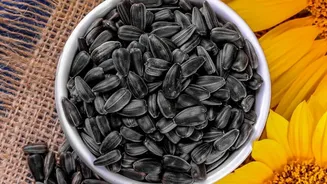
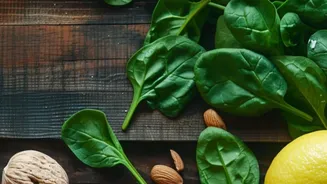
While sports drinks have their place, your first line of defence should be your diet. Many whole foods are packed with the electrolytes your body needs to recover. For a potassium boost, turn to bananas, avocados, sweet potatoes, and oranges. Leafy greens like spinach and kale are excellent sources of both calcium and magnesium. Dairy products like milk and Greek yogurt offer a powerful combination of calcium and potassium, along with protein for muscle repair. For sodium, don't shy away from adding a little salt to your meals or enjoying naturally salty foods like olives and some cheeses in moderation. Nuts and seeds, such as almonds and pumpkin seeds, are another great way to get more magnesium.
Hydration Beyond Plain Water
Staying hydrated is crucial, but after intense sweat loss, water alone might not be enough. This is where electrolyte-rich beverages can play a role. Coconut water is a fantastic natural option, often called 'nature's sports drink'. It's rich in potassium and contains smaller amounts of sodium, magnesium, and calcium. For workouts lasting over an hour or those in extreme heat, a dedicated electrolyte drink can be beneficial for rapidly replacing what was lost. However, for most lighter off-season activities, focusing on electrolyte-rich foods and drinking water to thirst is usually sufficient. The goal is to replenish fluids without over-diluting your body's remaining electrolyte stores.
Smart Off_Season Fitness Habits
Maintaining fitness doesn’t mean continuing your peak_season intensity. The off_season is an ideal time to embrace variety and active recovery. Try cross_training activities like swimming or cycling, which maintain cardiovascular health while giving your high_impact joints a break. This is also a perfect opportunity to focus on strength training to correct any imbalances that developed during the season. Instead of high_intensity intervals, incorporate lower_intensity workouts like easy runs, yoga, or long walks. Setting new, less_demanding goals, like improving flexibility or mastering a new skill, can help keep you motivated without risking burnout or injury.