








The Habit Changing Our Kitchens
The secret isn’t a fancy gadget or a complicated new cooking technique. It’s the timeless practice of meal planning. More specifically, it’s a modern, flexible approach to planning what you’ll eat, making a detailed shopping list based on that plan, and—crucially—sticking
to it. This conscious approach to food management directly counters the main causes of household food waste: impulse buys at the grocery store, over-purchasing fresh produce that spoils, and forgetting what’s hidden in the back of the fridge. While India still faces a significant food waste challenge—with studies from the UN Environment Programme suggesting the average Indian household wastes around 55 kg of food per year—the adoption of strategic meal planning is emerging as a powerful grassroots solution. It’s a shift from reactive cooking to proactive management of our most essential resource.
Why Planning Is So Powerful
The effectiveness of meal planning lies in its simplicity. When you go to the market without a plan, you are susceptible to marketing tactics, special offers on things you don’t need, and the simple temptation of buying whatever looks good. This often leads to a surplus of ingredients, especially perishable ones like vegetables, fruits, and dairy, that can’t be consumed before they spoil. A detailed shopping list, born from a weekly meal plan, acts as your shield. You buy only what you need for the recipes you’ve chosen. This prevents the ‘aspirational shopping’ trap, where we buy healthy ingredients with good intentions but no concrete plan to use them. By assigning every item in your cart a purpose, you dramatically increase the chances it will be eaten rather than thrown away. It transforms your fridge from a chaotic graveyard of forgotten vegetables into an organised, efficient pantry.
Good for Your Wallet, Good for the Planet
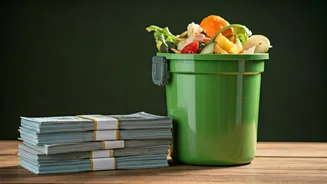
The benefits of this habit extend far beyond a cleaner fridge. The most immediate impact for most families is financial. With food inflation being a persistent concern, cutting down on waste is one of the most effective ways to manage your household budget. When you stop throwing away spoiled food, you’re literally stopping yourself from throwing money in the bin. Families who diligently plan their meals often report saving a significant percentage on their monthly grocery bills. Environmentally, the impact is just as profound. Food waste that ends up in landfills decomposes and releases methane, a potent greenhouse gas that contributes to climate change. Furthermore, wasted food also represents wasted resources, including the water, land, energy, and labour used to produce and transport it. By planning your meals, you reduce your personal carbon footprint and conserve precious resources, making a tangible contribution to environmental sustainability from your own kitchen.
Your Simple Guide to Getting Started
Starting with meal planning doesn't have to be overwhelming. Begin small. 1. **Choose Your Planning Window:** Start by planning for just three or four days instead of a full week. Pick the busiest days where a ready plan will help the most. 2. **Take Inventory:** Before you plan, look inside your fridge, freezer, and pantry. What needs to be used up? Build your first few meals around these existing ingredients. This is a great way to clear out clutter and save money from day one. 3. **Keep it Simple:** You don’t need to cook elaborate new dishes. Plan for your family’s favourites. Think about one-pot meals, simple dals, sabzis, and rotis that are easy to prepare. Don't forget to plan for leftovers—they can make a great lunch for the next day. 4. **Create a Master List:** Write down your shopping list as you plan each meal. Be specific about quantities. If you need two tomatoes, write “2 tomatoes,” not just “tomatoes.” 5. **Shop Smart:** Take your list to the store and commit to buying only what’s on it. Avoid the snack aisles if they aren't part of your plan and resist the temptation of 'buy one, get one free' offers unless you have a clear plan to use both items.