





The Problem with All-or-Nothing
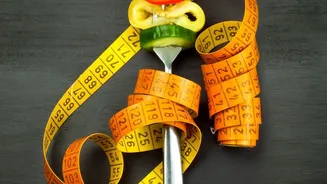
For years, the prevailing advice for navigating festive feasts was to either avoid temptations altogether or surrender to overindulgence and promise to “be good” in the new year. This all-or-nothing approach often backfires. Complete restriction can lead
to feelings of deprivation, making it harder to maintain a positive relationship with food and sometimes resulting in binge eating later. Many people fall into a cycle of indulging, feeling guilty, and then restricting even more, which is neither enjoyable nor sustainable. The new approach acknowledges that festivals are a time for connection and cultural traditions, where food plays a central role. The goal isn't to demonize certain dishes but to find a happy, healthy balance.
What is Portion Awareness?
Portion awareness, or portion control, isn't about eating tiny, unsatisfying meals. It’s about being conscious of how much you’re eating and listening to your body's natural hunger and fullness signals. Instead of banning your favourite gulab jamun or biryani, you enjoy a sensible serving. This practice is a key component of mindful eating, which encourages you to pay full attention to your food—the flavours, textures, and aromas—making the experience more satisfying. Studies have shown that simple visual cues, like using a smaller plate, can naturally help reduce the amount of food you serve yourself and consume. It’s a shift from counting every calorie to being present and intentional with your choices.
Build a Balanced Festive Plate
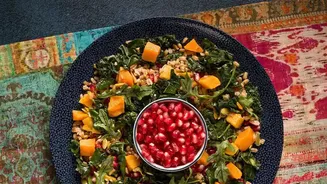
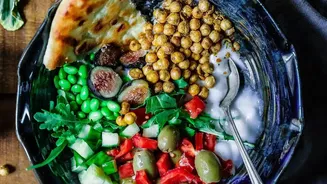
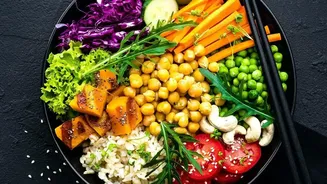
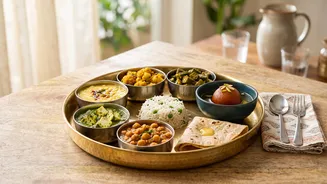
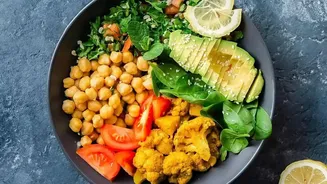
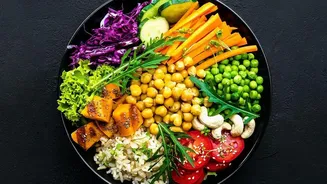
A practical way to implement portion awareness is to be strategic about how you fill your plate, especially at a buffet. Nutrition experts suggest a simple rule: fill half of your plate with vegetables or salad first. These foods are high in fibre and nutrients, helping you feel full and balancing out richer dishes. Dedicate a quarter of your plate to a source of lean protein like dal, grilled fish, or paneer. Use the final quarter for carbohydrates and the festive specialities you're most excited about. This method ensures you get a balanced meal and allows you to enjoy indulgent foods in moderation without them taking over the entire plate.
Savour, Don’t ‘Save’ Calories
A common mistake is skipping meals during the day to “save up” calories for a big evening feast. Dietitians warn that this often leads to arriving at a party overly hungry, making it much harder to make mindful choices and increasing the likelihood of overeating. A better strategy is to stick to your regular meal schedule. Eating balanced meals and healthy snacks like a handful of nuts or some fruit throughout the day keeps your blood sugar stable and your hunger in check. This way, you can approach the festive spread with a clear head, ready to choose the foods you truly love and will savour, rather than eating out of sheer hunger.
Practice Mindful Indulgence
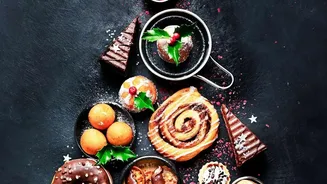
Embracing portion awareness means you don't have to give up your favourite treats. The key is to be selective. Scan the dessert table or buffet and decide which one or two items you genuinely want the most. Instead of mindlessly sampling everything, choose a small portion of what you truly love. Eat it slowly, savouring each bite and appreciating the special occasion. Sharing a dessert with a friend or family member is another great way to enjoy the taste without overdoing it. This mindful approach allows for guilt-free indulgence, making the festive season more about genuine pleasure and less about a battle with food.