





A New Travel Trend Takes Flight
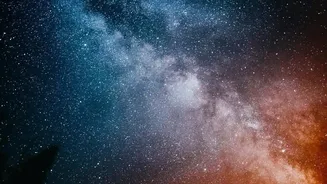
Astrotourism, or travel for the purpose of stargazing, is rapidly gaining popularity across India. Frustrated by the light-polluted skies of urban centres, a new generation of travellers is seeking out unique experiences that offer a connection to the natural
world. This desire for digital detoxes and authentic adventures has made escaping to remote locations to witness the Milky Way a compelling travel goal. What was once a niche hobby for amateur astronomers is now a mainstream travel choice, with dedicated companies curating everything from overnight camps to elaborate astrophotography workshops. The boom is also potentially fuelled by India's recent successes in space exploration, which has sparked public curiosity about the cosmos. These travellers aren't just looking for pretty views; they're seeking educational and transformative experiences under some of the darkest skies in the world.
Your Digital Gateway to the Stars
The key to this growing trend is accessibility. Specialised astrotourism platforms and companies have emerged, acting as one-stop shops for cosmic adventures. Companies like Starscapes, Astroport, Skygaze India, and Stellar Adventures have created a new ecosystem for booking celestial journeys. These platforms handle the complex logistics that once made such trips challenging. They identify locations with minimal light pollution, arrange transportation, provide accommodation ranging from camps to resorts, and supply high-powered telescopes and binoculars. Many are run by passionate astronomers and even registered ISRO space tutors, ensuring the experience is not just scenic but also scientific and educational. Their websites and social media channels allow users to browse different experiences, from evening stargazing sessions to multi-day 'astro camps', and book their entire trip online.
What to Expect From a Stargazing Trip
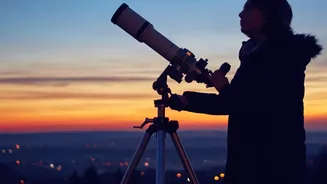
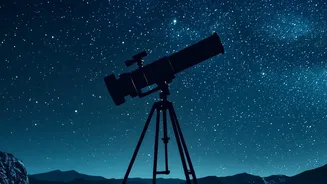
A typical trip booked through one of these platforms is an immersive experience. Upon arrival at a dark-sky location—often a remote sanctuary or a dedicated observatory—guests are guided by experts. These guides explain how to identify constellations, planets, and other celestial objects visible that night. The main event is the hands-on session with professional telescopes, allowing visitors to see lunar craters, the rings of Saturn, or distant nebulae with stunning clarity. Many platforms also offer astrophotography workshops where you can learn to capture breathtaking images of the night sky. The experience often includes storytelling around a bonfire, talks on space science, and sometimes even daytime activities like solar observation through special filters. The goal is to make astronomy engaging and accessible, even for absolute beginners.
India’s Premier Dark-Sky Destinations
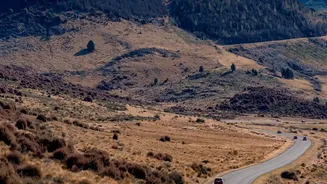
These platforms curate trips to some of India's most pristine stargazing locations. Hanle in Ladakh, designated as India's first Dark Sky Reserve, is a prime destination, offering exceptionally clear skies at high altitude. Spiti Valley in Himachal Pradesh is another favourite, with remote villages like Kaza and Kibber providing an ideal setting. For those in other parts of the country, the Rann of Kutch in Gujarat offers a surreal landscape of white salt desert under a canopy of stars. In the south, Coorg in Karnataka provides a tranquil escape in the Western Ghats with clear skies. Platforms like Starscapes have established observatories in several of these locations, including Kausani, Mukteshwar, and near Corbett National Park, making guided experiences more readily available. These sanctuaries are chosen for their low light pollution, high altitude, and clear weather patterns, ensuring the best possible views.
Booking Your Cosmic Adventure
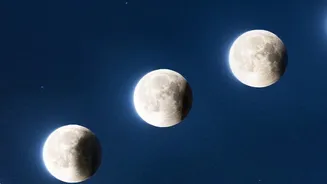
Booking a trip is straightforward. Most platforms allow you to book directly through their websites, where they list upcoming events like meteor shower viewings, workshops, or 'astro parties'. Prices can range from a modest fee for a single evening show to more comprehensive packages for multi-day camps that include food, lodging, and transport. For first-timers, a guided session at an established observatory in places like Kausani or Coorg is a great starting point. When booking, consider the time of year and the lunar cycle; a new moon night will offer the darkest skies and the best visibility. These platforms have successfully democratised astronomy, transforming a once-specialised hobby into an accessible and unforgettable travel experience for any young explorer with a sense of wonder.