

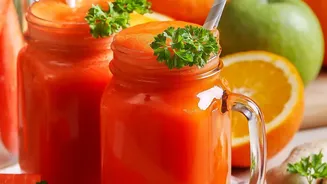
The Allure of the Glass
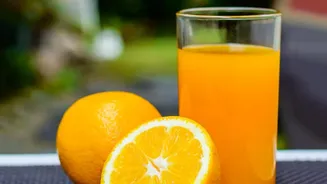
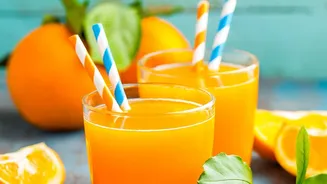
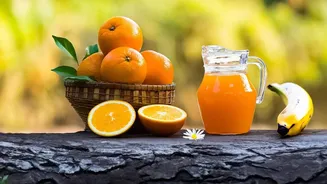
In our fast-paced lives, juicing offers a convenient way to meet our daily fruit intake. It is easier and quicker to drink the juice of three oranges than it is to peel and eat them. This convenience, combined with the perception of a concentrated dose
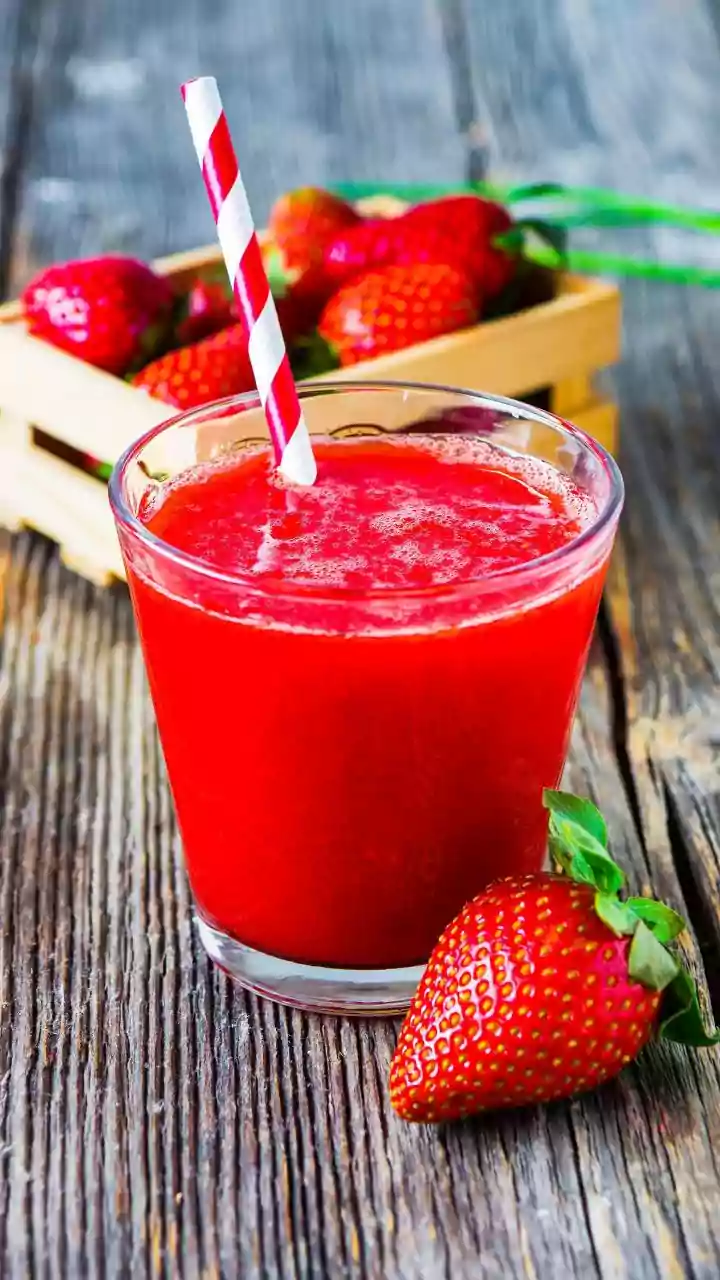
of vitamins and minerals, has made juicing a popular wellness trend. Freshly made juices, especially cold-pressed varieties, are often marketed as a quick nutrient boost, retaining many of the vitamins and enzymes found in whole produce. For those who don't enjoy eating whole fruits, a glass of juice can seem like a perfect, tasty alternative. However, this convenience comes at a nutritional cost that isn't immediately obvious.
Understanding Dietary Fibre
To understand what is lost in juicing, we first need to appreciate dietary fibre. Fibre is a type of carbohydrate that our bodies cannot digest. It comes in two main forms, both crucial for health: soluble and insoluble fibre. Soluble fibre dissolves in water to form a gel-like substance in your digestive tract. This slows digestion, helps control blood sugar levels, and can lower cholesterol. Insoluble fibre does not dissolve in water. Instead, it adds bulk to stool, promoting regular bowel movements and preventing constipation. Fruits are a fantastic source of both types of fibre, which work together to support gut health, create a feeling of fullness, and regulate the body's use of sugar.
What Happens During Juicing?
The process of juicing, whether with a high-speed centrifugal juicer or a slow hydraulic press, is designed to separate the liquid from the solid parts of the fruit. The liquid is the juice, and the solid material left behind is the pulp and skin. This is where the problem lies: most of the fruit's beneficial insoluble fibre is contained within that pulp. While the juice retains some soluble fibre, the vast majority of the structural fibre that provides bulk and slows down your digestion is discarded. As a result, you get a drink that is rich in vitamins and natural sugars, but stripped of the component that helps your body manage that sugar effectively.
The Impact on Blood Sugar
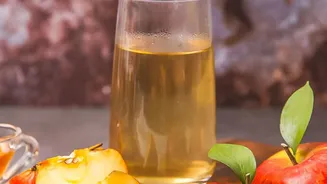
This loss of fibre has a direct and significant effect on your blood sugar. When you eat a whole apple, the fibre in its flesh acts as a physical barrier, slowing down the absorption of the fruit's natural sugars (fructose). This leads to a gradual, steady rise in blood glucose. However, when you drink apple juice, that sugar is 'free' and no longer bound within a fibrous structure. It hits your bloodstream much faster, causing a rapid spike in both blood sugar and insulin, the hormone that manages sugar. Over time, frequent consumption of fruit juice has been linked to an increased risk of type 2 diabetes, whereas consumption of whole fruits is associated with a lower risk.
The Satiety Factor: Feeling Full
Fibre also plays a major role in satiety, the feeling of fullness and satisfaction after a meal. Chewing whole fruit sends signals to your brain that you are eating, while the bulk from fibre physically fills your stomach. This combination helps you feel full and can prevent overeating. Juice, on the other hand, is a liquid calorie source that provides little to no feeling of fullness. You can easily consume the sugar and calories of several fruits in a single glass of juice without feeling satisfied, which can lead to a higher overall calorie intake and potential weight gain.
The Verdict: Whole Fruit Is the Winner
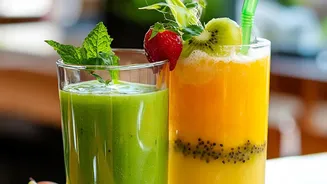
While 100% fruit juice is not the same as a sugar-sweetened beverage and does offer vitamins and minerals, it cannot be considered a nutritional equivalent to whole fruit. The benefits of eating the entire fruit—complete with its fibre—far outweigh the convenience of juice. The fibre is essential for digestive health, blood sugar control, and feeling full. For daily nutrition, the clear winner is the whole fruit in its natural, complete form. Think of juice as an occasional treat rather than a daily health staple. If you do enjoy juice, try to make it at home and consider blending (which creates a smoothie) instead of juicing, as blending retains the fruit's fibrous parts.