
Choosing Your Winter Wonderland
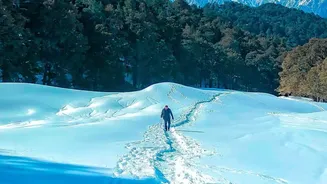
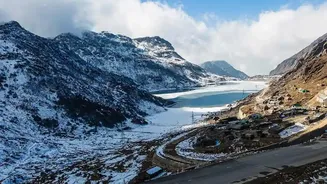
India is blessed with Himalayan destinations that transform into magical snowy landscapes from December to February. For world-class skiing and the famous Gulmarg Gondola, head to Gulmarg in Jammu and Kashmir. Manali in Himachal Pradesh is another popular
choice, offering stunning views and adventure sports in the nearby Solang Valley. For those seeking quieter charm, Auli in Uttarakhand boasts pristine ski slopes and panoramic views of peaks like Nanda Devi. Other beloved spots include Shimla in Himachal Pradesh and Sonamarg in Kashmir. When choosing, consider accessibility. While major routes are maintained, high-altitude passes like the Manali-Leh highway close for winter, so always check local road conditions before you book.
Packing for the Peaks: The Art of Layering
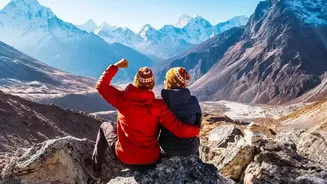
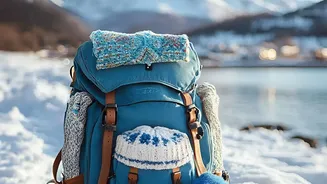
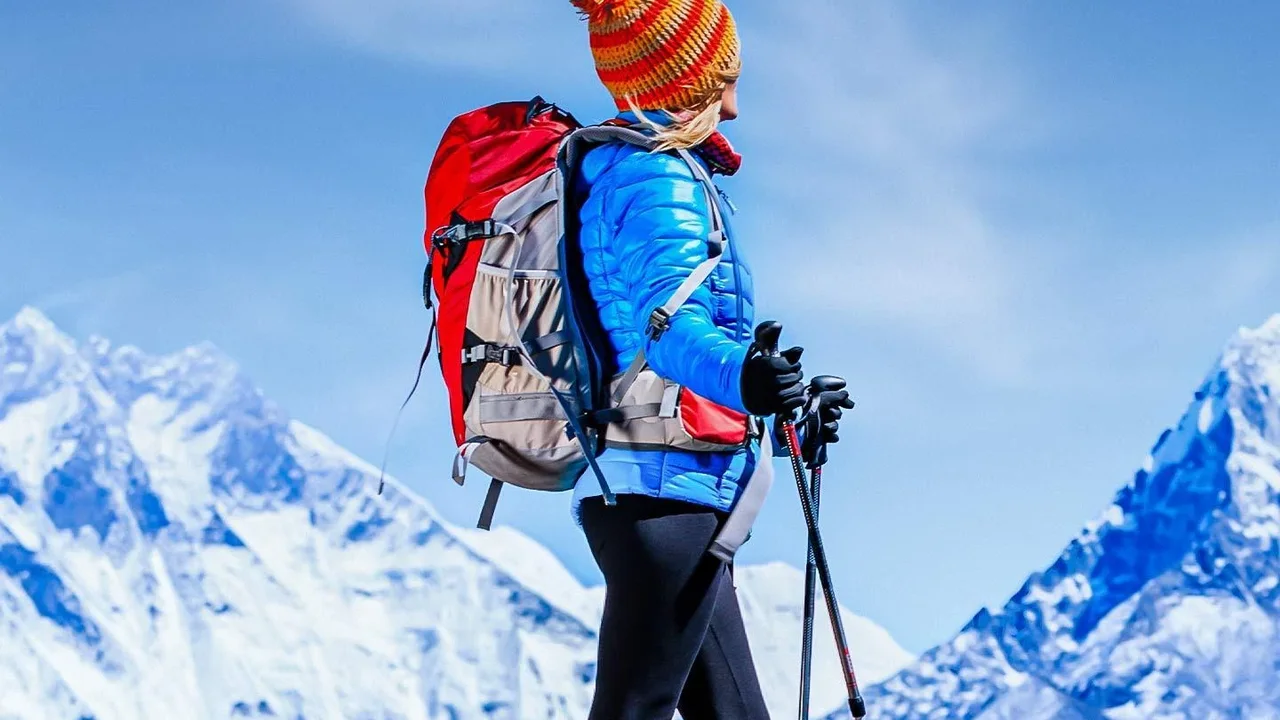
The key to staying warm in sub-zero temperatures is layering. Instead of one bulky jacket, pack multiple layers you can add or remove as needed. Start with a thermal base layer (top and bottom) to wick away sweat. Add a fleece or wool sweater as your mid-layer for insulation. Finally, a waterproof and windproof outer jacket is crucial to protect you from the elements. Don't forget insulated, waterproof trousers, several pairs of woollen socks, and waterproof trekking boots with good grip. Accessories are non-negotiable: a warm woollen cap, a muffler or neck gaiter, and waterproof gloves are essential to prevent heat loss.
Your Mountain-Ready Car Checklist
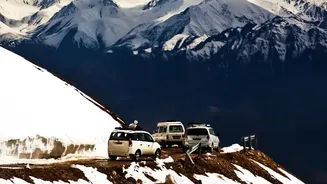
If you're driving, your vehicle needs to be as prepared as you are. Before you leave, get a full maintenance check, paying special attention to the battery, which can lose power in the cold. Ensure your antifreeze levels are correct. Tyres are your most critical safety feature. All-season tyres might suffice for mild conditions, but for heavy snow, dedicated winter tyres offer superior grip. Check your tyre pressure, as it drops in the cold. It is also wise to carry snow chains and practice fitting them beforehand. Finally, make sure your windshield wipers are in good condition and your washer fluid is a winter-grade formula that won't freeze.
Staying Safe: Altitude and Road Awareness
High altitudes present unique challenges. Acute Mountain Sickness (AMS) can affect anyone travelling above 2,500 metres (about 8,200 feet), regardless of fitness level. Symptoms include headache, dizziness, and nausea. The best prevention is acclimatisation—ascend slowly and allow your body to adjust. Staying hydrated by drinking three to four litres of water daily is crucial. On the road, mountain driving requires immense caution. Icy patches, especially on bends and in shaded areas, can be treacherous. Always use your horn on blind curves, keep your headlights on, and never overtake where you can't see oncoming traffic. Avoid night driving, as visibility drops significantly and roads can freeze over.
The Essential Adventure Kit
Beyond clothes and car prep, a few extra items can make a huge difference. The bright sun reflecting off snow can be intense, so polarized sunglasses and high-SPF sunscreen are vital to protect your eyes and skin. Cold weather drains batteries quickly, so carry a fully charged power bank for your phone. A basic first-aid kit with remedies for headaches, indigestion, and any personal medications is a must. Pack some energy bars and snacks for moments when you need a quick fuel boost. Finally, always carry some cash, as ATMs in remote mountain towns can be unreliable.