

The Great Monsoon Migration
There's a quiet but growing trend among India's urban professionals. Tired of the constant digital connectivity, workplace pressures, and the general fatigue of city living, they are looking for escapes that do more than just entertain—they want to restore.
This search for genuine rejuvenation is leading them to Araku Valley, especially during the monsoon season. Traditionally considered an off-peak period, the months from July to September are now seeing a notable increase in visitors from cities like Hyderabad, Bengaluru, and Visakhapatnam. Local homestay owners and travel operators report a surge in inquiries from people specifically asking for wellness-oriented, peaceful stays that help them disconnect and recharge.
Why Araku Valley in the Rain?
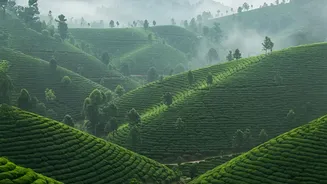
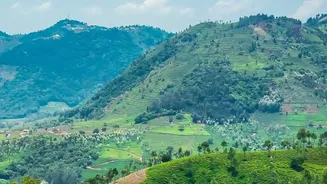
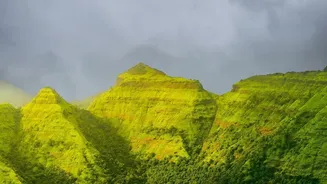
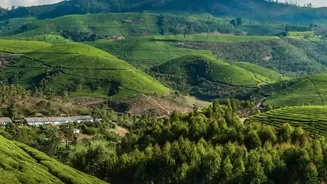
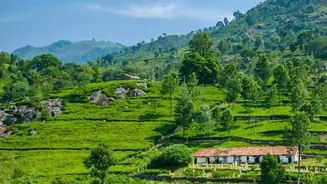
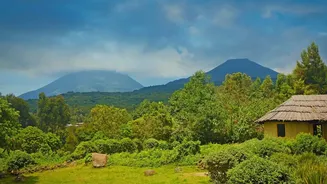
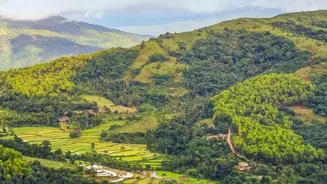
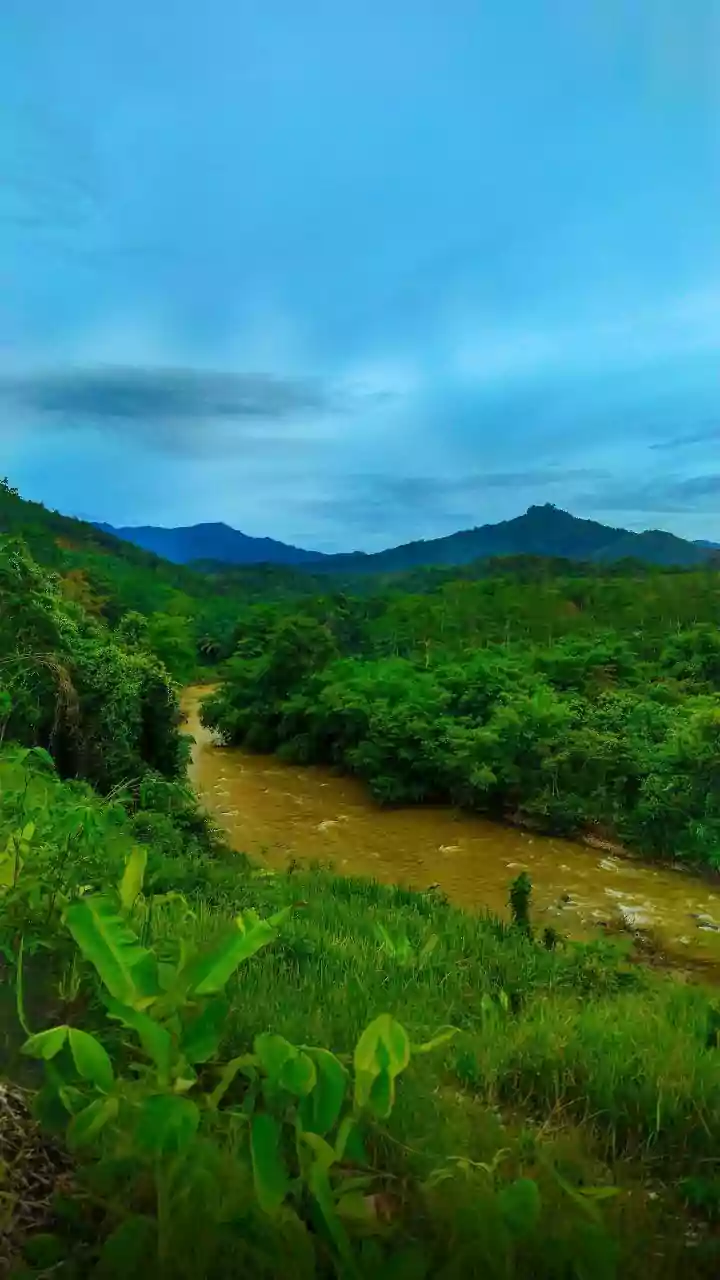
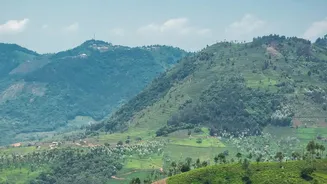
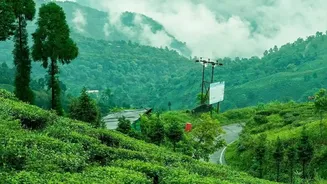
The appeal of Araku during the monsoon is multi-faceted. The rains transform the Eastern Ghats into a spectacle of vibrant green, a stark contrast to the concrete grey of urban centres. Waterfalls like Katiki and Chaparai, which are modest trickles in drier months, become powerful, thundering cascades. The air, washed clean of dust, is fresh and invigorating. For travellers seeking a sensory reset, the constant sound of rain, the mist-covered hills, and the intense green of the coffee plantations create a deeply therapeutic atmosphere. It offers a level of solitude and calm that is hard to find in more commercialised hill stations, particularly during what was once the 'off-season'.
The Rise of the 'Detox' Homestay
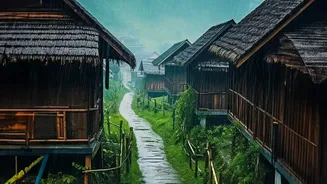
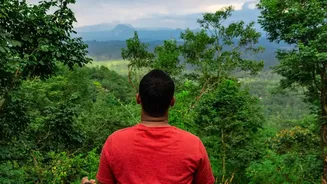
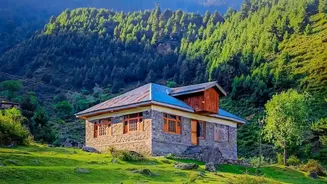
This isn't a typical vacation. The 'detox' that travelers are seeking in Araku is less about strict diets and more about a holistic reset. It's a digital detox, where guests are encouraged to put away their devices and engage with the natural world. It’s a mental detox, away from the noise and demands of professional life. Homestays are proving to be the perfect setting for this. Unlike formal hotels, they offer a personal, authentic experience. Many are now curating specific packages that include guided nature treks, introductions to local tribal cuisine like the famous bamboo chicken, and sessions on the area's renowned coffee. The focus is on slow, mindful experiences rather than a packed itinerary of sightseeing.
An Authentic, Grounded Experience
What makes the homestay model in Araku so compelling for the burnt-out urbanite is its connection to the local way of life. Guests aren't just observing the culture; they are briefly part of it. Stays often involve interacting with the host families, learning about the indigenous flora and fauna, and understanding the rhythms of a life lived in close harmony with nature. This shift from passive tourism to active, immersive travel provides a sense of grounding that many feel is missing from their hyper-connected lives. It's about finding authenticity in the simple things: a home-cooked meal, a walk through a rain-drenched forest, or a quiet morning spent watching the mist roll over the hills. This trend also represents a boost for local, sustainable tourism, empowering small-scale entrepreneurs and ensuring that the economic benefits of travel are distributed within the community.