

Patra from Gujarat and Maharashtra
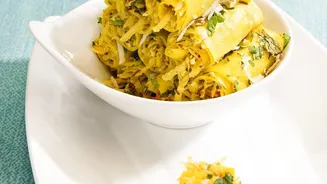
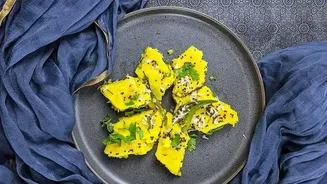
A beloved snack from Western India, Patra, also known as Alu Vadi, is a marvel of texture and flavour. It is made using colocasia (arbi) leaves, which are layered with a spicy, sweet, and tangy batter made from gram flour (besan), tamarind, jaggery, and spices.
The magic of Patra lies in its primary cooking method: steaming. The layered leaves are rolled tightly and steamed until cooked through. This process locks in the flavours without a single drop of frying oil. Once steamed, the rolls are cooled and sliced into pinwheels. While some enjoy a final tempering in a teaspoon of oil with mustard and sesame seeds for a little crunch, the steamed slices are delicious and completely oil-free on their own, offering a perfect guilt-free bite for a rainy evening.
Siddu from Himachal Pradesh
Hailing from the picturesque valleys of Himachal Pradesh, Siddu is a warm, yeasted bread bun that is the ultimate comfort food for a cool, rainy day. Traditionally made from wheat flour, the dough is fermented for several hours, which gives the final product a wonderfully soft and slightly sour taste. These buns are then filled with a variety of savoury stuffings. Common fillings include a paste of walnuts and poppy seeds, or even spiced, crumbled paneer. The prepared Siddu are not baked or fried but gently steamed, making them incredibly light and healthy. Served hot with a dollop of pure ghee and a side of mint chutney, this hearty snack is a wholesome and warming treat, embodying the culinary spirit of the mountains.
Pidi Kozhukattai from Tamil Nadu
From the south comes this simple yet profoundly satisfying snack. Pidi Kozhukattai are savoury rice dumplings that are both healthy and incredibly flavourful. Made from coarse rice flour or cream of rice, the dough is mixed with grated coconut and a flavourful tempering of mustard seeds, urad dal, and chillies sautéed in minimal oil. The name 'Pidi' refers to the way the dumplings are shaped by pressing the dough within one's fist. These hand-shaped dumplings are then steamed, often in an idli steamer, until they are soft, fluffy, and cooked through. They require very little oil, primarily for the initial tempering, making them a fantastic low-calorie option. Served hot, often with a chutney or podi, they are a light and comforting snack for any time of day, but especially when it's pouring outside.
Bhutte ka Kees from Madhya Pradesh
A specialty from the streets of Indore, Bhutte ka Kees is a creamy, savoury corn preparation that is perfect for the monsoon when fresh corn is abundant. The name literally means 'grated corn'. Fresh corn cobs are grated and then slow-cooked with milk, green chillies, ginger, and spices until the mixture thickens into a consistency similar to a porridge or upma. The cooking process involves sautéing in just a teaspoon or two of ghee or oil, making it a very low-fat dish. The natural sweetness of the corn blends beautifully with the mild spices, and the dish is typically finished with a garnish of fresh coriander, grated coconut, and a squeeze of lemon juice for a tangy kick. It's a warm, soulful snack that is both filling and nutritious.
Tekeli Pitha from Assam
From the North-Eastern state of Assam, Tekeli Pitha is a delicate steamed rice cake that is a testament to the simplicity and elegance of regional cuisine. The name comes from 'tekeli', the Assamese word for an earthen pitcher or kettle on which the pitha is traditionally steamed. It is made with freshly ground rice flour, which is lightly dampened to a crumbly texture rather than a dough. This is then layered in a small mould or on a cloth over the kettle's mouth with a filling of sweet grated coconut and jaggery, or sometimes a savoury filling. The steam gently cooks the rice flour, resulting in a soft, fluffy cake that is entirely oil-free. This delightful snack showcases how just a few simple ingredients can create something truly special, perfect for enjoying with a cup of tea on a wet afternoon.