





The festival of lights, Diwali, bathes all of India in a familiar, joyous glow. Yet, this single festival wears many beautifully distinct faces. From one city to the next, the spirit of Diwali is expressed in unique and fascinating ways.
Ayodhya: A Homecoming of Epic Proportions
Nowhere is the
mythological heart of Diwali felt more profoundly than in Ayodhya, the birthplace of Lord Ram. The celebration here is not just a festival but a deeply spiritual reenactment of Ram's return after 14 years in exile. The entire city transforms, with millions of earthen diyas illuminating the ghats of the Sarayu River, especially at Ram Ki Paidi. The atmosphere is less about commercial fanfare and more about devotion. Temples hold special prayers, processions reenact scenes from the Ramayana, and the air hums with devotional songs, creating an experience that connects directly to the festival's ancient origins. It's a celebration that feels both grand in scale and deeply personal in its spiritual connection for devotees.
Kolkata: The Divine Feminine Glows
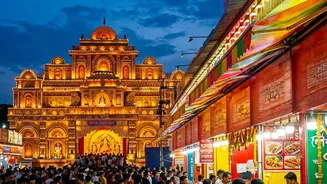
While much of India worships Goddess Lakshmi on Diwali, Kolkata and West Bengal turn their devotion to Goddess Kali. Here, the festival is known as Kali Puja, and it coincides with the new moon night of Diwali. The celebration is intense and artistic. Elaborate pandals, similar to those seen during Durga Puja, house magnificent and often fierce idols of the goddess. Worship begins late at night, often around midnight, and is accompanied by the sounds of dhak drums and devotional songs known as Shyama Sangeet. Instead of just quiet family pujas, it is a community-focused event where the divine feminine energy, Shakti, is celebrated with vigour, offering a powerful contrast to other cities' festivities.
Varanasi: The Diwali of the Gods
In the holy city of Varanasi, the main event happens a fortnight after Diwali. Known as Dev Deepavali or the 'Diwali of the Gods', it is celebrated on Kartik Purnima. Legend holds that on this day, the gods themselves descend to Earth to bathe in the sacred Ganges. To welcome them, every one of the city's 84 ghats is lit with millions of diyas, creating an unbroken chain of light along the riverfront. The spectacle is breathtaking, best viewed from a boat on the river. It's a community-driven spiritual event, culminating in a grand Ganga Aarti at Dashashwamedh Ghat, featuring synchronized rituals by priests. This celebration is less about household festivities and more of a collective, spiritual offering to the river and the divine.
Jaipur: A Royal Spectacle of Light
The Pink City transforms into a city of gold during Diwali. Jaipur is famous for the sheer scale and artistry of its light displays. The celebration here has a competitive edge, as the government sponsors a competition for the best-illuminated market in the Walled City. This inspires traders in areas like Johari Bazaar and Bapu Bazaar to create elaborate, themed light facades that are destinations in themselves. Heritage buildings like Hawa Mahal and the City Palace are also spectacularly lit, adding to the royal grandeur. For a panoramic view of the sparkling city, locals and tourists alike head to Nahargarh Fort after sunset. The focus is on public spectacle and community pride, turning the entire city into a dazzling art installation.
Mumbai: A Fusion of Glamour and Tradition
Mumbai's Diwali is a reflection of the city itself—a high-energy blend of tradition, community, and modern glamour. The skyline sparkles with fireworks, best viewed from the iconic Marine Drive, famously known as the Queen's Necklace. Families and friends gather at Juhu Beach to light sky lanterns and enjoy street food. Meanwhile, the city's markets, from Crawford Market to the dedicated 'Kandil Galli' (Lantern Lane), are abuzz with shoppers. The festival also has a glitzy side, with high-profile Diwali parties hosted by Bollywood celebrities becoming a major feature. From suburban neighbourhood celebrations to chic rooftop bar events, Mumbai celebrates with a signature metropolitan buzz that merges private worship with public revelry.