






More Than Just Another Partner
To understand this partnership, you first have to understand the Artemis Accords. Think of them as a modern rulebook for space, a U.S.-led framework for peaceful and cooperative lunar exploration. When India signed on in 2023, it was more than a symbolic
gesture; it was a major strategic alignment. For NASA, bringing a democratic nation with a proven space program into the fold strengthens the Accords as the international standard, especially as nations like China and Russia pursue their own lunar plans separately. The recent invitation for the Indian Space Research Organisation (ISRO) to formally join the Moon Base program is the logical next step, cementing a collaboration that has been growing for years through joint projects like the NISAR Earth-observing satellite.
Mastery of the Lunar South Pole
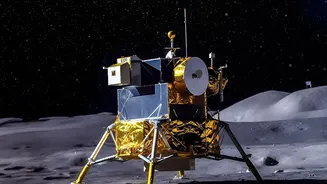
Not all lunar real estate is created equal. The Moon's south pole is the prize, believed to hold vast reserves of water ice in its permanently shadowed craters. This ice is a game-changer—it can provide drinking water, breathable air, and even be converted into rocket fuel, making a sustainable lunar outpost possible. While NASA has its sights set on this region, ISRO is the only agency to have actually soft-landed a craft there with its historic Chandrayaan-3 mission in 2023. That success gave ISRO invaluable, real-world data and operational experience in the exact region where NASA wants to build its base. This isn't just theoretical knowledge; it's a proven capability that makes ISRO an indispensable partner for navigating one of the most challenging and valuable environments in the solar system.
Frugal Innovation Meets Deep Pockets
ISRO has a global reputation for what's often called "frugal innovation." It consistently executes complex, high-stakes missions at a fraction of the cost of its international counterparts. The Chandrayaan-3 mission, for example, was accomplished on a remarkably modest budget, showcasing an ability to do more with less. This approach is incredibly attractive to NASA. Building and sustaining a moon base is a monumental and expensive undertaking. By partnering with ISRO, NASA can integrate this cost-effective mindset and technology into the broader Artemis program. The collaboration allows for a blending of NASA's deep resources and decades of experience with ISRO's lean, agile, and innovative methods. This hybrid approach could create a more sustainable and economically viable model for long-term human settlement on the Moon.
A Shared Vision for the Future
This partnership isn't just about NASA's goals. India has its own ambitious space roadmap, including sending an astronaut to the Moon by 2040 and establishing its own space station. Collaborating on the Artemis moon base gives ISRO access to advanced technologies in life-support systems, robotics, and deep-space operations that can fast-track its own programs. For the U.S., the alliance serves a geopolitical purpose by reinforcing ties with a key partner in the Indo-Pacific. In the backdrop of a new space race, building a coalition of like-minded nations for lunar exploration is as much about diplomacy as it is about science. This partnership ensures that two of the world's largest democracies are aligned in shaping the future of humanity's presence beyond Earth.