






Understanding Fragrance Load
The single most important factor in scenting your candle is the 'fragrance load'. This is the percentage of fragrance oil relative to the weight of your wax. Adding too little results in a weak scent, while adding too much can be dangerous. If the wax cannot
bind with the excess oil, it can 'sweat' or pool on the surface, creating a fire hazard. Most waxes have a maximum fragrance load, typically between 6% and 12%. For beginners, a safe and effective starting point is 6% to 8% fragrance oil by weight. Always calculate by weight, not volume, for accuracy. The simple formula is: (Weight of Wax) x (Fragrance Load %) = (Weight of Fragrance Oil).
Choosing Your Wax Wisely
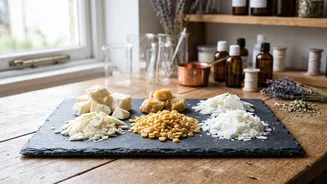
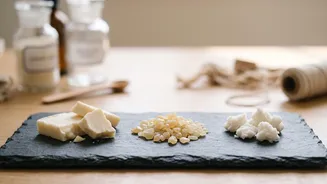
Not all waxes are created equal when it comes to holding and throwing scent. The type of wax you choose has a significant impact on how well your candle performs. Paraffin wax is known for its excellent ability to release fragrance, providing a strong 'hot throw' (the scent when burning). However, it is a petroleum byproduct, which some makers prefer to avoid. Soy wax is a popular natural and renewable option, but it can release fragrance more subtly and often requires a longer curing time for the scent to develop. Coconut wax and coconut-soy blends are praised for their clean burn and strong scent throw, offering a great alternative to paraffin. Beeswax has a lovely natural honey scent but doesn't hold added fragrances as well, making it better for unscented or very lightly scented candles.
Fragrance Oils vs. Essential Oils
While 'essential oil candle' sounds wonderfully natural, most professional candle makers prefer fragrance oils, and for good reason. Fragrance oils are specifically engineered for stability in candles. They are designed to bind with wax and withstand the heat of the flame, resulting in a consistent and strong scent throw. Essential oils, on the other hand, are highly volatile and can break down or evaporate when heated, leading to a weak or inconsistent scent. For safety and performance, look for high-quality, phthalate-free fragrance oils that are compliant with International Fragrance Association (IFRA) standards. These are tested for use in candles and provide a reliable outcome.
The Importance of Temperature
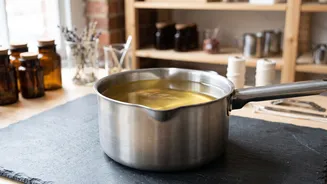
Timing and temperature are critical when adding your fragrance. If you add the oil when the wax is too cool, it won't bind properly, resulting in a weak scent and potential separation. If the wax is too hot, it can burn off the delicate top notes of your fragrance before it even has a chance to mix. A general rule of thumb for many waxes, including soy, is to add the fragrance oil when the wax is around 85°C (185°F). Stir gently but thoroughly for at least two minutes to ensure the oil is fully incorporated before you pour. This ensures an even scent distribution throughout the entire candle.
Patience is a Virtue: Curing Your Candles
Perhaps the most overlooked step is allowing your candles to cure. Curing is the time required for the fragrance oil to fully bind and integrate with the wax molecules. Lighting a candle too soon will almost always result in a disappointing scent throw. Although it's tempting to test your creation right away, patience pays off. Most natural waxes like soy and coconut blends benefit from a curing period of one to two weeks. Paraffin wax often requires less time, around one week. During this time, keep your candles in a cool, dark place with their lids on to allow the fragrance to mature and stabilise for the best possible performance.