



The Decline of the Fly-and-Flop Holiday
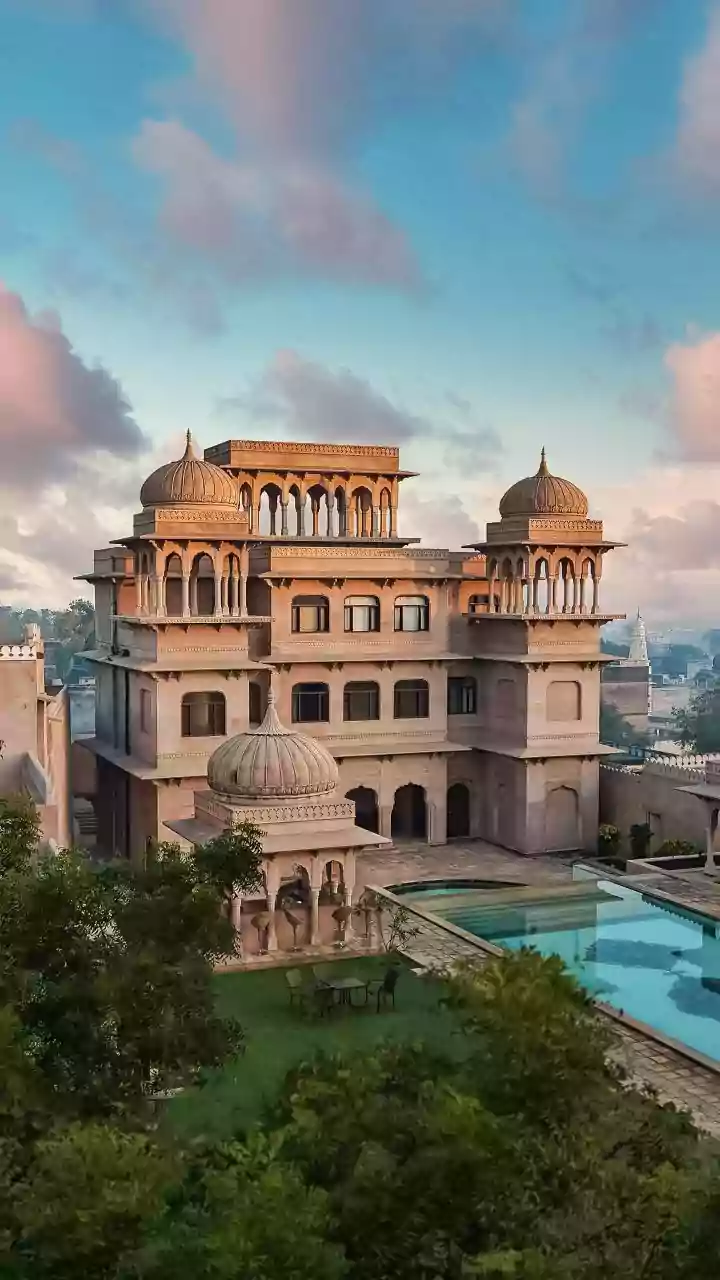
For decades, the peak of luxury travel was the all-inclusive resort: a self-contained paradise where the toughest decision was choosing between the buffet and the à la carte restaurant. This “fly-and-flop” model promised total relaxation through inactivity.
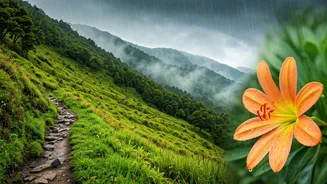
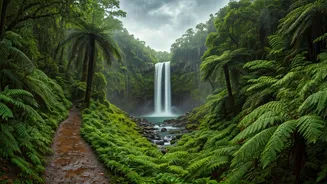
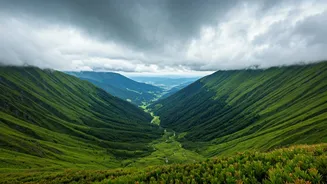
But a significant change is underway. While resorts certainly haven't disappeared, a different travel ethos is rapidly gaining ground. Post-pandemic, travellers are reporting a greater desire for experiences that are active, meaningful, and connected to the natural world. Reports from travel industry analysts show a marked increase in bookings for adventure travel, eco-lodges, and trips centred around activities like hiking, bird-watching, and wildlife safaris. It seems the definition of 'recharging' is evolving from passive rest to active restoration.
A Search for Authentic Connection
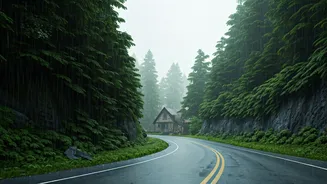
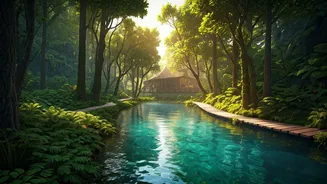
One of the biggest drivers of this trend is a deep-seated craving for authenticity. In a world saturated with digital filters and curated online personas, travellers are seeking real, unfiltered experiences. The uniform comfort of a five-star resort, while pleasant, can feel generic and disconnected from the local culture and environment. Nature travel, by contrast, offers the opposite. It’s about feeling the crunch of leaves under your boots, smelling the rain-soaked earth in a forest, or witnessing a wild animal in its natural habitat. These are unique, unscripted moments that create powerful memories and a genuine sense of place. This desire for authenticity extends to connecting with local communities, learning about regional ecosystems, and feeling like a participant in the world rather than just an observer.
Wellness Redefined by the Wild
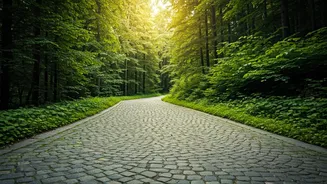
The concept of wellness has also expanded far beyond the spa. While massages and facials are still popular, a more holistic understanding of well-being is taking hold. This new approach emphasizes mental and spiritual health as much as physical pampering. Scientific research has proven the profound benefits of spending time in nature—a practice the Japanese call *shinrin-yoku*, or “forest bathing.” Being in a natural environment has been shown to reduce stress, lower blood pressure, improve mood, and boost creativity. Travellers are internalizing this message. They are choosing vacations that offer true disconnection from screens and the pressures of daily life, opting instead to reconnect with themselves through the calming, grounding power of the natural world. A week of trekking in the mountains can do more for one's mental clarity than a week spent indoors.
India’s Own Natural Awakening
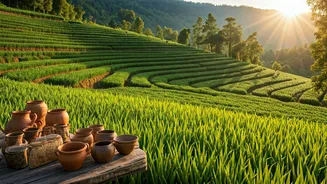
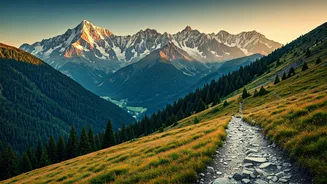
This global trend is particularly resonant in India, a country blessed with an astonishing diversity of landscapes. Indian travellers are rediscovering their own backyard, from the snow-capped peaks of the Himalayas and the dense jungles of the Western Ghats to the serene backwaters of Kerala and the starkly beautiful deserts of Rajasthan. A new generation of boutique eco-lodges and sustainable homestays has emerged to cater to this demand. These establishments prioritize minimal environmental impact and offer immersive experiences, such as guided nature walks, organic farm-to-table dining, and workshops with local artisans. This domestic boom in nature tourism is not just about individual well-being; it's also fostering a greater appreciation for conservation and sustainable living among urban Indians.
From Passive Consumer to Active Explorer
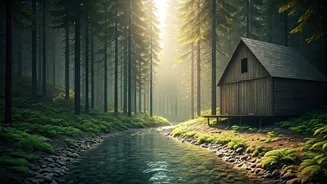
Ultimately, the shift from resort laziness to nature travel is about a change in mindset. It’s a move away from being a passive consumer of luxury to becoming an active explorer. It prioritizes personal growth and storytelling over simple indulgence. This doesn't mean every vacation needs to be an arduous expedition. Nature travel can range from a comfortable stay in a cabin by a lake to a challenging multi-day trek. The key element is engagement—with the environment, with the local culture, and with oneself. It's about returning from a trip not just rested, but enriched, with a new perspective and stories to tell that go beyond the quality of the hotel’s infinity pool.