



Coorg, Karnataka: The Scotland of India in Green
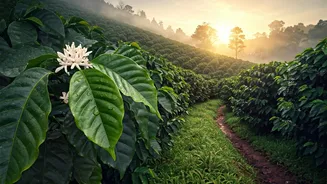
Known as the 'Scotland of India', Coorg (or Kodagu) sheds its summer skin and drapes itself in a thousand shades of green during the monsoon. [24] The rain breathes new life into its rolling hills and famed coffee plantations, making a simple walk an aromatic,
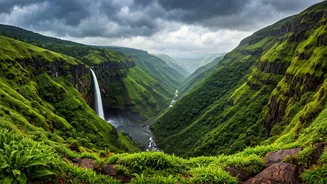
sensory experience. [15] The air is thick with the scent of wet earth and fresh coffee blossoms. Waterfalls like Abbey and Iruppu, which are modest in other seasons, become roaring spectacles. [9, 12] For the adventurous, the Barapole River swells, offering thrilling white-water rafting opportunities. [9, 17] For those seeking tranquility, watching the mist descend upon the hills from a traditional homestay, cup of local filter coffee in hand, is an unparalleled experience. It’s less about sightseeing and more about soaking in the atmosphere.
Munnar, Kerala: Tea Gardens in the Mist
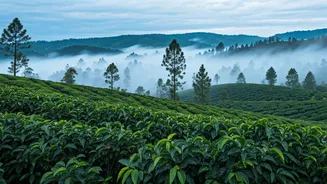
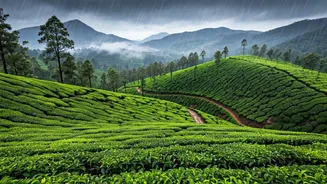
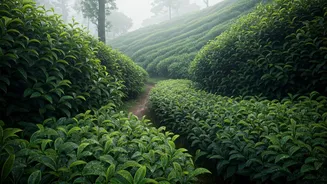
If paradise is a colour, in Munnar during the monsoon, it's green. This hill station in Kerala becomes a dreamy landscape of mist-covered tea estates. [8] The monsoon transforms the already beautiful scenery into something magical, with clouds often descending to kiss the rolling hills. [13, 20] It’s a time for rejuvenation; waterfalls like Attukal and Lakkam are in their full glory, and the cool, fresh air is perfect for nature walks. [8, 13] While some activities might be limited, the season is ideal for visiting the Tea Museum to understand the region's heritage or simply enjoying a scenic drive. [13, 19] The crowds are thinner, allowing for a more peaceful connection with what locals call 'God's Own Country' at its most vibrant.
Shillong, Meghalaya: The Abode of the Clouds
Why not go where the rain is celebrated? Meghalaya, which translates to 'Abode of the Clouds', truly lives up to its name during the monsoon. [35] From June to September, the region receives some of the heaviest rainfall on Earth, creating a dramatic, photogenic landscape. [32, 33] The capital, Shillong, serves as a perfect base. [28] Nearby, waterfalls such as Elephant Falls and Nohkalikai Falls are thunderous and awe-inspiring. [22, 32] The famous living root bridges in villages like Nongriat become even more mystical, glistening with moisture amidst dripping, primeval-feeling forests. [32, 35] It’s an immersive experience for those who truly love the rain, offering a chance to witness nature's power and beauty in its rawest form.
Valley of Flowers, Uttarakhand: A Himalayan Monsoon Bloom
For a truly unique monsoon escape, the Valley of Flowers National Park is an unmissable destination. This UNESCO World Heritage site is only open from June to October because it's covered in snow the rest of the year. [10] It is during the monsoon, from mid-July to mid-August, that the valley is at its most spectacular, bursting into a vibrant carpet of over 500 species of wildflowers. [10, 23, 25] Trekking to this high-altitude meadow in the Garhwal Himalayas is a journey in itself, leading you through lush forests and alongside rushing rivers. [23] The rain and mist add a layer of mystique to the experience, making the colourful bloom feel like a fleeting, secret garden revealed only to those willing to make the journey.
Goa: A Quieter, Greener Coast
While most associate Goa with winter sun and crowded beaches, the monsoon unveils a completely different, and arguably more charming, side of the coastal state. The usual tourist hustle fades, replaced by a tranquil, laid-back vibe. The landscape transforms into a lush, green paradise. [12] The rain-washed paddy fields are a brilliant green, and the beaches are quiet and refreshingly empty. It's the perfect time to explore Goa's rich Portuguese heritage, visit a spice plantation in its full aromatic glory, or trek to the magnificent Dudhsagar Falls, which is at its most powerful during the rains. [26, 31] It’s Goa for the traveller, not the tourist.