






What is a Self-Transfer?
A self-transfer, sometimes called a 'hacker fare', is when you book separate tickets for each leg of a journey instead of a single ticket with a protected connection. For example, instead of one ticket from Mumbai to New York via Dubai, you book one flight
from Mumbai to Dubai and a separate one from Dubai to New York. This gives you the flexibility to mix airlines, like a full-service carrier for the long haul and a budget airline for the shorter leg, potentially unlocking huge savings and more route options. However, the airlines see these as two completely separate journeys. This means you are entirely responsible for making the connection.
The Unspoken Risks of DIY Connections
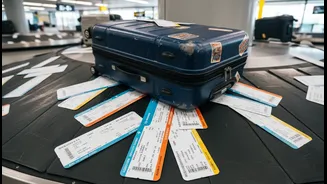
When you book a single ticket, the airline is responsible for getting you to your final destination. If your first flight is delayed and you miss your connection, they will rebook you on the next available flight at no extra cost. With a self-transfer, that protection disappears. If your first flight is delayed, cancelled, or even has a minor schedule change, the second airline has no obligation to help you. You're on your own. You will likely have to forfeit the cost of your missed flight and buy a new, often extremely expensive, last-minute ticket. Other common issues include having to collect your checked luggage, go through immigration, re-check your bags, and clear security again—all of which takes time and adds stress.
How to Calculate Your Worst-Case Cost
This is the most critical step before booking a self-transfer. The 'worst-case cost' is the total amount you would lose if you miss your connecting flight. Start by assuming you have to buy a new, one-way ticket to your destination on the day of travel. Research what those last-minute fares typically cost for that route—it will likely be several times what you originally paid. Now add other potential expenses: a hotel room if you're stranded overnight, meals, and the cost of any non-refundable bookings at your destination (like hotels or tours) that you might miss. The sum of these potential losses is your true 'worst-case cost'. Compare this number to the money you saved by booking a self-transfer. If the potential loss would be financially devastating, the risk is too high.
When Does a Self-Transfer Make Sense?
Despite the risks, self-transfers aren't always a bad idea. They make sense when the risk is low and the potential savings are significant. The safest way is to plan an extremely long layover, ideally 12 hours or more, or even an overnight stay. This turns the layover into a mini-trip and provides a huge buffer against delays. Traveling with only a carry-on bag is another way to reduce risk, as it eliminates the time-consuming process of reclaiming and re-checking luggage. Finally, if the savings are so substantial that they could cover the cost of a new last-minute flight and you still come out ahead, it might be a gamble worth taking for the experienced and financially prepared traveler.
Best Practices for the Brave Traveller
If you decide the reward is worth the risk, follow these tips to protect yourself. First, book flights with the longest possible layover—experts recommend a minimum of four to six hours for international connections. Second, travel light with only carry-on luggage to avoid baggage claim and re-check queues. Third, check visa requirements for your transit country, as you may need to officially enter the country to check in for your next flight. Finally, consider travel insurance, but read the fine print carefully. Many standard policies do not cover missed connections on separate tickets, so you may need a specific policy that explicitly includes self-transfer protection.