



What's Behind the Buzz?
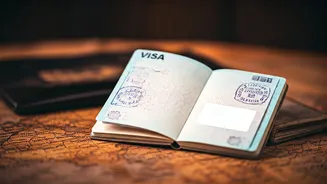
The catalyst for this travel frenzy is Vietnam's progressive new visa policy, which took effect in August 2023. Previously, Indian travellers could only get a 30-day, single-entry e-visa, which limited the scope and flexibility of their trips. The new rules
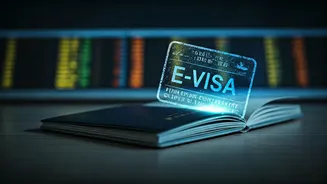
have completely changed the game. Now, Indian citizens are eligible for a 90-day e-visa that permits multiple entries. This means you can stay for up to three months and even use Vietnam as a base to explore neighbouring countries and re-enter without needing a new visa each time. This simple administrative change has effectively rolled out the welcome mat, transforming Vietnam from a short-stay destination into a potential long-haul exploration hub.
The Numbers Don't Lie
The term 'skyrocket' isn't just hyperbole. Leading travel platforms have reported unprecedented surges in search traffic from India directed towards Vietnam. For instance, travel search engine Skyscanner noted a remarkable 246% month-on-month increase in searches for travel to Vietnam from India following the policy announcement. Similarly, digital travel platform Agoda reported a 32% jump in accommodation searches for its Vietnamese properties. This data confirms a clear and immediate reaction from the Indian market. Travellers who may have been hesitant due to visa constraints are now actively planning and pricing out trips, signalling a major shift in travel trends towards this vibrant country.
A Game-Changer for Indian Travellers
For years, the short visa duration was a practical and psychological barrier. A quick seven-day trip felt rushed for a country as geographically and culturally diverse as Vietnam. The new 90-day visa removes this pressure entirely. It empowers travellers to design more relaxed and immersive itineraries. You can now linger in a city you love, take a slow train journey from north to south, or even consider a 'workation' for a month or two. This flexibility is a huge draw, especially for a generation of travellers who value experiences over checklists. The multiple-entry component is another significant bonus, making it easier to plan a wider Southeast Asian tour with Vietnam as the central anchor.
Your Vietnam Itinerary Just Got Bigger
With three months at your disposal, you can move beyond the standard tourist trail of Hanoi and Ha Long Bay. The new policy invites you to explore Vietnam in its entirety. Consider starting in the north with the stunning rice terraces of Sapa and the bustling streets of Hanoi. Then, meander down to the central coast to experience the old-world charm of Hoi An's lantern-lit streets and the imperial history of Hue. From there, you can head to the coastal city of Da Nang for beaches and the famous Golden Bridge. Finally, journey south to the frenetic energy of Ho Chi Minh City and the tranquil waterways of the Mekong Delta. The island of Phu Quoc, with its pristine beaches, is now a viable multi-week escape rather than a rushed weekend trip.
How to Get Your E-Visa
Applying for the new e-visa is a straightforward online process. Indian passport holders can apply directly through Vietnam's official immigration portal. The key requirements are a valid passport with at least six months of validity, a recent passport-style digital photo, and a valid payment method for the application fee. The process is designed to be user-friendly, and applicants typically receive their e-visa via email within a few working days. This ease of access, combined with the extended duration, removes one of the biggest hurdles of international travel, putting Vietnam on par with other visa-friendly destinations for Indians.