








The New Kitchen Consciousness
Walking down a supermarket aisle feels different now. What was once a simple task of picking up essentials has transformed into a detailed analysis of nutritional labels and ingredient lists. This shift isn't just a fleeting trend; it's a fundamental
change in how we approach food. Spurred by a growing awareness of health and wellness, Indian consumers are now more inquisitive than ever. They are asking crucial questions: What kind of oil is best for our health? What do all those percentages and terms on the back of the packet really mean? This movement towards informed eating is pushing everyone, from home cooks to large food manufacturers, to prioritise transparency and health. It’s no longer just about taste and convenience; it's about making choices that nourish our bodies from the inside out.
Decoding the World of Oils
The cooking oil section is a prime example of this new complexity. You're no longer just choosing between mustard and sunflower oil. The real debate is between refined and cold-pressed oils. Refined oils are processed at high temperatures with chemicals, which strips them of many natural nutrients, flavours, and aromas. In contrast, cold-pressed oils are extracted using a mechanical press at low temperatures without chemicals, a method that preserves vitamins, antioxidants, and healthy fats. Traditional Indian options like cold-pressed groundnut, mustard, and coconut oil are returning to popularity, celebrated for retaining the natural goodness of the seeds they come from. While refined oils may have a higher smoke point for deep frying, the consensus for daily cooking is shifting towards nutrient-rich cold-pressed varieties for their long-term health benefits.
The Art of Reading a Label
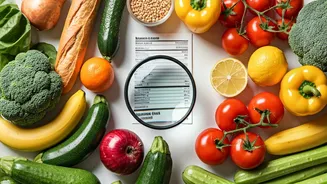
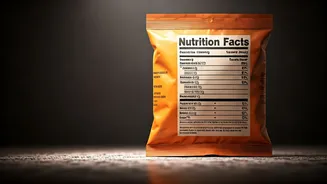
Beyond oils, the nutrition label on packaged foods has become a crucial tool. The Food Safety and Standards Authority of India (FSSAI) mandates that all packaged foods display key information. However, studies show that while most consumers look at labels, they often only check the manufacturing and expiry dates. The real story is in the nutrition facts panel. The first rule is to check the serving size; often, it's much smaller than what one might consume in a single sitting, which can be misleading. Next, look at the ingredients list, which is presented in descending order of weight. This tells you what the product is mostly made of. Key things to watch for are high levels of added sugar, sodium, and saturated or trans fats, which are linked to lifestyle diseases.
Understanding 'Clean Labels'
A new trend taking hold in India is the demand for "clean labels". While there's no official definition, it generally refers to products made with simple, natural, and easily recognizable ingredients. Consumers are increasingly looking for foods that are free from artificial preservatives, flavours, and colours. This has pushed brands to reformulate their products, replacing chemical-sounding additives with kitchen-friendly ingredients like turmeric for colour instead of synthetic dyes. Claims like "no added preservatives" or "all-natural" are powerful marketing tools, but it's still important for consumers to read the full ingredient list to ensure the claims are not misleading.
Smarter Choices for Your Next Grocery Trip
To put this knowledge into action, start by making small, manageable changes. Instead of replacing everything at once, try rotating your cooking oils. Using a combination of cold-pressed mustard oil, groundnut oil, and perhaps ghee for different types of cooking can provide a balanced intake of various fatty acids. When buying packaged goods, make it a habit to spend an extra minute scanning the nutrition label. Look for products with shorter ingredient lists and names you recognise. The FSSAI is also moving towards front-of-pack labelling, which will place clear warnings on foods high in fat, sugar, and salt, making it even easier for consumers to make quick, healthy choices.