
A Health Wave in the Snack Aisle
The Indian snacks market, long dominated by a vast array of fried namkeens, sweets, and classic biscuits, is undergoing a significant transformation. While traditional snacks remain popular, there is a visible and accelerating shift towards healthier
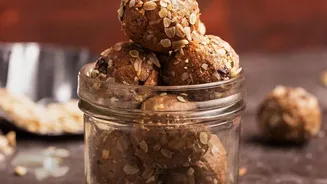
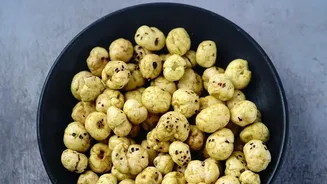
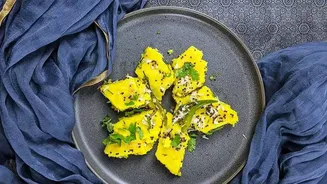
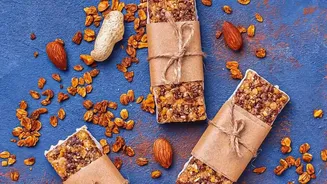
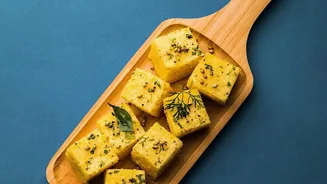
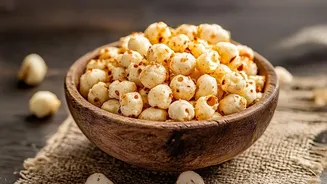
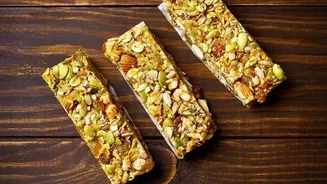
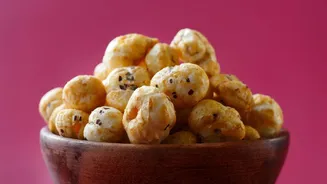
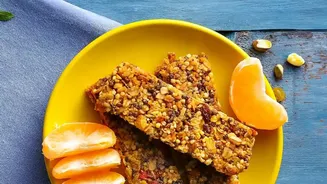
alternatives. The market for healthy snacks in India was valued at over USD 3 billion in 2025 and is projected to grow steadily, with some estimates predicting a CAGR of over 8% in the coming years. This growth is not just about adding 'diet' versions of old products; it's a fundamental change driven by demand for snacks that offer functional benefits like high protein, high fibre, and natural ingredients. Consumers are now actively seeking out protein bars, granola, millet-based chips, roasted makhana (fox nuts), and baked snacks, creating a burgeoning category that sits alongside the traditional offerings.
Why the Sudden Appetite for Health?
Several factors are fuelling this change. A primary driver is a dramatic increase in health and wellness awareness, significantly accelerated by the COVID-19 pandemic, which pushed immunity and preventive health into the mainstream consciousness. This is coupled with rising disposable incomes and rapid urbanisation, which give more consumers the means and motivation to make deliberate, health-conscious food choices. The urban, millennial, and Gen Z populations, in particular, are influenced by fitness culture and social media, leading them to read nutritional labels and prioritise clean, transparent ingredients. Concerns over lifestyle diseases like diabetes and obesity are also prompting a move away from snacks high in sugar and trans fats. As a result, what was once a niche market is now a primary growth engine for the FMCG sector.
New Brands Challenge the Old Guard
This shift has created a dynamic competitive landscape. For decades, legacy companies like Britannia, Parle, and Haldiram's have dominated the market. While these established players are responding by launching healthier product lines—such as PepsiCo's baked Kurkure Jowar Puffs or biscuits with more wholesome ingredients—the real disruption is coming from a wave of new-age, direct-to-consumer (D2C) brands. Companies like Yoga Bar, The Whole Truth, and Slurrp Farm have built their entire identity around health, transparency, and innovation. They leverage digital marketing and quick-commerce platforms like Blinkit and Zepto to reach health-conscious urban consumers directly, creating a loyal following. This has forced the entire industry to innovate, with a greater focus on categories like protein bars, which are moving from a niche for gym-goers to a mainstream lifestyle product.
Challenges in a Price-Sensitive Market
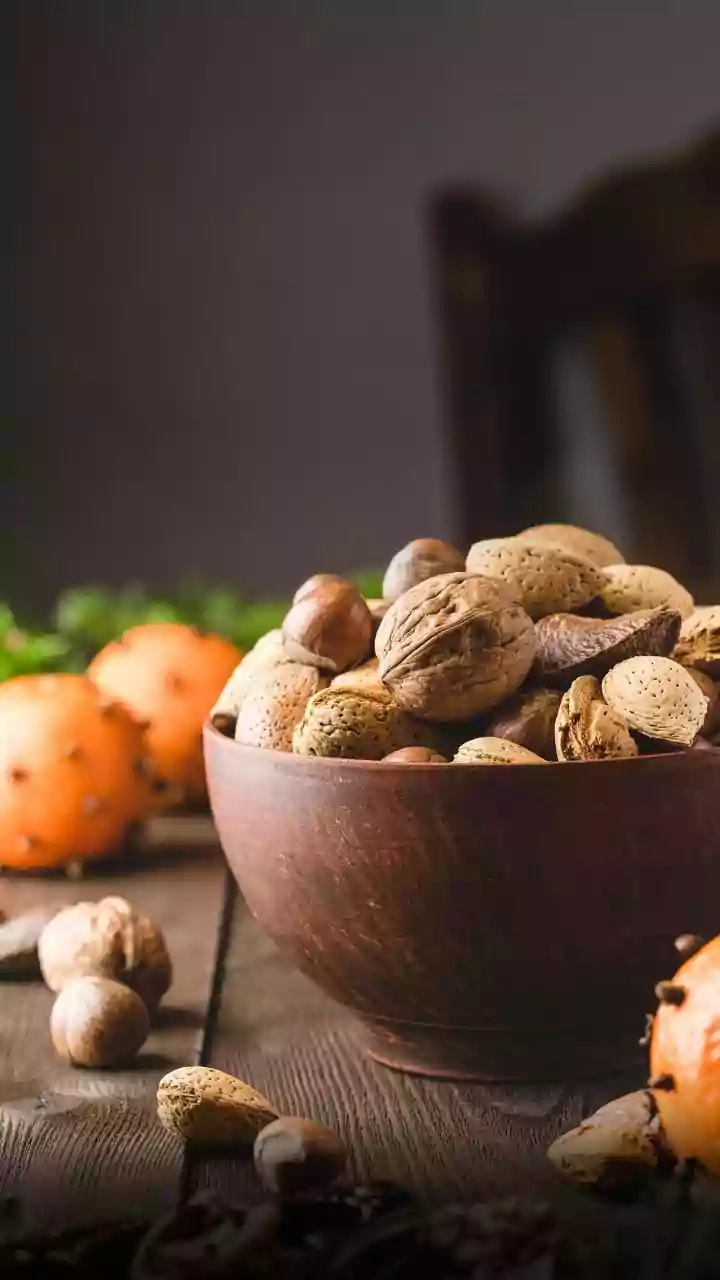
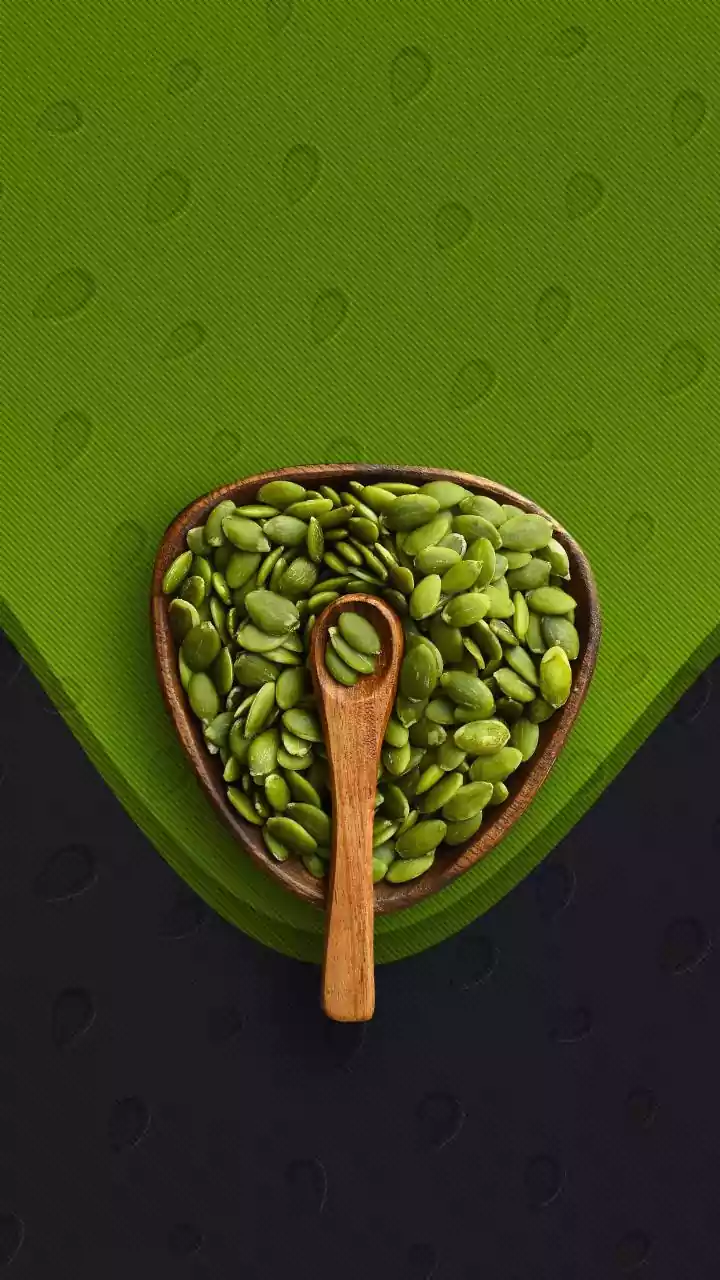
Despite the rapid growth, the healthy snacking segment faces hurdles. One of the biggest challenges is price. Healthy snacks often use premium ingredients like nuts, seeds, millets, and high-quality protein, which makes them significantly more expensive than traditional snacks made from refined flour and sugar. This price barrier limits their adoption to a large extent to urban consumers in India's top-tier cities, where affordability is less of an issue. For many D2C brands, the high costs of customer acquisition and distribution through various channels can erode margins, making profitability a tough challenge. Furthermore, while consumers say they want healthy options, taste remains a critical, non-negotiable factor. Brands must therefore deliver on health without sacrificing the flavour that consumers expect from a snack.
The Future of Snacking in India
Looking ahead, the trend towards healthier snacking shows no signs of slowing down. The market is expected to continue its expansion, driven by ongoing innovation in plant-based products, gluten-free options, and snacks fortified with vitamins and minerals. Legacy brands will continue to invest heavily in their healthy portfolios, while D2C startups will likely find new niches and expand their reach beyond the major metro areas. The Indian consumer is becoming more discerning, seeking products that are not only good for them but also convenient and aligned with their values. This evolution means that the snack aisle of tomorrow will be a place of co-existence, where the comforting familiarity of a Parle-G biscuit shares shelf space with a protein bar designed for the modern, health-aware Indian.