


The Practicality Pivot: Why Comfort Is King
For years, monsoon dressing felt like a compromise, often involving covering a well-planned outfit with a shapeless plastic sheet. [6] But in 2026, there's a clear shift. Consumers and designers are prioritising comfort, movement, and functionality in the face
of humidity and unpredictable showers. [9] This isn't about giving up on style; it's about embedding practicality into the very fabric and design of our clothes. [9] The new dress code is driven by a desire for a wardrobe that works harder, transitioning seamlessly from a dry commute to a sudden downpour without a fuss. [9, 13] Relaxed silhouettes, co-ord sets, and breathable essentials are no longer just 'casual'—they are the foundation of a sophisticated and weather-ready monsoon wardrobe. [2]
Fabric Innovation: The Heart of Dry Dressing
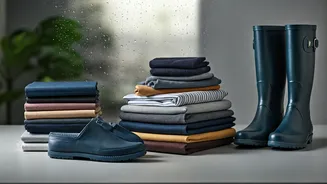
The single biggest leap forward in monsoon fashion lies in fabric technology. [5] Forget heavy denim or cottons that get waterlogged and take days to dry. [5, 10] The focus for 2026 is on lightweight, quick-drying materials like polyester blends, nylon, and rayon that don't stick to your skin when the humidity spikes. [2, 5, 12] We're also seeing an influx of high-performance textiles moving from sportswear into daily wear. [4] Think fabrics with nano-coatings for water repellency, smart breathable membranes that block rain but let heat escape, and even advanced bio-cellulosic fibres like Lyocell and Modal that are soft, absorbent, and eco-friendly. [4, 6, 8, 19] Some brands are even using innovations like water-repellent treatments on natural fabrics like linen, offering the best of both worlds. [4]
Smarter Silhouettes for Splash Zones
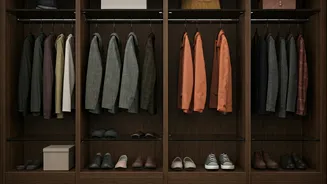
Practicality extends to the very cut of the clothes. The 2026 monsoon wardrobe is decidedly anti-floor-length. [12] Designers are favouring shorter hemlines that steer clear of muddy puddles, such as cropped trousers, knee-length dresses, and relaxed shorts. [5, 12, 18] In menswear, tailoring is loosening up, with unstructured jackets and fluid trousers leading the way. [9] For women, flowy dresses, co-ord sets in cotton-rayon blends, and shorter kurtas are proving popular because they look put-together while allowing for free movement and airflow. [2] The goal is to avoid outfits that feel heavy or restrictive when wet. [5] Darker colours like navy, olive, and charcoal are also a practical choice for hiding inevitable water splashes. [12]
Footwear That Works: Beyond the Basic Slipper
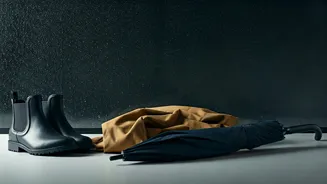
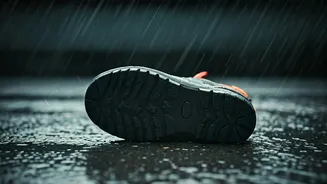
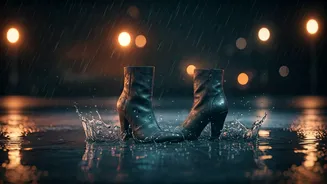
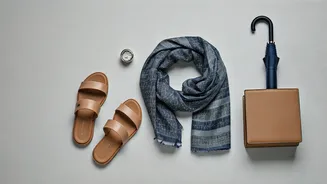
The right footwear is non-negotiable for navigating waterlogged streets safely and stylishly. [3, 10] While basic rubber sandals have their place, the options for 2026 are far more sophisticated. Brands like Crocs, Birkenstock, and Campus are offering stylish, waterproof, and slip-resistant choices that combine comfort with modern design. [3, 15, 16] Waterproof sneakers, jelly shoes, and clogs with good grip are essential, replacing leather and suede which are easily ruined by water. [5, 12] The key features to look for are water-resistance, a slip-resistant sole, quick-drying materials, and enough comfort for long hours of wear. [3] Platform sandals and wedges are also trending, providing extra height to keep you clear of puddles. [20]
Accessorising for the Elements
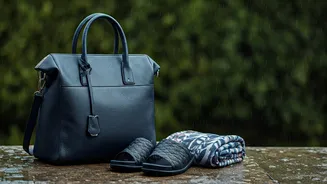
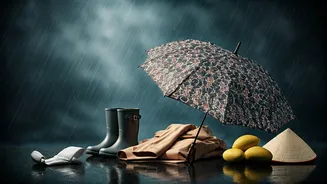
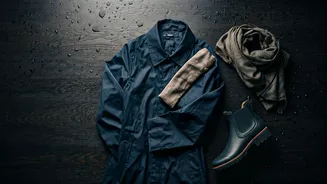
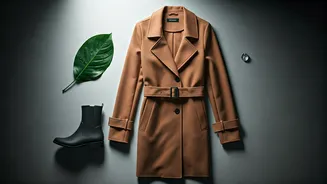
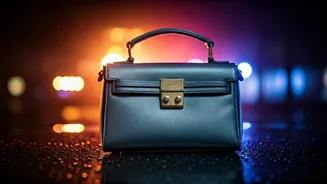
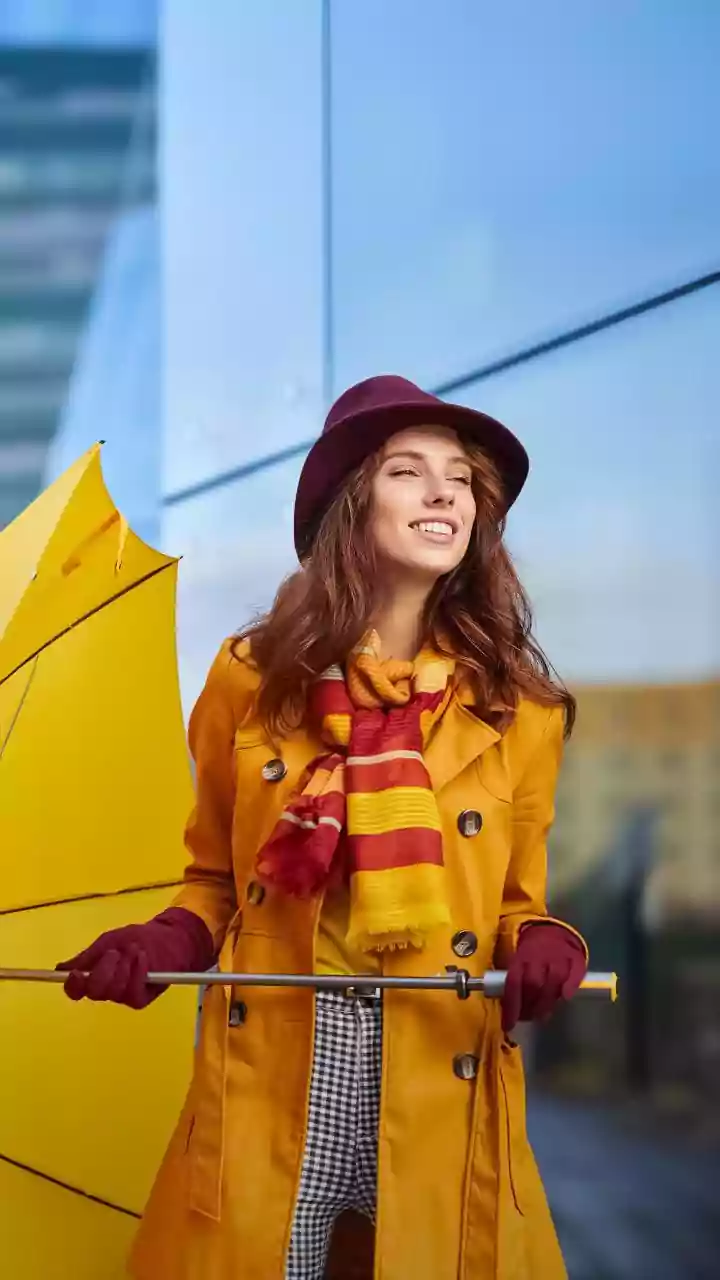
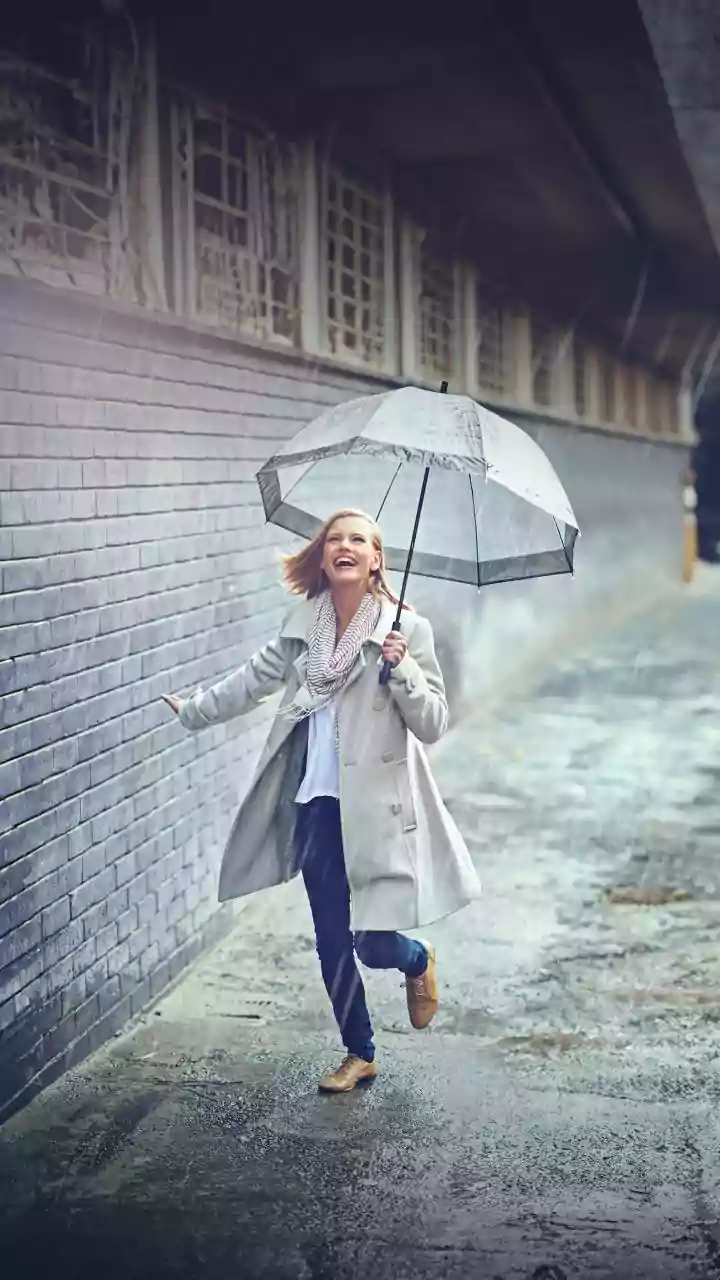
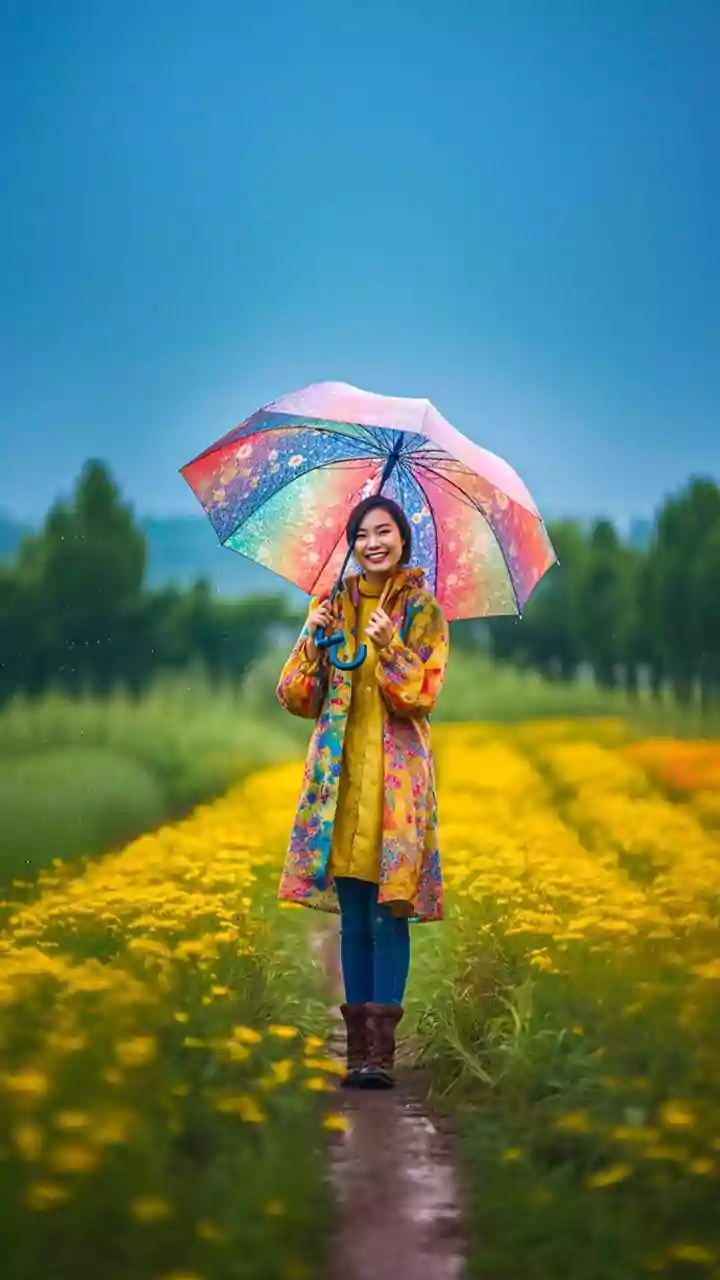
Accessories have also received a practical upgrade. The flimsy, promotional umbrella is being replaced by sturdy, stylish options like clear dome umbrellas or those in rich, solid colours that complement an outfit. [13] Waterproof bags are an absolute essential, with functional backpacks and nylon totes designed to protect laptops, phones, and other valuables. [5, 9, 18] Even raincoats have been transformed from a bulky afterthought into a tailored centrepiece of the look, featuring smarter silhouettes, adjustable waists, and structured hoods. [6] The influence of techwear is visible in details like waterproof utility pockets and reflective accents for visibility, making rainwear as much about street style as it is about staying dry. [6]