


From Occasion-Wear to Everyday Staple
For generations, handloom fabrics were synonymous with ceremony and celebration. A lustrous Banarasi silk saree for a wedding, a rich Jamdani kurta for a festival—these were pieces preserved in tissue paper, reserved for moments of significance. That
perception is rapidly changing. A new wave of designers and a conscious consumer base are repositioning handloom as a practical and desirable choice for daily life. This isn't just about preserving a craft; it's about integrating it into the reality of modern wardrobes, from office wear to casual weekend outings. The focus has shifted from high-maintenance, decorative pieces to those that offer effortless style and live-in comfort.
The New Language of Comfort
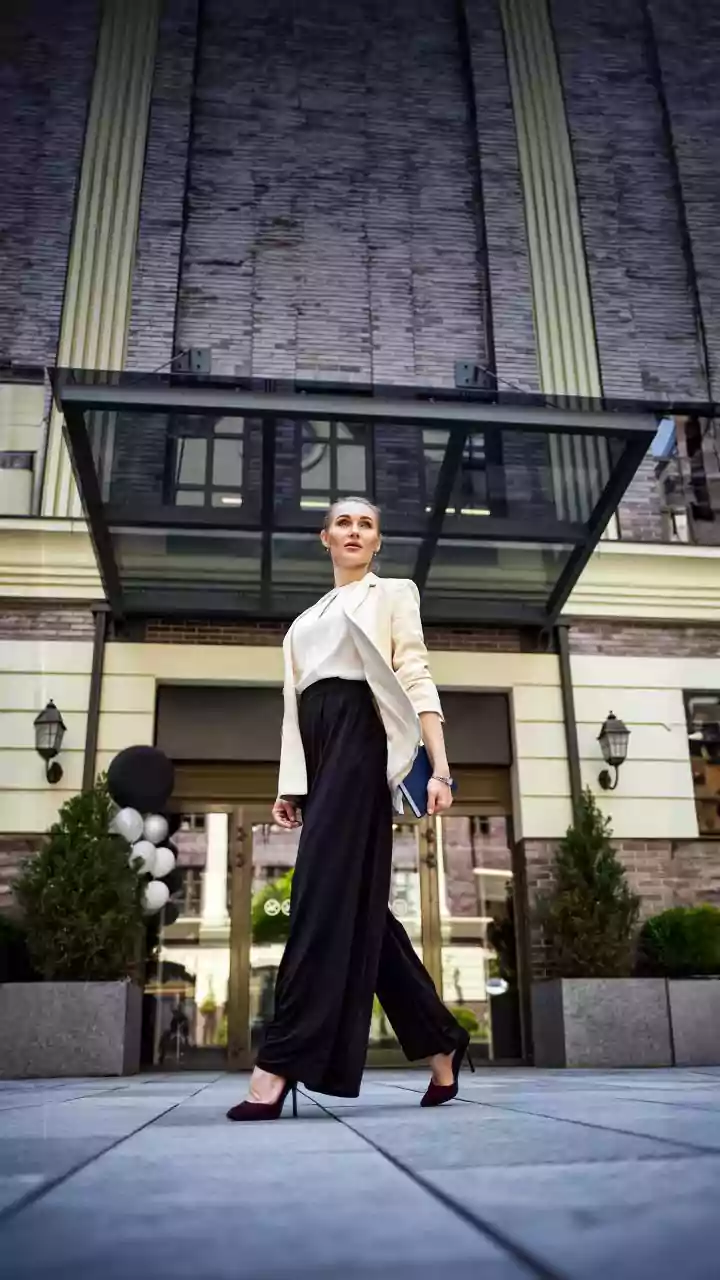
The driving force behind this revival is a collective desire for comfort. The post-pandemic world accelerated a move towards clothing that feels good, breathes easily, and allows for unrestricted movement. Handloom fabrics like cotton, khadi, and linen are naturally suited for this, offering breathability that is perfect for the Indian climate. This has led to the rise of what are often called 'anti-fit' or relaxed silhouettes. Think of oversized shirts, wide-legged trousers, flowing kaftan-style kurtas, and easy-to-drape sarees that prioritize mobility over formality. Designers are embracing these generous cuts, proving that luxury doesn't have to be restrictive. This new approach reframes handloom not as a heavy, formal textile but as the foundation for sophisticated, comfortable everyday dressing.
Redefining the Silhouette
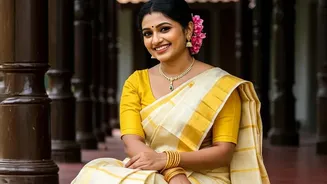
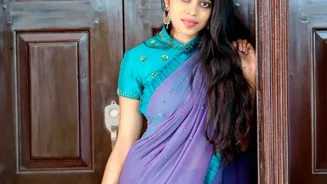
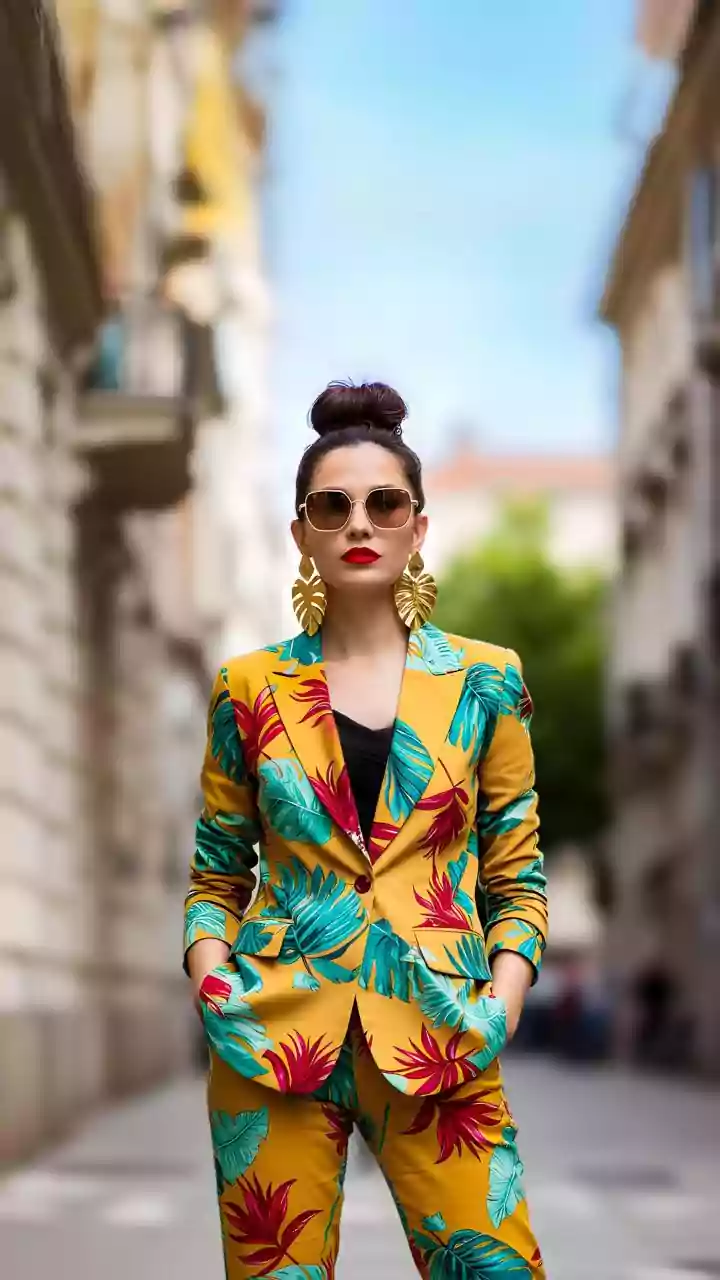
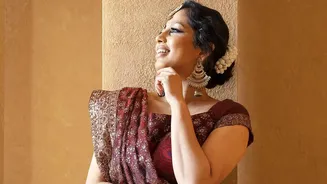
This shift is most visible in the silhouettes themselves. Instead of being confined to traditional garments, handloom fabrics are now being transformed into a range of contemporary styles. Designers are creating everything from tailored blazers and cropped jackets in tussar silk to midi dresses and co-ord sets in vibrant ikat. Brands are experimenting with streetwear-inspired shapes, pairing heritage weaves with relaxed-fit drapes and modern detailing. Even the saree, the quintessential handloom garment, is being styled differently—draped for practicality, paired with jackets or trousers, and worn with the kind of ease once reserved for simpler outfits. This evolution proves that traditional craft and modern design can coexist, creating a fashion language that feels both rooted and current.
Sustainability and Mindful Choices
The move towards handloom is also deeply connected to a growing global consciousness around sustainable and ethical fashion. In a world saturated with fast fashion, consumers are increasingly seeking out pieces with longevity, authenticity, and a story. Handloom production has a lower carbon footprint, utilizes natural fibers, and directly supports artisan communities, often providing crucial employment in rural areas. Each handwoven piece carries the unique touch of its maker, an imperfect beauty that machines cannot replicate. This narrative of mindful consumption and cultural preservation adds a layer of meaning to daily dressing, turning a simple style choice into a statement of values.