



What is Food Fortification, Anyway?
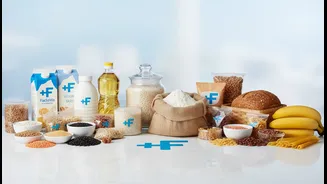
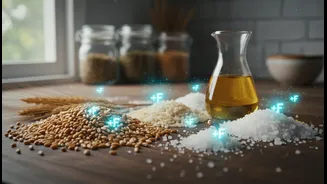
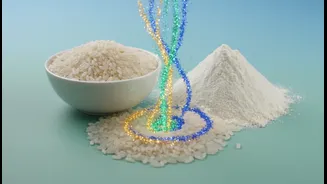
Food fortification is the process of adding key micronutrients like iron, iodine, zinc, and vitamins A and D to staple foods. In India, this initiative, regulated by the Food Safety and Standards Authority of India (FSSAI), targets commonly consumed items
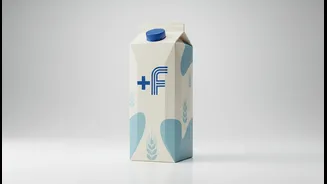
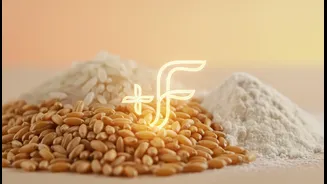
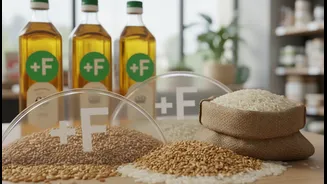
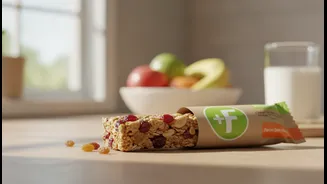
such as salt, milk, edible oils, wheat flour, and rice. The goal is to improve the nutritional quality of the food supply and combat widespread deficiencies without requiring people to change their eating habits. The '+F' logo helps consumers easily identify these nutritionally enhanced products. This strategy is considered a cost-effective and sustainable way to address 'hidden hunger'—a lack of essential vitamins and minerals—on a large scale.
Why India Needs Fortified Foods
India faces a significant public health challenge from micronutrient deficiencies. Conditions like anaemia from iron deficiency, goitre from iodine deficiency, and night blindness from Vitamin A deficiency affect a large part of the population. According to National Family Health Survey data, these issues are widespread, particularly among women and children. Food fortification serves as a powerful, preventative tool. By adding these essential nutrients back into foods that may lose them during processing, or which don't contain them naturally, the strategy helps ensure a larger portion of the population gets the nutrients they need for healthy growth and development. It's a population-level strategy to bridge a critical nutritional gap.
When Fortification Might Not Be For You
While beneficial for the majority, mass fortification is a blunt instrument that doesn't account for individual health profiles. For certain individuals, extra nutrients can be unnecessary or even harmful. People with genetic disorders like Thalassemia and Hemochromatosis are at risk of iron overload. In these conditions, the body absorbs or retains too much iron, and consuming iron-fortified foods could contribute to this issue, though recent FSSAI policy changes reflect that the iron from fortified foods is a much smaller risk than that from medical treatments like blood transfusions. Still, for non-transfused patients with these conditions, avoiding iron-fortified foods is often recommended. It's crucial for these individuals to manage their nutrient intake under strict medical guidance.
The Myth of 'More is Always Better'
In nutrition, more is not always better. Nutrients have a Tolerable Upper Intake Level (UL), which is the maximum daily amount you can consume from all sources—including natural foods, fortified products, and supplements—without risking adverse health effects. Consuming multiple fortified products (e.g., cereal, milk, and flour) along with a multivitamin supplement could, in some cases, push you towards or over the UL for certain nutrients like Vitamin A or iron. While FSSAI standards are designed to provide only 30-50% of the Recommended Dietary Allowance (RDA) to prevent overload, being mindful of your total intake is key. Chronic excessive intake can lead to toxicity, which is why a 'nutrient-dense' label shouldn't be an excuse to overconsume.
How to Be a Smart and Informed Consumer
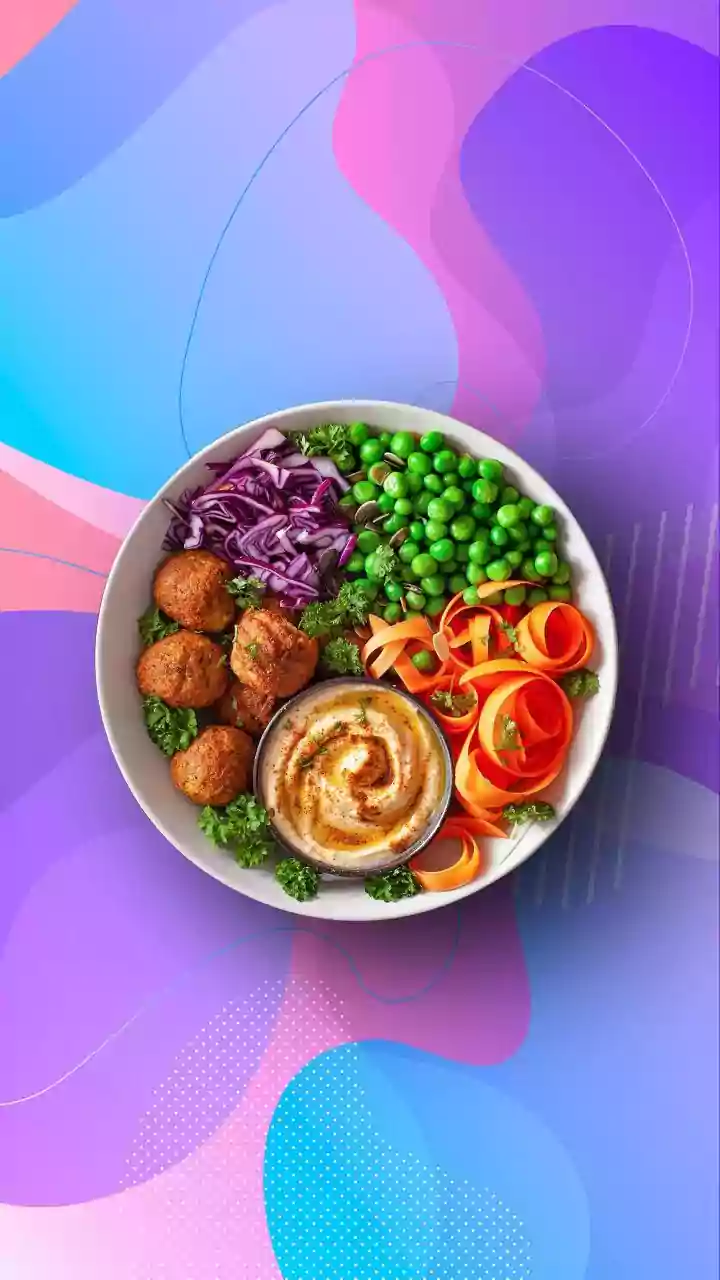
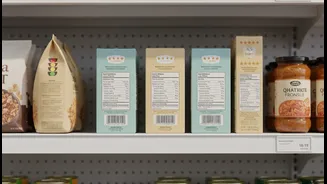
Navigating the world of fortified foods is about being informed, not fearful. First, always read the product label. Look for the +F logo and see which specific vitamins and minerals have been added. Second, consider your personal context. Do you have a pre-existing medical condition? Are you already taking vitamin or mineral supplements? If so, you should be extra mindful. Third, remember that fortified foods are meant to supplement, not replace, a balanced diet rich in whole foods like fruits, vegetables, and legumes. These natural sources provide a wide array of nutrients and other beneficial compounds that fortified products alone cannot offer.