



Why the Train Is Your Best Monsoon Companion
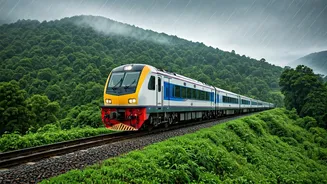
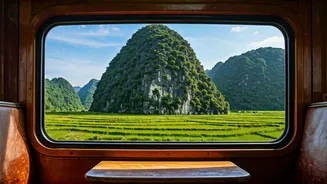
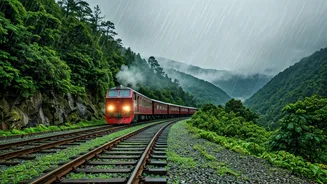
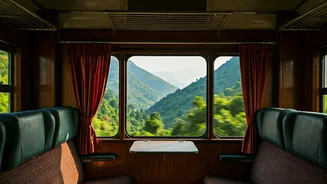
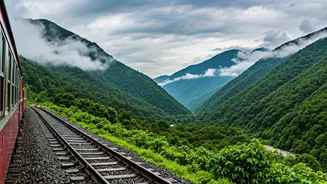
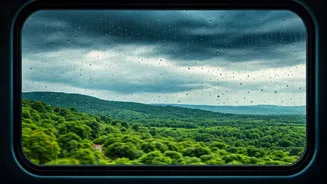
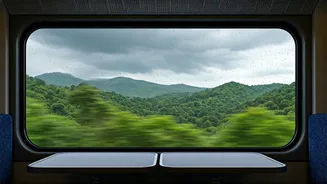
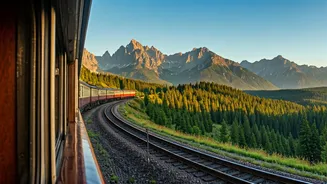
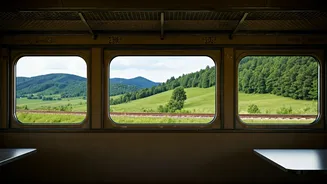
Choosing a train journey during the waterfall season isn't just about convenience; it’s about the experience itself. As rain washes the countryside, the view from a train window becomes a moving painting of vibrant greens, misty mountains, and countless
streams. You get to avoid the stress of driving on slippery, congested roads, making the trip safer and more relaxing. The rhythmic chugging of the train, combined with panoramic views, offers an unparalleled way to soak in the season's beauty. From the coastal charm of the Konkan coast to the rugged heights of the Western Ghats, the railway network provides a front-row seat to landscapes that are often inaccessible by car, turning the journey into the destination itself.
The Legendary Dudhsagar Falls Experience
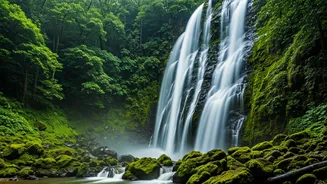
Perhaps no other journey captures the magic of a waterfall train trip better than the one to Dudhsagar Falls. Located on the Goa-Karnataka border, this towering, four-tiered waterfall is famously called the "Sea of Milk" for its powerful white streams during the monsoon. While jeep safaris and trekking routes to the base are typically closed during the heavy rains for safety reasons, the railway line from Vasco da Gama to Castle Rock passes directly in front of the falls on a stunning viaduct. This makes a train the only safe and legal way to witness Dudhsagar in its full, thunderous glory during the monsoon. Trains like the Amaravati Express or Goa Express provide spectacular, albeit brief, views as they cross the bridge. For the best view, passengers heading from Kulem towards Castle Rock should grab a seat on the right side of the coach.
Journey Through the Western Ghats
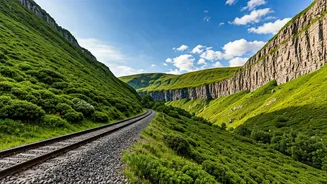
The Western Ghats, a UNESCO World Heritage Site, come alive during the monsoon with innumerable waterfalls. Several train routes offer a breathtaking tour of this region. The Mumbai-Goa route on the Konkan Railway is an engineering marvel that cuts through the Sahyadris, featuring over 90 tunnels and countless bridges that offer glimpses of waterfalls cascading down cliffs. Similarly, the journey from Mumbai to Pune navigates the scenic Bhor Ghat section, especially around Lonavala and Khandala, where the hills are draped in green and streaked with silver streams. For those in the south, the train from Bengaluru to Mangaluru travels through the dramatic Sakleshpur Ghat section, a stretch known for its thick forests, deep gorges, and waterfalls that are often just an arm's length from the tracks.
A Window to Wonder: Vistadome Coaches
To elevate the viewing experience, Indian Railways has introduced Vistadome coaches on several scenic routes. These coaches feature large glass windows, transparent roofs, and rotating seats, providing panoramic, 360-degree views of the surroundings. Routes like the Mumbai-Madgaon Jan Shatabdi Express and the Bengaluru-Mangaluru Express are equipped with these special coaches. Imagine watching the monsoon rain pour over the glass ceiling as your train winds through the lush hills and valleys of the Western Ghats. These coaches turn a simple train ride into an immersive experience, allowing you to fully absorb the dramatic landscapes and monsoon-fed waterfalls in comfort and style.
Beyond the Ghats: Mountain Railways
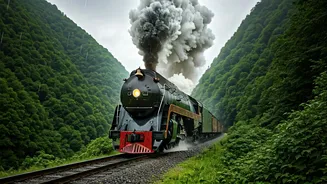
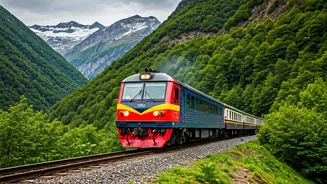
The magic of monsoon train travel isn't limited to the Western Ghats. The heritage mountain railways offer their own unique charm. The Nilgiri Mountain Railway, from Mettupalayam to Ooty, is a journey through mist-laden tea plantations and dense Shola forests. During the monsoon, the slow-moving 'toy train' passes by glistening hills and small, seasonal waterfalls, making for a nostalgic and picturesque ride. In the north, the Kalka-Shimla Railway winds through pine forests shrouded in mist, with over 100 tunnels and 800 bridges, offering a different but equally enchanting rainy-season experience. These UNESCO World Heritage journeys are less about speed and more about soaking in the rain-washed beauty of the mountains.