



From Sightseeing to Soul-Searching
For decades, the great Indian holiday was about covering maximum ground in minimum time. The goal was to see the sights, snap the photos, and move on. Today, a significant shift is underway. Travellers are increasingly seeking transformation, not just
transportation. This change is driven by a desire for experiences that are authentic, immersive, and personally enriching. The post-pandemic world has accelerated this trend, with many people re-evaluating their priorities and seeking a better work-life balance, leading them to value travel as a means to de-stress and reconnect with themselves. Instead of just asking, "Where can I go?" the modern Indian traveller is asking, "How can this trip change me?" This has paved the way for purpose-driven travel, where the 'why' of the journey is as important as the 'where.'
Wellness as the Main Event
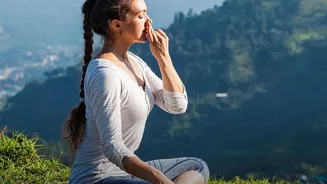
Once a niche interest, wellness tourism has exploded into the mainstream. Faced with urban stress and digital fatigue, Indians are now designing entire holidays around rejuvenation. This goes far beyond a simple spa day. Travellers are flocking to destinations like Kerala, Rishikesh, and Goa for authentic Ayurvedic treatments, yoga retreats, meditation programmes, and nature-based therapies. Hospitality brands have responded, with hotels reporting a significant surge in wellness-focused bookings and expanding their offerings to include everything from nutrition-based menus to curated digital detoxes. The Indian wellness tourism market is now a multi-billion dollar industry, built on the country's rich traditions of holistic health. It reflects a profound change in lifestyle priorities, where a holiday is seen as a vital investment in mental and physical health.
The Pull of Cultural Roots
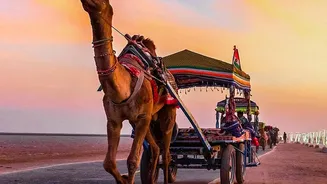
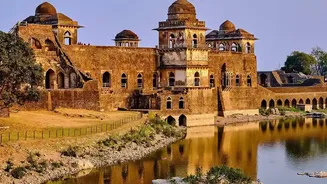
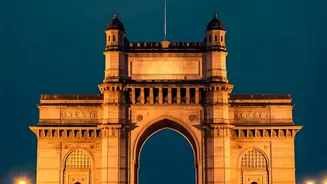
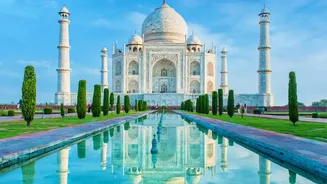
There's a growing appetite for travel that connects people to India's vast and diverse cultural tapestry. Modern travellers, especially younger generations like Millennials and Gen Z, are driving a boom in cultural and heritage tourism. They are no longer content with a superficial visit to a historical monument; they want to understand the story behind it. This has led to a rise in experiential travel, with bookings for heritage walks, culinary tours, artisan workshops, and festival-centric trips soaring. Reports indicate that a vast majority of Indian travellers now plan their trips around a region's cultural offerings. This search for authenticity is reshaping the tourism landscape, supporting local communities and preserving traditions while offering travellers a deeper, more meaningful connection to their own country. The cultural heritage sector is now the single largest contributor to India's heritage travel economy.
Learning on Location
The holiday is also becoming a new kind of classroom. Educational travel is no longer confined to school trips. Adults are increasingly using their time off to acquire new skills and knowledge. This can range from taking a professional photography workshop in the mountains to learning a regional cuisine from local chefs or getting a scuba diving certification. The motivation is personal growth and the joy of learning something new in an inspiring environment. This trend also extends to a deeper engagement with destinations through expert-led historical tours, ecological explorations, and visits to scientific centres. India is increasingly seen as an educational hub, attracting not just international students for formal degrees but also travellers who want to engage in short-term learning experiences. This form of travel combines leisure with self-improvement, turning a simple vacation into a productive and enriching adventure.