








The Promise and the Problem
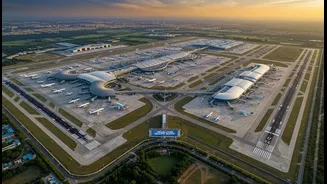
The rationale behind a second airport for the National Capital Region is solid. Delhi’s Indira Gandhi International Airport (IGI) is nearing saturation, and a new hub was needed to handle future growth and serve the burgeoning population of Western Uttar
Pradesh. For residents of Noida, Greater Noida, Ghaziabad, and beyond, NIA promises to slash travel times to the airport. However, a new airport's success is not guaranteed by its geographical location or shiny infrastructure alone. The initial passenger experience has been mixed, with challenges like high taxi fares and limited ground transport options emerging. While teething issues are normal, they highlight a crucial point: convenience is a multi-faceted concept, and for an airport, it begins and ends with the flights themselves.
Why Frequency is King
For any traveller, whether for business or leisure, choice is paramount. An airport's utility is measured by its ability to get you where you want to go, when you want to go. This is where flight frequency becomes the most critical factor. A single daily flight to Mumbai is useful only to a handful of people with flexible schedules. Multiple flights spread throughout the day—early morning, mid-day, and late evening—are what make an airport a truly viable option. This density allows business travellers to plan same-day return trips and gives leisure travellers the flexibility to manage their itineraries. Without a robust and frequent schedule, even a closer airport can feel less convenient than a more distant one with a wealth of options. The initial phase at NIA, with around 12 daily flights, was a cautious start, but the real test began with the planned ramp-up in July.
The Chicken-and-Egg Challenge
Airlines and airports exist in a symbiotic relationship. Airports need airlines to bring in passengers, but airlines need a critical mass of passengers to justify adding flights. This creates a classic chicken-and-egg dilemma for a new greenfield airport like Noida. Airlines are hesitant to commit significant resources without guaranteed passenger traffic, while passengers won't start using the airport in large numbers until a comprehensive flight network is in place. This challenge is compounded by pricing. Initial reports and analysis pointed to higher User Development Fees (UDF) at Noida compared to Delhi, which could translate to higher ticket prices, making it harder to attract passengers. While lower fuel taxes in Uttar Pradesh offer an advantage, it may not be enough to offset higher airport charges.
The Path to Becoming a First Choice
Noida's operator is aware of the frequency challenge. After a brief stabilization period, plans were announced to nearly triple flight operations from July 1, aiming for about 40-45 daily services to 16-17 destinations. This rapid expansion is a crucial move to build momentum. The initial network includes major metros and key regional cities, a strategy designed to make the airport relevant to a wider base of travellers quickly. The airport's success now depends on how consistently airlines like IndiGo, which has a major presence, and others like Akasa Air can maintain and grow these schedules. Pull-outs or frequency reductions, as have already been seen on some routes, can damage passenger confidence. The focus must be on creating a reliable and dense network that slowly but surely builds passenger trust and alters long-standing travel habits.