





Snake Plant (Sansevieria trifasciata)
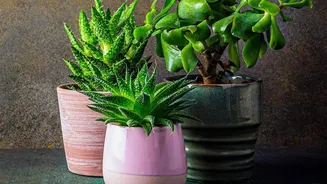
Often called mother-in-law's tongue, the snake plant is the epitome of a low-effort companion. Its stiff, upright leaves make a modern statement in any room. It's renowned for its ability to tolerate a wide spectrum of light conditions, from bright, indirect
sun to shady corners, making it perfect for overcast days. The biggest mistake you can make is overwatering; this plant thrives on neglect. Allow the soil to dry out completely between waterings—sometimes as infrequently as every two to three weeks, or even less in low light. It's also not fussy about humidity, adapting well to average household levels. This plant is a champion air purifier, making it a healthy and stylish choice.
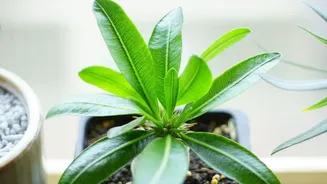
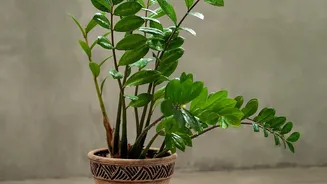
ZZ Plant (Zamioculcas zamiifolia)
If you're looking for a plant that is nearly indestructible, the ZZ plant is your answer. With its wide, glossy, dark green leaves, it adds a touch of the tropics to your home. The ZZ plant is exceptionally tolerant of low-light conditions, although it also does well in bright, indirect light. Its ability to thrive on neglect comes from its large rhizomes, which store water, making it extremely drought-tolerant. You'll only need to water it every two to three weeks, or when the soil is completely dry. Overwatering is its main enemy. The ZZ plant is a slow grower and is generally free from pests, making it one of the most low-maintenance plants you can own.
Pothos or Money Plant (Epipremnum aureum)
A staple in many Indian households, the Money Plant is famously forgiving and versatile. Its trailing, heart-shaped leaves can be trained to climb or cascade beautifully from a hanging basket. Pothos is incredibly adaptable to different light levels, thriving in everything from low light to bright, indirect sunlight. It's an excellent communicator; while it prefers the soil to dry out between waterings, it will let you know when it's thirsty. You should water it roughly every one to two weeks. It can be grown in either soil or a simple jar of water, making it one of the easiest plants to propagate and share.
Peace Lily (Spathiphyllum)
The Peace Lily is cherished for its elegant dark green leaves and beautiful white spathes that look like flowers. It’s a plant that thrives in medium to low indirect light, conditions similar to its native habitat on the tropical forest floor. This makes it well-suited for rooms that don't receive a lot of sun. The Peace Lily is also known for being a bit dramatic—its leaves will droop noticeably when it needs water, taking all the guesswork out of your care routine. It prefers consistently moist soil and appreciates the higher humidity that often comes with rainy weather, making it a great addition to a bathroom or kitchen. It's also an excellent air purifier.
Spider Plant (Chlorophytum comosum)
The Spider Plant is a classic and charming houseplant, known for being incredibly easy to grow. Its arching leaves, often variegated with white or yellow stripes, create a fountain-like effect. This plant is highly adaptable and can tolerate a range of conditions, but it prefers bright, indirect light. It's a resilient plant that can handle a bit of neglect. Water it when the top inch of soil feels dry. Its thick, fleshy roots are designed to store water, which helps it survive inconsistent watering. Spider plants are famous for producing “spiderettes,” or baby plants, that hang down from the mother plant, which are incredibly easy to propagate. They are also known to be effective at cleaning indoor air.
Boston Fern (Nephrolepis exaltata)
For those who love the lush, feathery look of ferns, the Boston Fern is a fantastic choice that enjoys the conditions of a rainy climate. These plants thrive in environments with high humidity and indirect light, mimicking their natural home on the forest floor. An east-facing window or a bright spot away from direct sun is ideal. They prefer their soil to be consistently moist but not waterlogged. The higher humidity of a monsoon season is perfect for them, but you can also replicate this by placing them in a bathroom or misting them regularly. Their graceful, arching fronds can add a touch of timeless elegance to any space.