


Beyond the Daily Walk
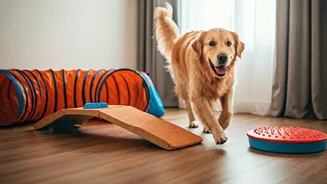
For years, the standard advice for a happy dog was simple: a good walk and a full food bowl. But as our understanding of canine psychology deepens, we’re learning that physical exercise is only half the story. Dogs, much like humans, need mental stimulation
to thrive. This is where the concept of ‘enrichment’ comes in. Enrichment refers to activities that challenge a dog’s mind, engage their natural instincts like sniffing, licking, and foraging, and prevent the boredom that often leads to destructive behaviours. A bored dog is a mischievous dog, often finding its own ‘jobs’ to do—like redecorating your sofa or excavating your shoe collection.
Why Enrichment Is Not a Luxury
Living in apartments or dealing with weather that keeps you indoors—hello, monsoon season!—can make it difficult to keep a high-energy dog sufficiently tired. Enrichment toys are a powerful tool to combat this. By making your dog work for their food or treats, you are tapping into their innate problem-solving abilities. A 15-minute session with a puzzle toy can be more tiring for a dog than a 30-minute walk, as it requires intense focus. This mental workout helps reduce anxiety, build confidence, and provides a healthy outlet for pent-up energy, resulting in a calmer, happier, and better-behaved companion.
The Peanut Butter Power-Up
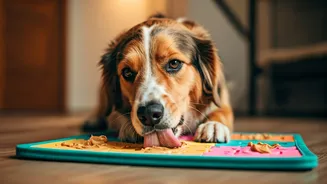
So, where does peanut butter fit in? It's the perfect partner for enrichment toys. Dogs are overwhelmingly drawn to its smell and taste, making it a high-value reward that motivates them to engage with a toy. Its sticky, spreadable texture is ideal for smearing inside grooved toys or on licking mats, forcing your dog to spend significant time licking and working to get every last bit. This simple act of licking is naturally calming for dogs, releasing endorphins that help them relax. It transforms a simple snack into a prolonged, satisfying activity.
A Critical Safety Warning
Before you grab any jar of peanut butter, there is one crucial ingredient to check for: xylitol. Xylitol is a sugar substitute found in some 'sugar-free' or 'low-calorie' peanut butters and other human foods. It is extremely toxic to dogs, even in small amounts, and can cause a rapid, life-threatening drop in blood sugar and liver failure. Always read the ingredient list carefully. Look for a natural peanut butter that contains only peanuts and perhaps a little salt. When in doubt, choose a brand specifically formulated for dogs or stick to one you know is safe. Your veterinarian can always recommend safe options.
Your Guide to Enrichment Toys
The market is filled with great options, but they generally fall into a few key categories:
1. Fillable Rubber Toys: The classic KONG is the most famous example. These durable, cone-shaped rubber toys have a hollow centre that can be stuffed with peanut butter, kibble, or other treats. They bounce unpredictably, adding another layer of fun.
2. Licking Mats: These are flat silicone mats with textured surfaces. You spread peanut butter across the mat, and your dog has to lick it out of the nooks and crannies. They are fantastic for calming anxious dogs during grooming, bathing, or thunderstorms.
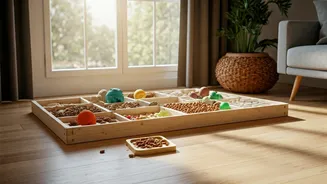
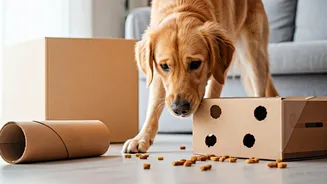
3. Puzzle Feeders and Snuffle Mats: These toys require dogs to slide panels, lift cones, or use their nose to push through fabric strips to find hidden treats. They turn mealtime into a brain game, slowing down fast eaters and satisfying their foraging instincts.
Pro Tips for Maximum Fun
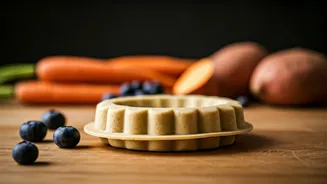
To keep things interesting, don't just stick to peanut butter. Mix it with plain yogurt, mashed banana, or pureed pumpkin. For an extra challenge on a hot day, stuff a toy and pop it in the freezer for a few hours to create a long-lasting 'pupsicle'. You can also hide several smaller filled toys around the house to create a scavenger hunt, engaging your dog’s powerful sense of smell. Remember to always supervise your dog with new toys and inspect them regularly for wear and tear to ensure they remain safe.