





Why Your Gut Needs Extra Care
The rainy season, for all its charm, brings challenges for our digestive health. High humidity can slow down our metabolism and digestive processes. Ayurvedic principles suggest our digestive fire, or 'Agni', naturally weakens during this time. This slowdown
can lead to bloating, acidity, and indigestion. Furthermore, the damp environment is a breeding ground for bacteria and viruses, increasing the risk of water and food contamination, which can lead to stomach infections. This makes mindful eating not just a choice, but a necessity to enjoy the season without falling ill.
Embrace the Classics: Roasted Corn
The sight of a street vendor roasting bhutta (corn on the cob) is a quintessential monsoon scene. This snack is not just nostalgic; it's also a healthier choice. Roasted or boiled corn is rich in fibre, which aids digestion. Unlike deep-fried snacks, it is light on the stomach. When seasoned with a squeeze of lemon, a pinch of salt, and spices, it becomes a flavourful treat that's easy to digest. Opting for corn you can roast or boil at home ensures it's prepared hygienically, steering clear of potential contamination from street stalls.
Warmth in a Bowl: Soups and Broths
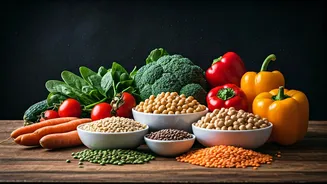
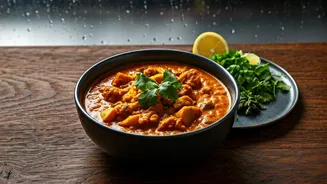
A steaming bowl of soup is the ultimate comfort food on a rainy day. Light vegetable or lentil soups are not only hydrating but also incredibly easy to digest. Incorporating immunity-boosting spices like ginger, garlic, and turmeric can do wonders. Ginger is known to aid digestion and fight infections, while garlic has antimicrobial properties. Turmeric is a powerful anti-inflammatory. A simple tomato, mixed vegetable, or moong dal soup can be both nourishing and satisfying, providing essential nutrients while keeping your gut happy.
Steamed Over Fried: The Smart Switch
While the heart craves pakoras, your stomach will thank you for choosing steamed alternatives. Fried foods can be heavy and lead to bloating, especially when digestion is already sluggish. Steamed snacks like dhokla, idli, or vegetable momos are excellent choices. These items are light, non-greasy, and easy on the digestive system. Fermented foods like idli and dhokla also provide probiotics, which are beneficial for gut health. If you must have pakoras, consider making them in an air fryer or baking them to cut down on oil.
Light and Crunchy: Roasted Snacks
When you need a quick, crunchy bite, turn to roasted snacks instead of packaged chips. Roasted makhana (fox nuts) are a fantastic option; they are low in calories, high in protein, and easy to prepare at home. A light roasting with a tiny bit of ghee and spices makes them delicious. Similarly, roasted chana (chickpeas) is packed with fibre and protein, helping you stay full without feeling heavy. Even a handful of masala-roasted nuts like almonds can be a satisfying and nutritious snack.
Foods to Limit This Season
Being mindful also means knowing what to avoid. It’s best to steer clear of street food, especially items like chaat and pre-cut fruits, due to the high risk of water contamination. Leafy green vegetables, while normally healthy, can be difficult to clean thoroughly during the monsoon and may carry germs. It's also wise to limit heavy, oily, and excessively spicy foods that can tax your digestive system. Seafood should also be consumed with caution, as the monsoon is a breeding season for fish, which can affect their freshness and safety.