




Why Moisture Is the Enemy of Good Leftovers
The science behind soggy leftovers is simple. When you heat food, the water inside it turns into steam. In a closed environment like a microwave or a covered container, that steam has nowhere to go. It condenses back onto the surface of your food, turning
crispy coatings into a damp, chewy disappointment. An oven, on the other hand, cooks with dry, hot air, which heats the food from the outside in. This process drives moisture away from the surface, allowing it to become dry and crispy again. The goal, therefore, isn't to eliminate moisture entirely, but to control it. You want to heat the food through while allowing the steam to vent away, preserving the texture you loved the first time.
Your Best Tools for a Crispy Revival
Your choice of appliance is the single most important factor in defeating sogginess. The oven and its modern cousin, the air fryer, are the undisputed champions. Both work by circulating hot, dry air, which is perfect for dehydrating the surface of foods and bringing back their crunch. An oven set to a moderate temperature (around 175°C) will gently reheat food while crisping it up. An air fryer does this even faster, making it ideal for smaller portions of things like fries or fried chicken. The stovetop is another excellent option, offering direct heat that can re-sear proteins and toast breaded surfaces. A non-stick or cast-iron skillet gives you great control and can revive a slice of pizza to near-perfection.
Bringing Back the Crunch: Pizza, Fries, and Fried Foods
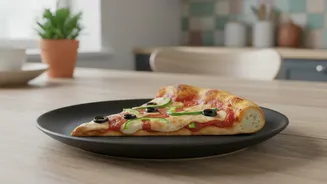
For foods that are defined by their crispiness, avoiding the microwave is paramount. Fried chicken, for instance, should be brought to room temperature before being reheated. Place it on a wire rack set on a baking sheet and heat it in an oven at around 175-200°C for 25-30 minutes. The wire rack is crucial as it allows hot air to circulate underneath, preventing the bottom from becoming steamy and soft. The same principle applies to French fries, which are best revived in an air fryer or a hot oven. For leftover pizza, a dry skillet on the stovetop over medium-low heat works wonders. Place the slice in the pan, cover it for a few minutes to melt the cheese, and then uncover it to let the bottom crust crisp up.
The Exception: Reheating Rice and Pasta
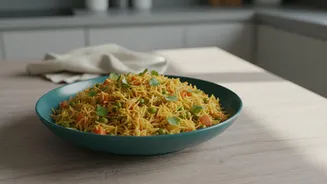
While removing moisture is key for crispy foods, some leftovers need a little help in the hydration department. Rice and pasta are the primary examples. When refrigerated, their starches can harden and dry out. The goal here is to gently re-steam them. For rice, place it in a microwave-safe bowl, sprinkle it with a few tablespoons of water, and cover it with a damp paper towel. Heat it in short intervals, fluffing with a fork in between, until it’s soft and hot. For pasta, the best method is to toss it in a skillet over medium heat with a splash of water or some of its sauce. This rehydrates the noodles while warming them through, preventing the rubbery texture that microwaves can create.
When the Microwave Is Actually Your Friend
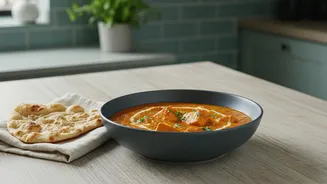
Despite its reputation for creating soggy meals, the microwave has its place. It excels at reheating foods with high moisture content where texture isn't a primary concern. Soups, stews, sauces, and gravies are perfect candidates; in fact, they should be brought to a rolling boil to ensure they are safely heated. For casseroles or other dense dishes, the microwave is a fast option. To ensure even heating and prevent dry edges, arrange the food in a ring on a microwave-safe plate, cover it with a vented lid to let some steam escape, and use a lower power setting for a longer time. This gentle approach helps to warm the food more evenly without overcooking the outside before the inside is hot.