





The Cost Equation: Sticker Price vs. Total Outlay
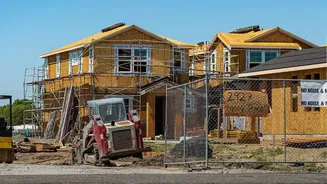
On the surface, new-build flats often appear more expensive, carrying a premium for their modern construction and untouched interiors. Buyers of under-construction properties may also have to pay GST, which is not applicable to redeveloped or resale homes.
However, new projects can offer flexible, construction-linked payment plans, easing the immediate financial burden. Redeveloped properties, often located in prime, established areas, might seem more affordable upfront, with more room for price negotiation with the individual owner. But buyers must budget for potential hidden costs. These can include significant expenses for renovation, updating ageing plumbing or wiring, and higher initial maintenance. For a redeveloped property, the total cost of acquisition isn't just the sale price, but the price plus the cost to make it perfectly yours.
Legal Safeguards: RERA vs. Redevelopment Due Diligence
This is where the two options diverge significantly. For new construction, the Real Estate (Regulation and Development) Act, or RERA, provides a powerful safety net. RERA mandates that developers register their projects, adhere to promised timelines, and maintain quality. It also requires 70% of buyer funds to be kept in a separate escrow account for that specific project, reducing the risk of funds being diverted. If there are structural defects within five years of possession, the developer is liable to fix them at no cost. For redeveloped properties, the due diligence is more complex and falls heavily on the buyer. It's crucial to investigate the Development Agreement between the original housing society and the builder. You must verify the project has all its approvals, that the society's consent was legally obtained, and that the developer has a clean track record. RERA registration is also mandatory for redevelopment projects, so checking the project's status on the state RERA website for details on timelines is a must.
Quality, Amenities, and Lifestyle
New flats promise modern living. They are designed with contemporary layouts, energy-efficient systems, and amenities like gyms, swimming pools, and clubhouses built-in from the start. Everything is new, which generally means lower maintenance costs for the first few years. Some builders also offer customisation options for flooring or fixtures if you book early. Redeveloped buildings offer a different kind of lifestyle advantage: location. These projects are typically situated in well-established neighbourhoods with mature social infrastructure — schools, hospitals, and markets are already in place. The new building itself will be modern and safe, often providing residents with a larger carpet area than their original homes. However, the scope of amenities might be limited by the size and constraints of the plot.
Timelines and Risks: The Waiting Game
If you need to move in quickly, a redeveloped property that is ready for possession is the clear winner. However, the path to redevelopment can be long and fraught with risk. Delays are common due to issues with approvals, disputes between society members and the developer, or the developer's financial instability. Existing owners often face a long wait, living in temporary accommodation while construction is underway. Under-construction new flats also come with a waiting period, but RERA provides stronger recourse for delays, entitling buyers to compensation or a refund. The primary risk in a new project is the timeline, whereas in a redevelopment, the risks are layered, involving not just construction timelines but also complex legal and interpersonal dynamics between the original residents and the builder.