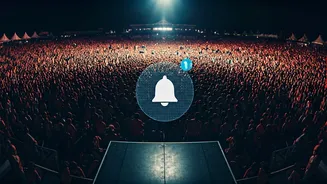









The Danger of an Information Vacuum
At any large-scale event, a lack of clear, authoritative information is one of the biggest risks. When official channels are silent, attendees naturally turn to each other and to social media, creating a fertile ground for misinformation. An out-of-context
video, a mistaken rumour about an artist cancellation, or an exaggerated report of overcrowding can spread through a dense crowd in minutes. This isn't just about inconvenience; it can have serious safety implications. Panic, crowd surges, and misdirection during an emergency are often fuelled by false or incomplete information. History has shown, from the logistical collapse of Fyre Festival to more tragic crowd-related incidents, that a failure to communicate can turn a manageable issue into a disaster.
The Modern Communication Toolkit for Organisers
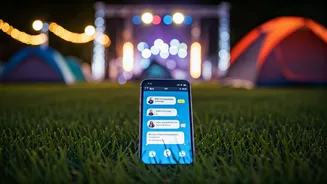
Fortunately, event organisers now have a robust set of tools to manage the flow of information. The key is a multi-channel approach that doesn't rely on a single point of failure. The cornerstone of a modern communication strategy is a dedicated festival mobile app. These apps can send real-time push notifications directly to attendees' phones, bypassing the noise of social media feeds. This is crucial for urgent alerts regarding weather, security, or evacuations. These digital tools are supplemented by on-site assets. Large LED screens, clear and visible signage, and a public address (PA) system are essential for reaching people who may have poor cell service or haven't downloaded the app. Behind the scenes, a well-trained staff equipped with two-way radios ensures that everyone from security to medical personnel is operating with the same information, allowing for a coordinated response.
Your Festival Safety Checklist
While organisers hold the primary responsibility, attendees can also take proactive steps to ensure they stay informed and safe. Before you even arrive on site, your preparation should begin. First, identify and follow the festival's official sources. This includes their verified social media accounts and, most importantly, downloading the official event app if one is available. Allow push notifications so you don’t miss urgent alerts. Second, conserve your phone's battery. Your phone is your primary link to information. Carry a portable power bank, as charging stations are often crowded. Put your phone on low-power mode when you're not actively using it. Third, establish a plan with your friends. In a crowded space with unreliable cell service, it's easy to get separated. Designate a specific, easily identifiable meeting spot and a time to regroup in case you are separated or if there is an emergency. Do not choose a generic spot like "the main stage," but a specific landmark like "the left side of the third speaker tower." Finally, trust official sources over crowd rumours. If you hear conflicting information, check the festival's app or official social media feeds before acting on it.
Building a Culture of Trust
Effective communication is about more than just technology; it's about building trust. When festival-goers know there is a reliable place to get information, they are less likely to panic or follow bad advice. This involves organisers being transparent and timely with updates, even when the news is bad, such as a weather delay or a cancelled performance. Acknowledging an issue and providing clear instructions demonstrates respect for the attendees and shows that their safety and experience are the top priority. In turn, when an emergency does occur, the crowd is conditioned to look to these official channels for guidance. This symbiotic relationship between prepared organisers and informed attendees is the bedrock of a safe and successful event.