




The Unseen Danger in Your Garden
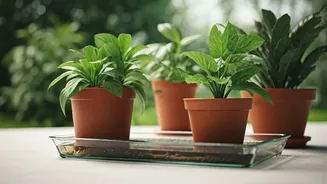
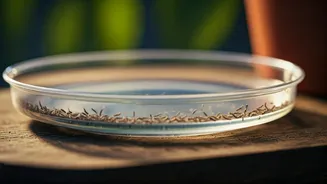
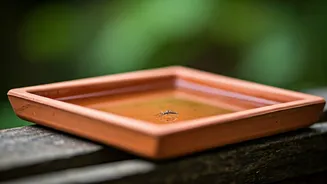
It’s a common misconception that mosquitoes need large bodies of water like ponds or puddles to breed. In reality, the female Aedes mosquito, a primary carrier of several diseases, can lay her eggs in as little as a capful of stagnant water. The trays
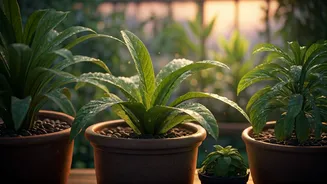
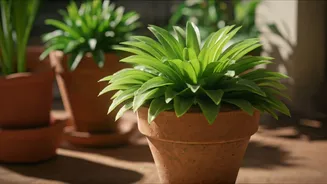
and saucers placed under potted plants to catch excess water are often the most overlooked breeding sites in a home. After you water your plants, this small pool of water remains, creating a stable, protected environment. Within a week, mosquito eggs can hatch into larvae and develop into flying, biting adults, turning your decorative planter into a constant source of new mosquitoes.
A Tiny Pest, A Major Threat
The main culprit breeding in these domestic containers is the Aedes aegypti mosquito. This isn't just an insect that leaves an itchy bite; it is the principal vector for dengue, chikungunya, and Zika viruses. These diseases are a significant public health concern across India, with cases often surging during the monsoon and post-monsoon seasons when environmental conditions are ideal for mosquito proliferation. Symptoms can range from high fever and debilitating joint pain to more severe, life-threatening complications. Recognising that the danger can start right on your windowsill or balcony is the first step toward effective prevention.
The Golden Rule: Eliminate Stagnant Water
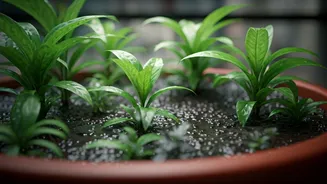
The single most effective way to stop mosquitoes is to deny them a place to breed. This requires consistent water management. At least once a week, make it a habit to empty the saucers under all your plant pots and wipe them dry to remove any eggs that may be stuck to the surface. If completely removing the water is not practical, you can fill the saucers with sand or gravel. This allows excess water to drain away from the plant's roots while preventing any pools from forming on the surface where larvae could survive. Also ensure your pots have adequate drainage holes so soil does not become waterlogged.
Checking Other Hidden Household Hotspots
Mosquitoes are resourceful and will take advantage of any standing water they can find. While you're checking your plant pots, expand your search to other common but often ignored hotspots around your home. These include air cooler trays, refrigerator defrost pans, blocked roof gutters, pet water bowls, and any discarded items like old tyres, buckets, or coconut shells that can collect rainwater. Even the cups of bromeliad plants can hold enough water for mosquitoes to breed in. Regularly cleaning and emptying these potential nurseries is just as important as managing your plant saucers.
Natural Defences for Your Home and Garden
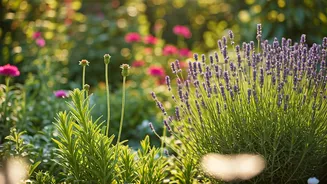
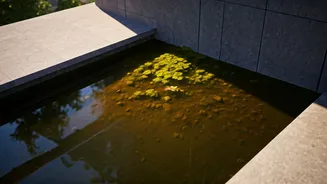
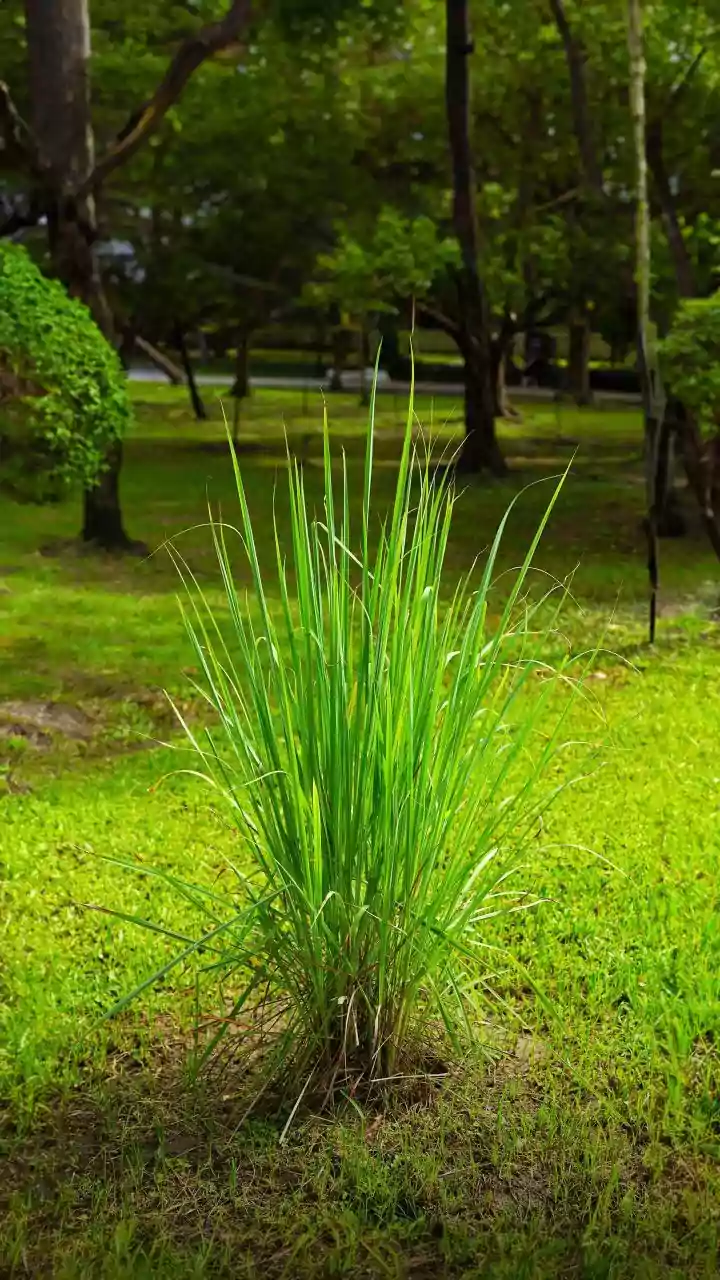
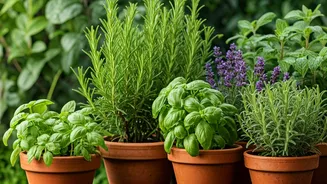
Beyond water management, you can make your home and garden less attractive to mosquitoes. Certain plants are known to naturally repel these insects. Consider planting lemongrass, citronella, marigold, lavender, or mint in your garden or on your balcony. For any standing water that cannot be easily removed, such as in ornamental ponds or fountains, using larvicides can be an effective solution. Products containing Bti (Bacillus thuringiensis israelensis), a naturally occurring bacterium, are deadly to mosquito larvae but are harmless to people, pets, plants, and other wildlife. A few drops of neem oil can also act as a natural larvicide in small water bodies.