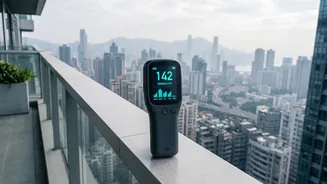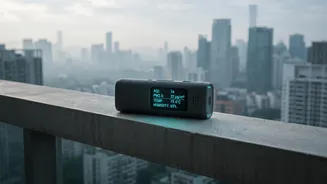







Festive seasons in India bring joy, family, and celebration. But they also bring a sharp rise in air pollution, turning your healthy morning fitness routine into a potential health risk. Here’s why and how your family can adapt.
The Festive Air Quality Challenge
Across India, festivals
are often marked by celebrations that, unfortunately, contribute to a significant dip in air quality. The widespread use of firecrackers during events like Diwali releases harmful pollutants, including particulate matter (PM2.5), sulfur dioxide, and nitrogen oxides, into the atmosphere. This situation is often made worse during the winter months when cooler temperatures and lower wind speeds trap these pollutants closer to the ground, creating a thick layer of smog over many cities. This combination of festive emissions and seasonal weather patterns means the air your family breathes during a morning walk or run can be dangerously polluted.
Exercising in Polluted Air: The Hidden Risks
When you exercise, your breathing rate increases, causing you to inhale more air—and more pollutants—deeper into your lungs. Engaging in physical activity when the air quality is poor can lead to a range of health issues. These include immediate effects like coughing, sore throat, and headaches, as well as more serious long-term risks. For children, the elderly, and individuals with pre-existing conditions like asthma or heart disease, these risks are even greater. Studies show that exposure to high levels of pollutants during exercise can increase cardiovascular stress, impair lung function, and even reduce the overall benefits of your workout.
Understanding the Air Quality Index (AQI)
The Air Quality Index, or AQI, is a simple, colour-coded tool that helps you understand how polluted the air is. It measures major pollutants and consolidates them into a single number with a corresponding category, from 'Good' to 'Hazardous'. The categories are generally: Good (0-50), Moderate (51-100), Unhealthy for Sensitive Groups (101-150), Unhealthy (151-200), Very Unhealthy (201-300), and Hazardous (301+). This 'One Number, One Colour, One Description' system makes it easy for anyone to quickly assess the potential health risk.
How to Easily Check Your Local AQI
Staying informed about your local air quality has never been easier. Several reliable apps and websites provide real_time AQI data for cities across India. The government's own SAFAR (System of Air Quality and Weather Forecasting and Research) and the CPCB's Sameer app are excellent resources. Many general weather apps and even a simple Google search for 'AQI in my city' will give you instant results. For more detailed data, platforms like AQI.in and IQAir offer comprehensive monitoring. Making it a habit to check one of these before heading out is a simple and effective first step.
Planning Your Fitness Around the AQI
Once you know the AQI, you can make an informed decision. If the AQI is 'Good' (0–50), it's a great day to be active outside. In the 'Moderate' range (51–100), outdoor exercise is generally safe, but sensitive individuals should be cautious. When the AQI enters the 'Unhealthy for Sensitive Groups' orange zone (101–150), healthy adults might consider a less intense workout, while sensitive groups should move their activities indoors. If the AQI is 'Unhealthy' (151) or worse, everyone should avoid strenuous outdoor exertion and opt for indoor alternatives. Postponing or modifying your routine is not a sign of weakness, but a smart decision for your longterm health.
Safe and Effective Indoor Alternatives
When the air outside is hazardous, bring your fitness routine inside. There are plenty of effective options that require little to no equipment. Bodyweight circuits involving squats, pushups, and planks can provide a great fullbody workout. Yoga and Pilates are excellent for improving flexibility, strength, and can help with breathing techniques. Other options include jumping rope, dance workouts like Zumba, or using a stationary bike if you have one. These activities ensure you stay active and consistent with your fitness goals without compromising your respiratory health.