








The Government’s Big Push: UDAN Takes Flight
A significant driver behind this shift is the government's Regional Connectivity Scheme, known as UDAN (Ude Desh ka Aam Nagrik). Launched in 2016, its goal was to make air travel affordable and accessible to the common citizen by connecting unserved and underserved
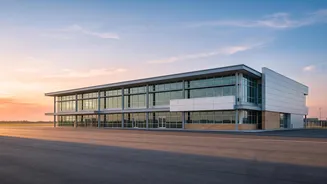
airports. By July 2026, the scheme had already operationalised hundreds of new routes, connecting 95 airports, heliports, and water aerodromes. Building on this success, the government approved a Modified UDAN scheme in March 2026, committing a substantial ₹28,840 crore over ten years. This new phase aims to develop 100 more airports, mostly from existing but unused airstrips, further deepening the aviation network into India's hinterland. This policy acts as a powerful catalyst, creating the essential infrastructure and financial viability for airlines to venture into these new markets.
A New Class of Fliers Emerges
The demand for these new routes is not just a result of government supply. It's being met by a burgeoning market of new fliers in Tier-2 and Tier-3 cities. Rising incomes, a growing middle class, and increasing aspirations have created a powerful demand for faster travel. For many, a two-hour flight is replacing a gruelling 14-hour road or rail journey. This demographic shift is significant; while Tier-1 cities accounted for 78% of passenger traffic in 2019, that figure dropped to 68% by 2024, highlighting the growing contribution of smaller cities. This isn't just about leisure travel; improved connectivity stimulates local economies, allowing businesses to commit to meetings, enabling access to specialized healthcare, and boosting tourism.
Airlines Seize the Opportunity
Airlines, both new and established, are strategically responding to this opportunity. While major carriers continue to dominate metro routes, a clear focus on regional expansion is evident. Regional airline Fly91, for example, placed a landmark order for 40 ATR 72-600 turboprop aircraft on September 3, 2026, a move aimed squarely at connecting smaller cities. Turboprops are economically suited for shorter routes and can operate from runways that are not viable for larger jets like the Airbus A320 or Boeing 737. This allows airlines to access a much larger pool of the country's 160-plus operational airports, many of which are currently underserved by larger planes. Established players like Air India are also creating hub-and-spoke models from non-metro airports like Ahmedabad and Varanasi to streamline international connections for passengers from smaller towns.
The Ripple Effect on Local Economies
The arrival of an airport does more than just move people; it acts as a powerful economic engine. New airports are becoming growth magnets, spurring development in surrounding areas. The improved connectivity attracts investment in hospitality, logistics, and retail, creating jobs and boosting demand for both commercial and residential real estate. Cities like Chennai, Pune, and Rajkot are already seeing this transformation. This airport-led development creates a virtuous cycle: as a region becomes more economically active, it generates more demand for air travel, which in turn justifies further investment in connectivity. The airport evolves from a simple transit point into a destination and an integrated economic hub in its own right.
Navigating the Inevitable Headwinds
Despite the immense potential, the path to regional aviation growth is not without challenges. The history of Indian aviation is littered with regional carriers that have struggled with profitability. Many routes under the UDAN scheme depend on Viability Gap Funding from the government to remain sustainable, highlighting the delicate financial balance. Furthermore, while new airports are being developed, issues like a shortage of trained flight crews and maintenance engineers, along with volatile fuel prices, remain persistent risks for the industry. The long-term success of this expansion will depend on turning government-supported routes into self-sustaining commercial successes, a test that will unfold over the next decade as a new generation of aircraft and airports comes online.