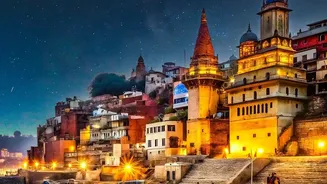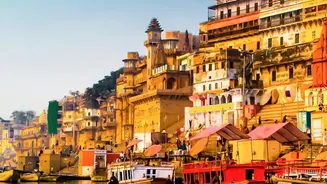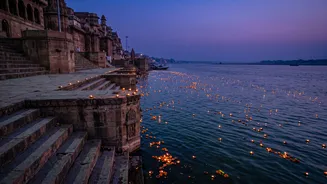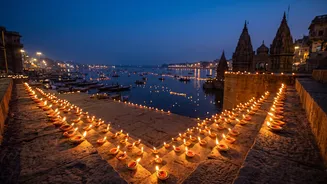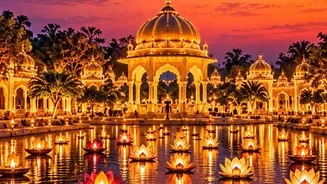

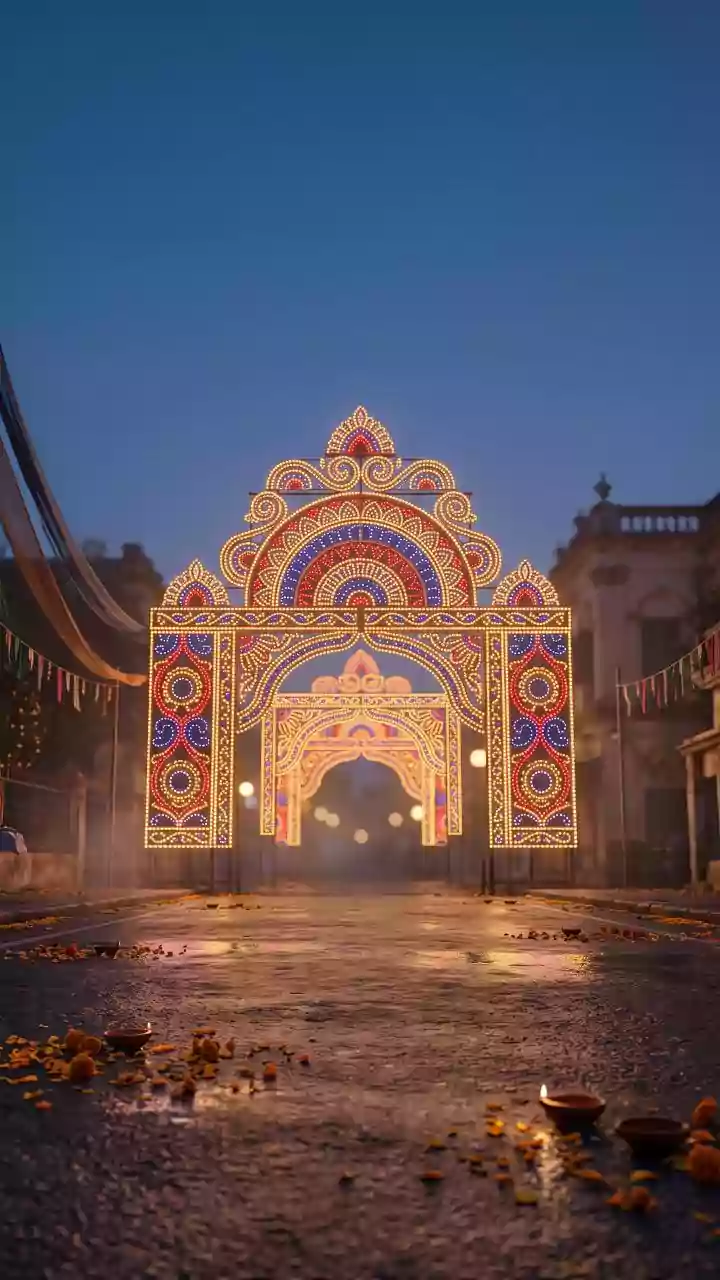
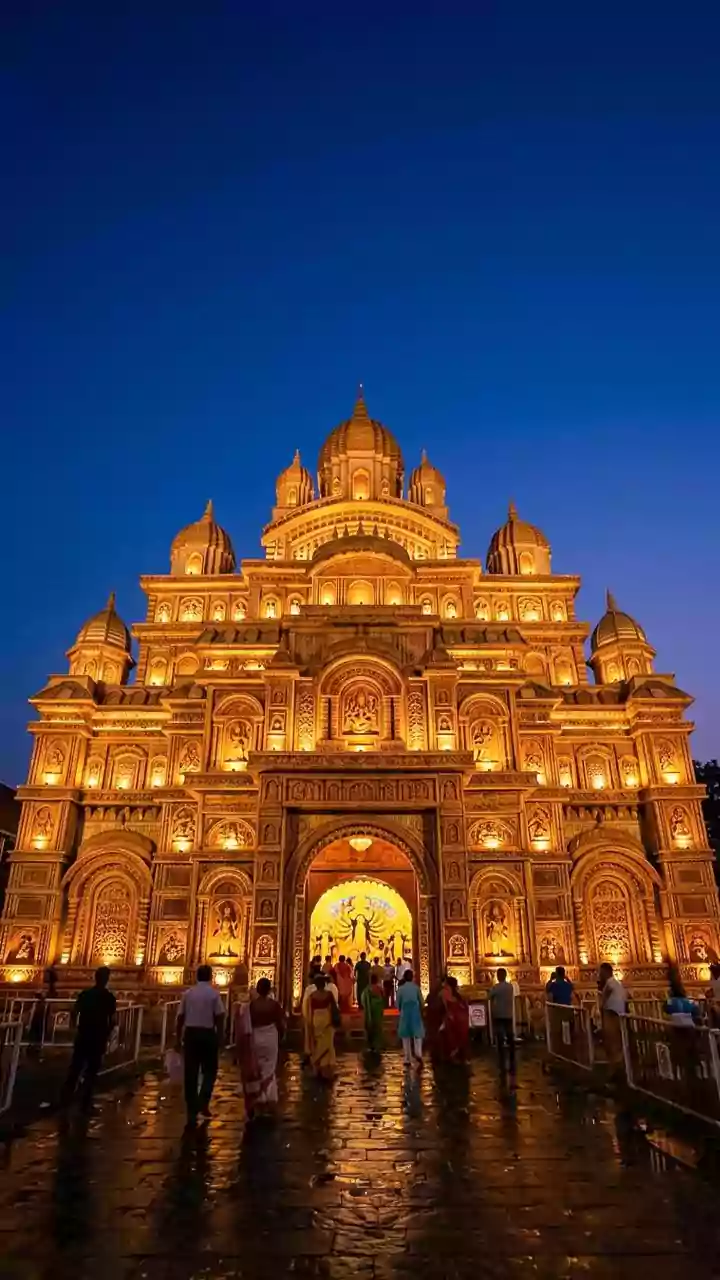
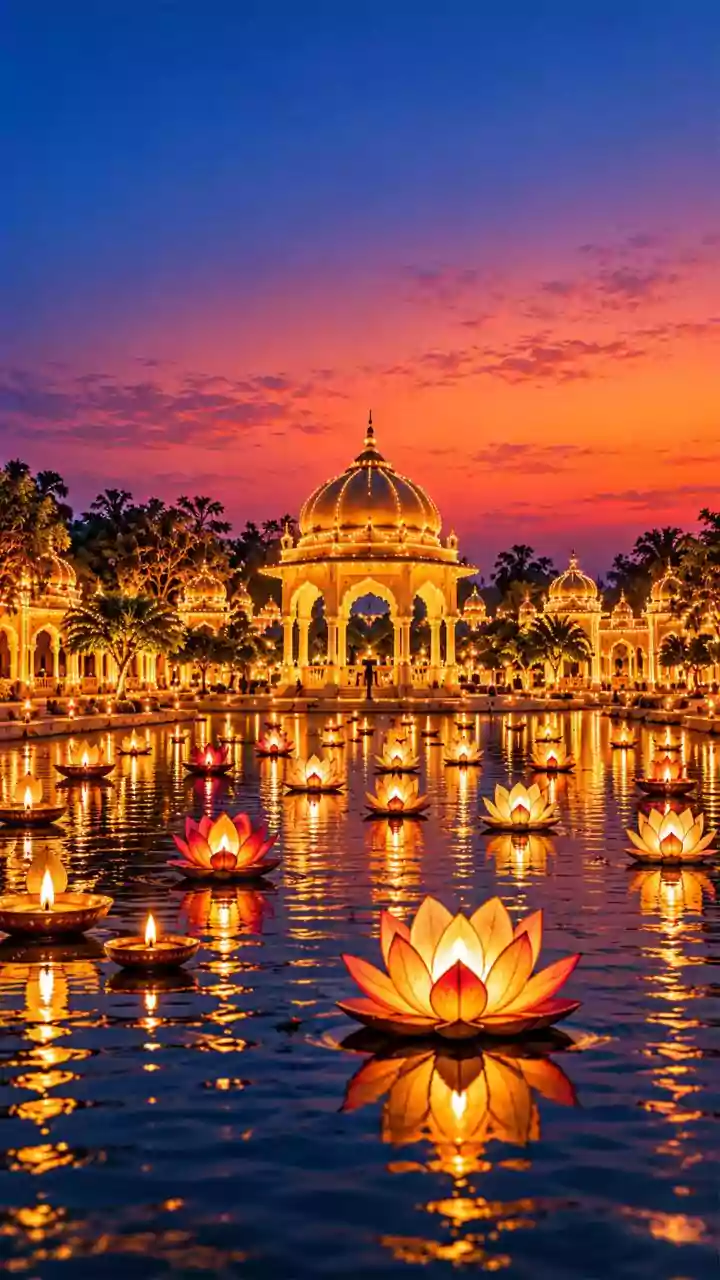


Every year, fifteen days after Diwali, the ancient city of Varanasi transforms into a celestial river of light. This is Dev Deepawali, when millions of earthen lamps, or diyas, illuminate the ghats of the Ganges in a breathtaking spectacle.
The Diwali of the Gods
Dev Deepawali,
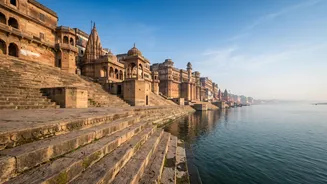
translating to the 'Diwali of the Gods', is a festival celebrated with unparalleled grandeur in Varanasi. It falls on Kartik Purnima, the full moon day of the Hindu month of Kartik. In 2026, this luminous festival will be observed on Tuesday, November 24. Unlike the nationwide celebration of Diwali, Dev Deepawali is uniquely centred on Varanasi's sacred geography. The core belief is that on this auspicious night, the gods and goddesses descend from the heavens to bathe in the holy waters of the Ganges. To welcome these divine beings, the city's 84 ghats, the long flights of steps leading down to the river, are decorated with millions of shimmering oil lamps, creating a mesmerising panorama of light.
A Victory for the Cosmos
The mythological origin of Dev Deepawali is tied to Lord Shiva and his victory over a trio of powerful demons. According to ancient texts, three demon brothers, collectively known as Tripurasura, gained immense power and created three invincible flying cities of gold, silver, and iron. Emboldened by a boon that they could only be destroyed by a single arrow when their cities aligned, they wreaked havoc across the universe. The beleaguered gods turned to Lord Shiva for help. Waiting for the precise cosmic alignment, which occurred only once every thousand years, Shiva unleashed a single fiery arrow, annihilating the demons and their cities. This triumph of good over evil is said to have occurred on Kartik Purnima. The gods, overjoyed, celebrated by illuminating Kashi (the ancient name for Varanasi) with lamps, a tradition that continues to this day.
Lighting the Way for the Divine
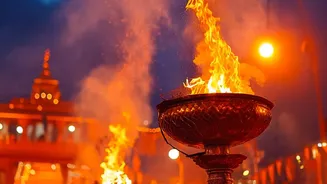
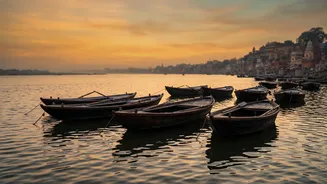
The primary purpose of lighting millions of diyas is to honour the gods. It's a grand, devotional welcome mat for the deities believed to be visiting the earthly realm. This act of offering lamps, known as 'deepdaan', is a central ritual of the festival. Devotees perform this act to show reverence to Goddess Ganga, the personification of the sacred river, and to please the visiting gods. The Ganga Aarti performed on this evening, especially at Dashashwamedh Ghat, is a spectacular ceremony involving large, ornate lamps, rhythmic chanting, and incense, witnessed by thousands of pilgrims and tourists from boats on the river.
A Guiding Light for Departed Souls
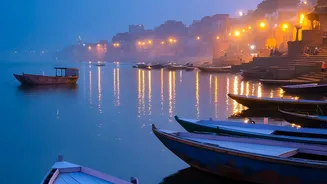
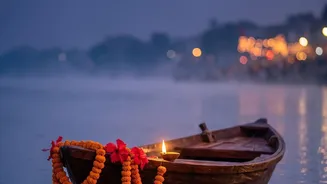
While the festival is a celebration for the gods, it holds a deeply personal significance for devotees concerning their ancestors. The act of lighting a lamp, especially during the holy month of Kartik, is rich with symbolism. It represents the dispelling of darkness and ignorance and the ushering in of light and wisdom. For many, this light is also intended for their 'pitrs', or departed ancestors. In Hindu tradition, lighting a lamp and setting it afloat on the sacred Ganges is seen as a way to illuminate the path for the souls of the deceased, offering them peace and guidance in the afterlife. The belief is that the flame carries prayers and respect, bridging the gap between the living and the dead. This act blends the grand, cosmic celebration of Shiva's victory with an intimate, personal ritual of remembrance, making it profoundly moving for participants.
A Spectacle of Faith and Culture
Dev Deepawali is more than just a set of rituals; it's a vibrant cultural festival. The fivenday celebrations known as Ganga Mahotsav often precede main event featuring classical music and dance performances from renowned artists. The entire riverfront from Ravidas Ghat to Rajghat becomes stage for this divine drama. In recent years festival has also incorporated tribute to martyrs with wreaths being laid and lamps lit in their honour adding layer to national sentiment to spiritual occasion. The sight of countless flames reflecting in gentle currents of Ganges sound of chants filling air and collective energy of thousands devotees create atmosphere that is both electric and deeply serene.