






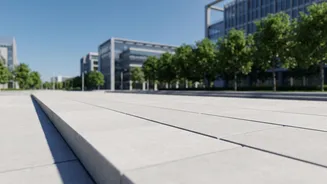
The Problem with Dark Pavements
Our cities are covered in dark surfaces. Roads, parking lots, and traditional asphalt surfaces absorb a huge amount of solar energy, between 80% to 95% of the sunlight that hits them. This absorbed energy doesn't just disappear; it heats the pavement
to extreme temperatures and then radiates back into the surrounding air, a process that continues long after sunset. This phenomenon is a primary driver of the urban heat island effect, where cities become significantly hotter than surrounding rural areas, increasing energy demand for cooling and impacting public health.
What Are Cool Coatings?
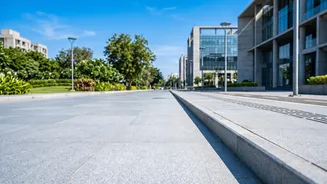
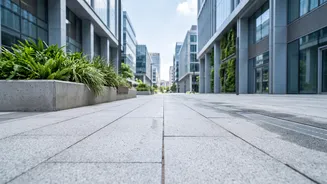
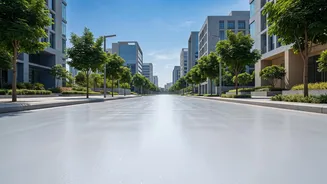
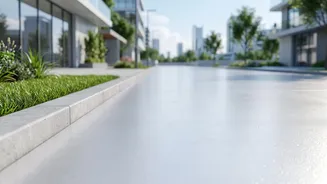
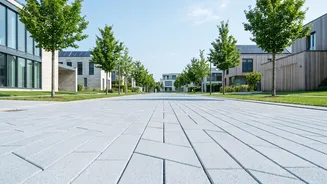
Cool pavements are a straightforward yet powerful solution. The most common approach involves applying a reflective coating over existing asphalt. These coatings are engineered to have a higher solar reflectance, or 'albedo', meaning they reflect more sunlight back into the atmosphere instead of absorbing it. The coatings are typically water-based and contain no harmful chemicals. While some cool pavements are simply lighter-colored concrete, advanced coatings use specialized reflective pigments and binders to achieve high performance. The term 'bio-engineered' often refers to using recycled or bio-based materials in the coating's formula, creating a greener product.
From Hot Surfaces to Cooler Air
The primary effect of these coatings is a dramatic reduction in surface temperature. Studies from pilot programs, such as those in Phoenix, Arizona, have consistently shown that treated surfaces can be 10-12°F (about 5.5-6.7°C) cooler than traditional asphalt during the hottest parts of the day. This prevents the pavement from acting as a massive heat sink. The more complex question is how this translates to cooler ambient air—the air we actually feel. Research indicates that while the effect on air temperature is more modest, it is beneficial. One comprehensive study in Los Angeles found that cool pavements could reduce ambient air temperatures by as much as 3.5°F (nearly 2°C) during an extreme heat event. When deployed at a large scale across a city, even a small reduction in air temperature can lead to significant energy savings from reduced air conditioning use.
Real-World Results and Challenges
Cities like Phoenix and Los Angeles have been pioneers, applying these coatings to hundreds of miles of city streets. The results show that the technology works in lowering surface temperatures significantly. However, it's not a silver bullet. One challenge is that reflecting all that sunlight can sometimes warm up pedestrians on the street, an effect known as increased radiant temperature. The placement is also critical; in dense urban canyons with tall buildings, the benefits are reduced. Furthermore, the effectiveness can decrease over time as dirt and wear reduce the coating's reflectivity, meaning maintenance is a factor. Despite these challenges, the overall impact is considered positive, with some studies projecting millions of dollars in annual energy savings for residents.
The Future in Indian Cities
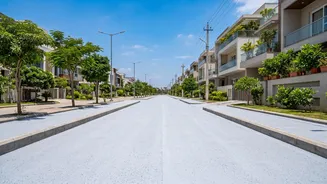
For India, where cities regularly face extreme heat waves, such solutions hold immense promise. Integrating strategies like cool pavements and reflective roofs is already part of national and local policy discussions to combat the urban heat island effect. While large-scale tree planting and green spaces are considered the most effective way to provide shade and cooling, they are not always feasible in dense urban cores. Cool pavements offer a complementary strategy that can be applied directly to existing infrastructure. As the technology becomes more affordable and durable, it represents a crucial tool for building more resilient and livable cities in a warming world.