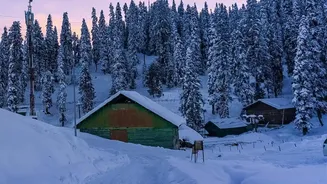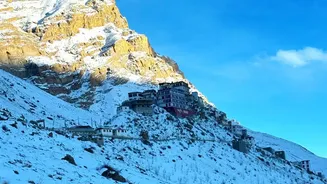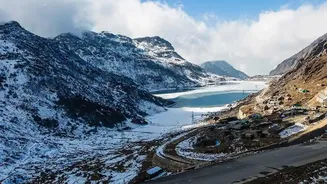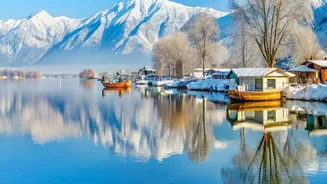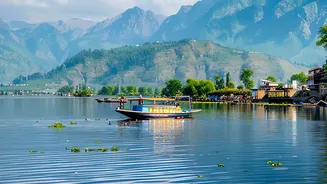



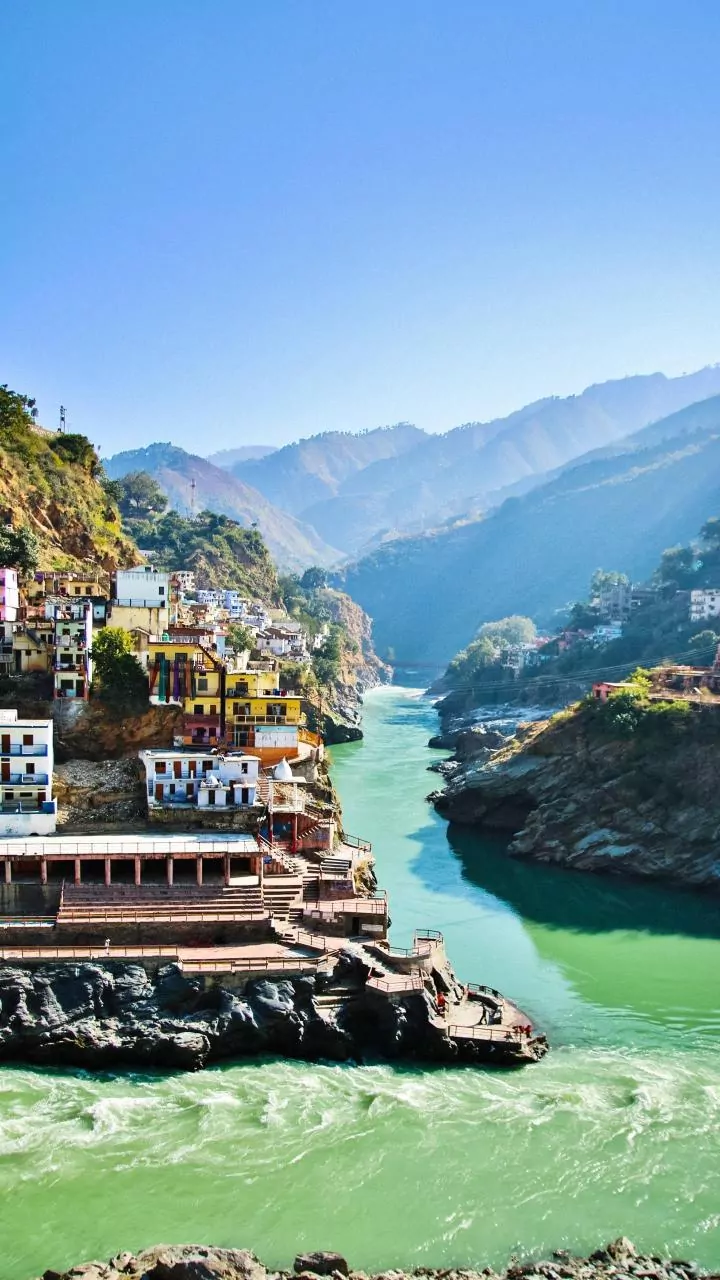

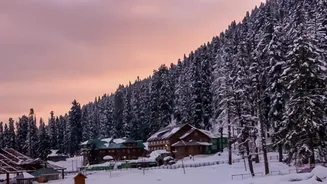
A Kashmiri winter, with its hushed, snow-covered landscapes, is a magical experience. Venturing beyond Gulmarg to places like Pahalgam and Sonamarg offers unique serenity, but requires careful planning for a safe and smooth journey.
Why Pre-Trip Checks Are Non-Negotiable
Winter in Kashmir is
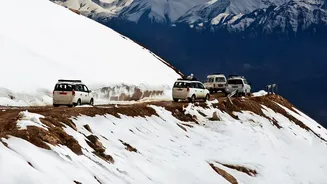
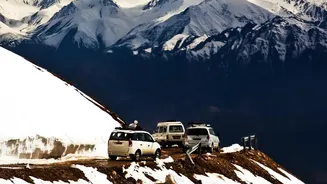
beautiful but demanding. Heavy snowfall, sub-zero temperatures, and the resulting travel disruptions are a reality. Key arterial routes can close with little warning. The famous Srinagar-Leh Highway, which passes through the high-altitude Zoji La pass, and the Mughal Road, connecting Shopian to Poonch and Rajouri, are typically shut for the winter months due to immense snow accumulation. The primary lifeline, the Jammu-Srinagar National Highway (NH-44), can also face temporary closures due to snowfall or landslides, particularly around the Ramban and Banihal sections. Therefore, checking conditions isn't just a suggestion; it's an essential part of your travel safety protocol to avoid getting stranded.
Your Guide to Reliable Weather Forecasts
Weather in the mountains is notoriously fickle. For the most accurate information, your primary source should be the India Meteorological Department (IMD). The IMD provides specific forecasts for cities like Srinagar and tourist towns like Pahalgam and Gulmarg. While popular international weather apps can provide a general idea, the IMD's regional centre often has more nuanced and reliable local predictions. Check the forecast not just before you leave home, but daily during your trip, especially before planning a day excursion. Pay attention to warnings about heavy snowfall or extreme temperature drops, as these will directly impact road accessibility and your personal comfort.
Navigating Road Closures and Conditions
The single most critical check before any road journey in Kashmir is the official road status. The J&K Traffic Police are the definitive authority on this. They issue daily advisories detailing the status of major routes like NH-44 and the Mughal Road. These updates are posted on their official website and social media channels, particularly X (formerly Twitter). These bulletins will inform you if a road is open, closed, or restricted to one-way traffic, which sometimes happens on NH-44 to manage congestion. Do not rely on Google Maps alone for winter travel times, as it cannot account for sudden closures or mandatory police checkpoints.
Destinations to Consider: Pahalgam and Sonamarg
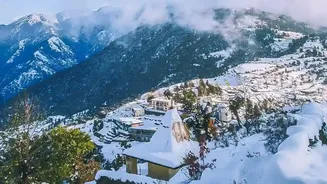
While Gulmarg is the epicentre of winter sports, other destinations offer a quieter charm. Pahalgam, the 'Valley of Shepherds', transforms into a tranquil wonderland with the Lidder River flowing past snow-covered banks. It’s generally accessible in winter, though access to its upper reaches like Aru and Betaab Valley must be confirmed locally as these roads can be snowbound. Sonamarg, the 'Meadow of Gold', was once largely inaccessible in deep winter. However, the opening of the Z_Morh tunnel provides more reliable all_weather connectivity to the town itself. The road beyond Sonamarg towards Zoji La Pass remains closed. Even with the tunnel, it's wise to check conditions before heading to Sonamarg, as extreme weather can still affect local access.
Leveraging On_the_Ground Local Knowledge
Official sources are vital, but local intelligence is invaluable. Your hotelier, tour operator, or taxi driver in Kashmir will have the most current, ground_level view of the situation. They hear about road conditions and accessibility in real_time from a network of other drivers and local contacts. Before starting a day trip to Pahalgam or Sonamarg, have a conversation with your driver. They will know if snow chains are required for the final ascent to Gulmarg from Tangmarg, a common police requirement after fresh snowfall, or if a particular road is developing black ice as temperatures drop. Trust their experience and be prepared to be flexible with your itinerary based on their advice.
Packing Smart for a Kashmir Winter
Your pre_trip checks should directly inform your packing list. Given the potential for sub_zero temperatures, packing in layers is crucial. Essential items include thermal wear, an insulated and waterproof outer jacket, gloves, a warm hat, and waterproof boots with good grip. Because road closures can lead to long hours in a vehicle and power cuts can be more frequent in severe weather, a fully charged power bank is a modern necessity. Also carry any essential medications, basic snacks, and water, especially for long road journeys. This preparation ensures you remain comfortable and safe even if you encounter unexpected delays.