







What is a 'Self-Transfer'?
A self-transfer, sometimes called a non-protected transfer, is an itinerary you build yourself by booking two or more separate flights to get to your destination. Unlike a traditional booking where the airline sells you one ticket for the entire journey
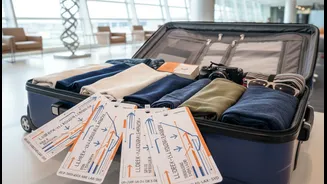
(e.g., Mumbai to London via Dubai), a self-transfer involves separate tickets for each leg. For example, you might book one ticket from Delhi to Istanbul on one airline and a second ticket from Istanbul to New York on another. While this can sometimes be cheaper, the key difference is responsibility. With a self-transfer, you are entirely responsible for making the connection. If your first flight is delayed and you miss the second, the second airline has no obligation to rebook you for free.
The Myth of Universal Airside Transit
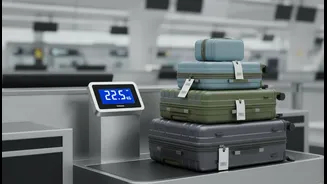
Many travellers assume they can simply walk from their arrival gate to their next departure gate without leaving the secure international zone of an airport. This is known as staying 'airside'. However, this is a dangerous assumption with a self-transfer. You are often forced to go 'landside'—meaning you must pass through immigration and passport control, collect your luggage, and officially enter the country. This can happen for several reasons. If you have checked baggage, you will almost always need to claim it from the baggage hall (landside) and then check it in again with your next airline. Furthermore, many airports are not designed for seamless airside transfers between all terminals, especially between those used by different, non-partner airlines. You might need to take a shuttle or even a taxi to a different building, which requires you to exit the secure zone.
The Visa Trap You Don't See Coming
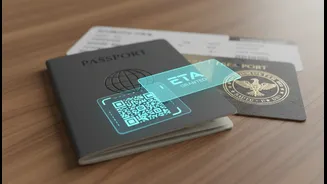
The biggest risk of being forced to go landside is the visa requirement. To pass through immigration, you must have the legal right to enter that country. For many nationalities, this requires a pre-arranged transit visa, or in some cases, a full tourist visa. Forgetting this step can lead to being denied boarding on your very first flight, as airlines are responsible for checking that you have the correct documents for all points on your ticketed journey. Countries like the United States, for instance, do not have sterile international transit zones; all passengers arriving on an international flight must clear immigration and customs, even if they have an immediate connecting flight to another country. Similarly, transiting the UK or the Schengen Area in Europe can require a specific transit visa depending on your nationality and the exact nature of your connection. You cannot assume that because you are only in the country for a few hours, you are exempt from its visa rules.
Budget Airlines and Online Booking Sites
The rise of self-transfer routes has been fuelled by budget airlines and online travel agencies that patch together flights from different carriers to offer the lowest possible price. These platforms will often flag an itinerary as a 'self-transfer' or 'unprotected connection', but the ultimate responsibility to understand the implications rests with the passenger. While some booking sites offer a form of 'transfer protection' for an extra fee, this may only cover rebooking you on another flight and won't solve the problem if you are turned away at check-in for lacking the necessary visa. The savings from a self-transfer deal can be instantly wiped out if you have to buy a last-minute ticket because you missed a connection or were denied boarding.
How to Protect Yourself Before You Book
Before you commit to a self-transfer itinerary, a few simple checks can save you from a travel nightmare. First, check your luggage plans. If you have bags to check, assume you will need to go landside to collect and re-check them. Next, research the specific airport layout. Are your arrival and departure flights in the same terminal? Is airside transit between those terminals possible? Most importantly, verify the transit visa requirements for the connecting country based on your nationality. Do not rely on forum posts or general advice; use the official embassy or consulate websites for the most accurate information. Finally, leave a generous layover time—experts recommend at least four to six hours for international self-transfers to account for potential delays, immigration lines, and re-checking security.