
A Mission of Immense Complexity
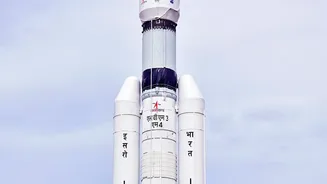
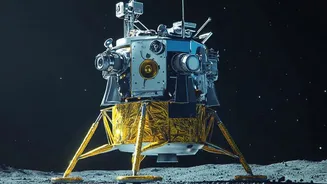
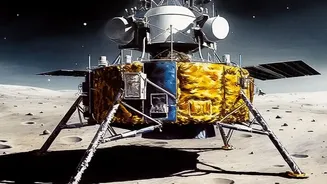
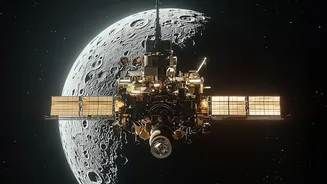
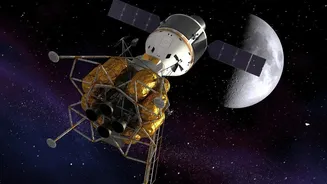
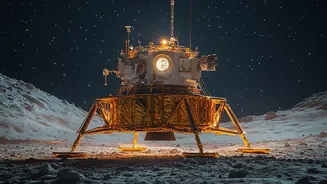
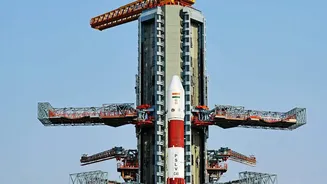
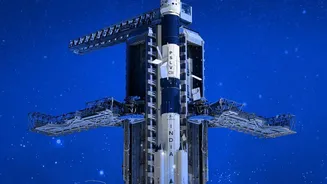
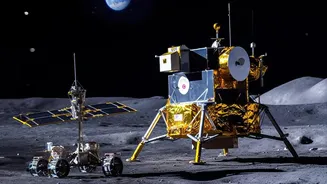
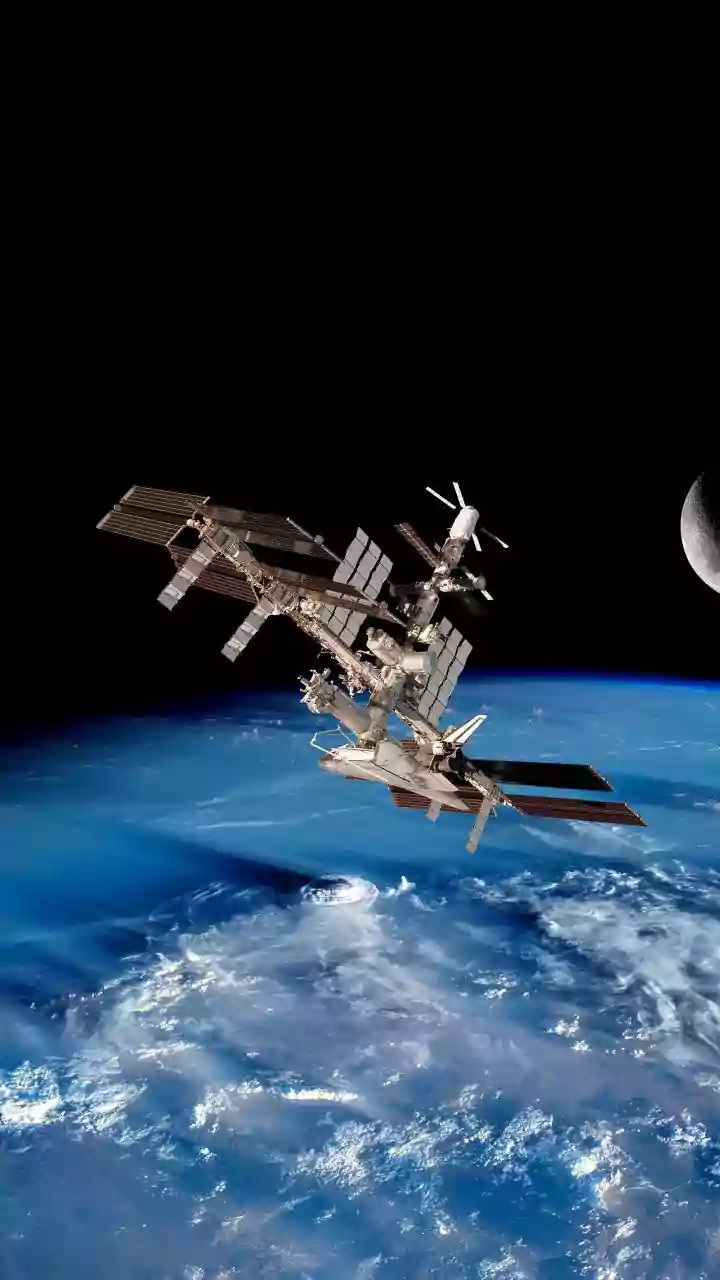
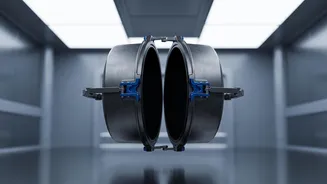
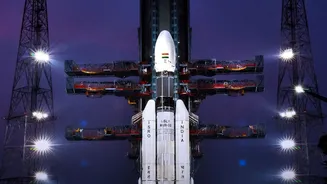
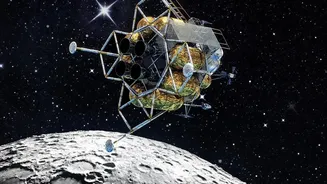
Successfully returning samples from the Moon is exponentially harder than just landing there. Chandrayaan-4 is designed as a multi-part mission involving at least five modules and two separate rocket launches. The plan involves a lander touching down
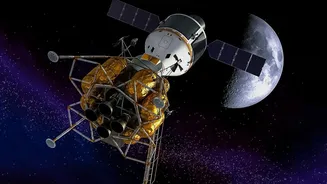
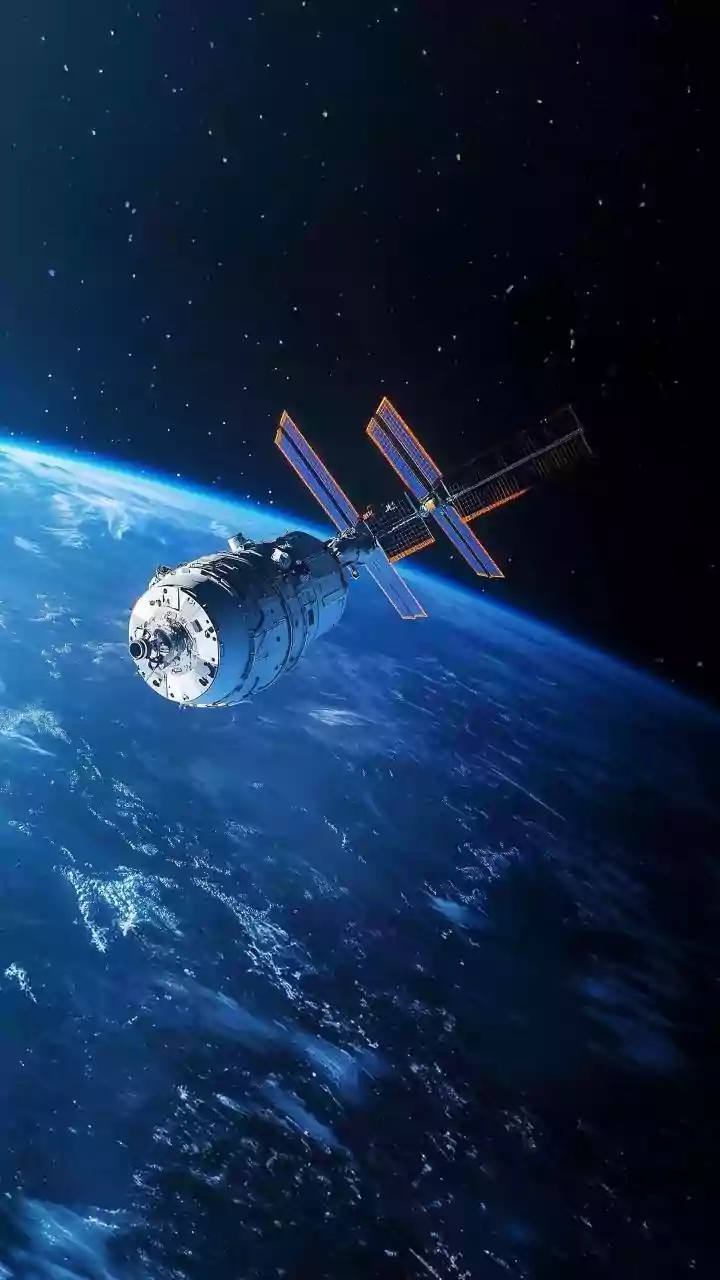
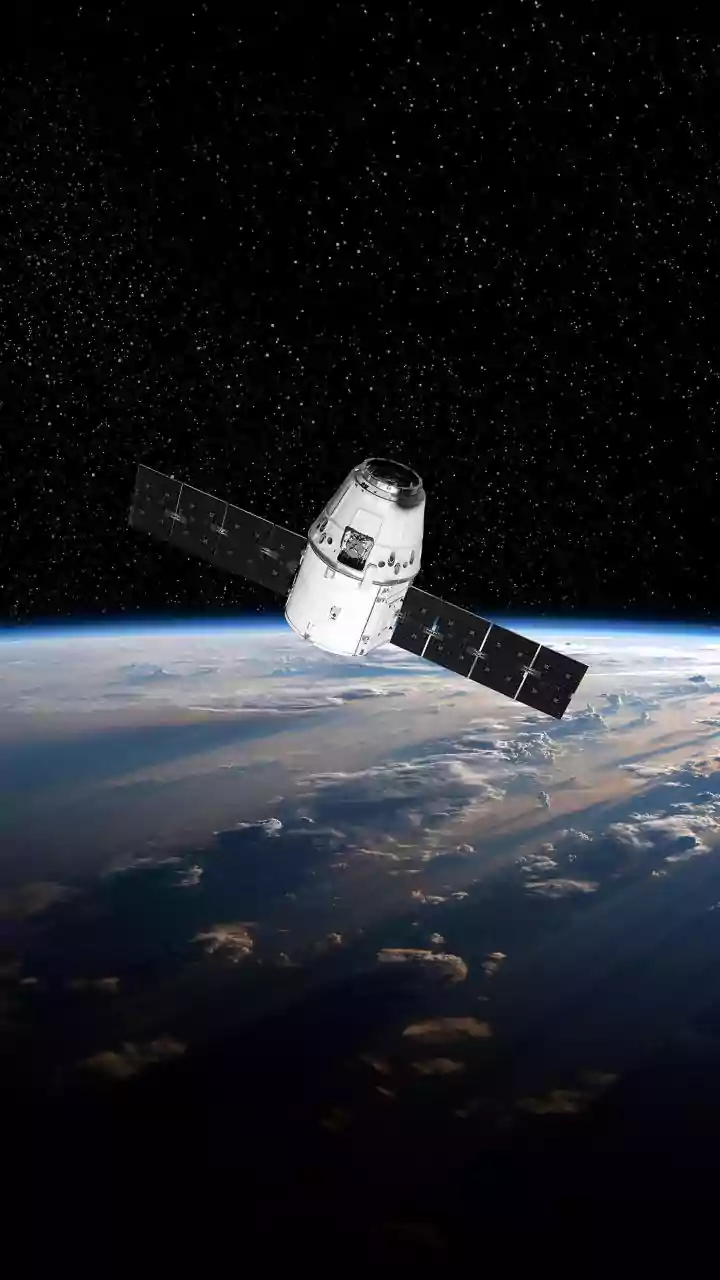
on the lunar surface, a robotic arm collecting soil and rock, and an ascender module blasting off from the Moon to rendezvous with an orbiting craft. This complex orbital ballet includes docking, transferring the precious cargo to a re-entry capsule, and guiding it safely back to Earth. The sheer number of critical steps, each a potential point of failure, makes a sample return mission a massive technological undertaking.
Joining an Elite Global Club
If successful, India will become only the fourth country in history to bring lunar samples back to Earth, joining the ranks of the United States, the former Soviet Union, and China. This achievement would cement India's position as a top-tier space-faring nation, demonstrating a level of technical mastery few have accomplished. The mission showcases a complete cycle of space exploration: launching, landing, operating, ascending from another celestial body, and returning. This capability is a crucial stepping stone, validating technologies essential for future, more ambitious endeavours, including sending Indian astronauts to the Moon.
The Scientific Jackpot: Lunar Water Ice
The primary reason the south pole is such a coveted destination is the confirmed presence of water ice. This ice is hidden in permanently shadowed regions (PSRs), craters where sunlight has not reached for potentially billions of years. This ancient ice is a scientific time capsule. Analyzing it on Earth could reveal secrets about the origin of water in our solar system, the history of comets and asteroids, and even the formation of our own planet's oceans. Bringing these frozen samples back intact is a major challenge, requiring them to be kept at cryogenic temperatures throughout the journey. Beyond science, lunar ice is a strategic resource. It can be processed into drinking water, breathable oxygen, and, crucially, hydrogen and oxygen for rocket fuel, making it a cornerstone for future lunar bases and missions to Mars.
Unlocking Secrets in the Soil
While ice is a major prize, the lunar soil, or regolith, is a treasure trove in itself. The samples brought back by the Apollo missions decades ago are still yielding new scientific discoveries. However, those samples came from the Moon's equatorial regions. The south pole offers a completely different and unexplored geology. Scientists believe the South Pole-Aitken basin, one of the largest and oldest impact craters in the solar system, holds materials from the Moon's deep crust and possibly even its mantle. Studying these pristine samples in advanced labs on Earth will provide unparalleled insights into the Moon's formation, the history of asteroid impacts in the inner solar system, and the fundamental differences between the Moon's near and far sides.
Paving the Way for a Lunar Future
Chandrayaan-4 is not an end in itself but a foundational mission for India's long-term space ambitions. The technologies developed—from robotic sample collection to orbital docking and atmospheric re-entry—are all critical for the Gaganyaan human spaceflight program and the ultimate goal of a crewed lunar landing. By proving its ability to perform these complex operations, ISRO is systematically building the expertise and confidence needed to support a sustained human presence on the Moon. Each successful step, from Chandrayaan-3's landing to Chandrayaan-4's sample return, builds the infrastructure and knowledge base for India's future in the cosmos.