






Create a Fortress for Your Gadgets
In the modern travel era, keeping electronics safe from water is paramount. A single accident can damage phones, cameras, and power banks. The first line of defense is a dedicated waterproof bag. For serious protection during activities like kayaking
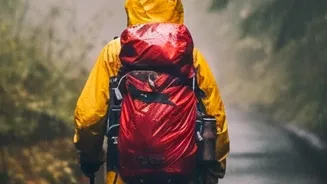
or in heavy monsoon weather, a 'dry bag' is an excellent investment. These bags are designed to be fully submersible and come in various sizes. For city travel or unexpected showers, a high-quality waterproof backpack or a backpack with a sturdy rain cover is often sufficient. On a budget, never underestimate the power of simple plastic bags. A heavy-duty zip-top bag can be a trip-saver for a smartphone or passport, and many seasoned travelers swear by them as a backup. To be extra cautious, place your important electronics inside their own waterproof pouches before putting them in your main bag, creating a double barrier against moisture.
The Wardrobe: Organisation is Key
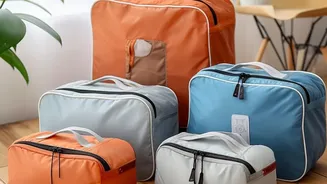
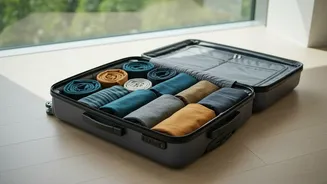
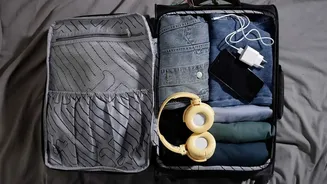
Wet weather presents a two-part clothing challenge: keeping dry clothes from getting wet, and isolating damp items from everything else. This is where packing cubes become a traveler's best friend. By compartmentalizing your suitcase, you create an organized system that’s easy to manage. Use one or two cubes for your main outfits and smaller ones for socks and underwear. Crucially, designate one packing cube specifically for wet or dirty laundry. Many brands now offer water-resistant packing cubes that are perfect for this, preventing a damp rain jacket or wet swimsuit from making your dry clothes smell of mildew. This separation is the single most effective way to maintain order and freshness in your luggage throughout a rainy trip. When unpacking in your hotel, you can simply move the cubes into drawers, keeping your system intact and making it easy to find what you need without rummaging.
Choose Fabrics Wisely
The clothes you choose to pack are just as important as how you organize them. When rain is in the forecast, leave the heavy cotton items at home. Cotton absorbs moisture and takes a very long time to dry, which is a recipe for discomfort. Instead, prioritize lightweight, synthetic, and quick-drying fabrics like polyester and nylon. These materials not only dry faster if you get caught in a shower but are also easier to wash and dry in a hotel room. A quick-drying travel towel is also a much smarter choice than a bulky cotton one. For outerwear, a lightweight, packable rain jacket is non-negotiable. It will keep you far drier and more comfortable than a simple umbrella, which can be clumsy in windy conditions. Packing layers is also a smart strategy, allowing you to adapt to changing temperatures and conditions throughout the day.
Smarter Habits for Rainy Days
Beyond gear, adopting a few smart habits makes all the difference. Always check the weather forecast before heading out for the day to avoid surprises. When you return to your room with wet gear, deal with it immediately. Hang your raincoat and any damp clothes with enough space to air-dry properly. Don’t just throw them in a pile. If your shoes are soaked, stuff them with newspaper or a small, dry towel to help absorb the moisture more quickly. Protecting your electronics also requires vigilance; avoid sharp temperature changes, like moving from a cold, air-conditioned room into humid heat, as this can cause condensation to form inside your devices. Finally, always keep a power bank fully charged. Power cuts can be more frequent during storms, and you’ll want to ensure your phone remains a reliable tool for navigation and communication.