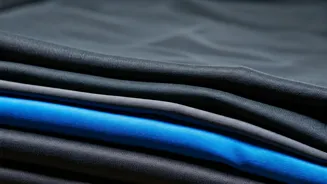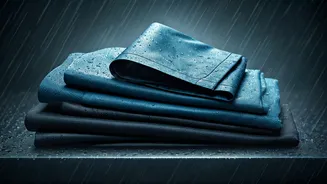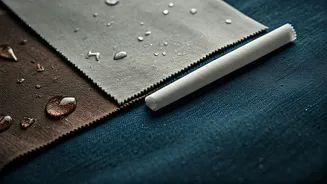







The Champions: Fabrics That Beat the Humidity
When facing a combination of heat and rain, your goal is to wear something that is both breathable and quick-drying. Breathable fabrics allow air to circulate, preventing heat from getting trapped against your skin. [5, 9] Quick-drying materials ensure
that if you get caught in a downpour or simply sweat, the moisture evaporates quickly, keeping you comfortable. [12, 21] Here are the top performers.
Cotton: The Breathable Classic
Cotton is a perennial favourite in India for a reason. As a natural fibre, it is exceptionally breathable, allowing air to pass through and keep you cool. [2, 11] Its ability to absorb moisture helps pull sweat away from the skin. [5, 26] However, there's a catch: pure, heavy cotton can absorb a lot of moisture and become slow to dry, which can feel heavy and damp in the monsoon. [20, 27] The solution? Opt for lightweight cottons like mulmul or voiles, or choose cotton blends mixed with synthetic fibres like polyester, which improve drying time while retaining breathability. [8, 15, 20]
Linen: The Ultimate Cooling Fibre
Made from the flax plant, linen is perhaps the ultimate fabric for hot and humid conditions. [16, 27] Its natural fibre structure creates a loose weave that allows for maximum airflow, and it has excellent moisture-wicking properties, absorbing sweat and drying very quickly. [2, 29] One of linen's best features is its stiffness, which prevents the fabric from clinging to your body, further enhancing comfort. [27, 28] While it wrinkles easily, that relaxed look is part of its charm and a small price to pay for its superior performance in stifling weather. [2, 27]
Rayon and Modal: The Smooth Operators
Rayon (and its cousin, Modal) is a semi-synthetic fabric made from natural cellulose, usually wood pulp. [11, 18] It’s prized for its soft, silky feel and beautiful drape, which feels light and airy against the skin. [16] Rayon is highly breathable and absorbs moisture well, though it can be slower to dry than linen or polyester. [18, 22] Its lightweight nature makes it an excellent choice for flowy dresses, blouses, and kaftans that won’t stick to you when the humidity peaks. [8, 15]
The Contenders: Fabrics to Avoid (Or Use with Caution)
Just as some fabrics can be your best friend during the monsoon, others can turn into your worst enemy. These materials tend to trap heat and moisture, creating a personal sauna effect that leaves you feeling sticky, sweaty, and uncomfortable. Avoiding them is often the simplest way to have a better day.
Polyester and Nylon: A Double-Edged Sword
At first glance, synthetic fabrics like polyester and nylon seem like a great choice. They are water-resistant and incredibly quick to dry. [21, 24, 30] This makes them ideal for outerwear like raincoats or for athletic wear. [12, 23] The major downside, however, is their lack of breathability. [17, 25] Because they are essentially plastics, they don't allow air to circulate and can trap heat and sweat against your skin, making you feel even hotter and clammier in humid conditions. [17, 25] They are best used in blends with natural fibres or as a protective outer layer you can remove indoors. [15, 25]
Denim and Heavy Knits: Too Much of a Good Thing
Heavy fabrics like denim, corduroy, and thick knits are a definite no-go for hot and rainy weather. [3, 15] They are dense, restrictive, and absorb a massive amount of water when wet. Not only do they take an eternity to dry, but their weight when damp is incredibly uncomfortable. [3] The humidity alone can make these fabrics feel heavy and suffocating. It's best to save your jeans and heavy sweaters for cooler, drier days.