




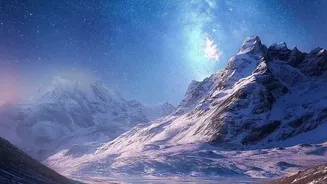
A Celestial Theatre in the Himalayas
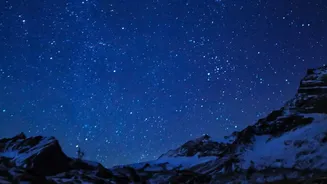
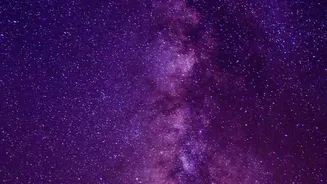
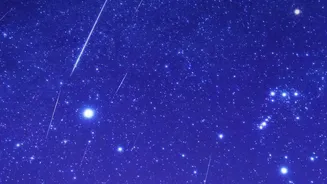
Imagine standing in near-total silence, the cold, crisp air a reminder of your high-altitude surroundings. Above, the sky isn't just black with a few pinpricks of light; it’s a dome of infinite, glittering stars. The Milky Way stretches across the heavens
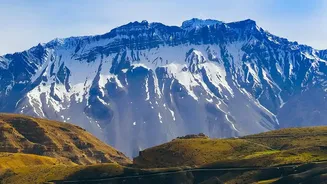
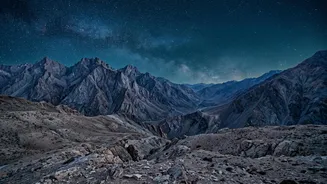
not as a faint cloud, but as a bright, textured band of light, so clear it feels within reach. This isn't a scene from a sci-fi movie. This is a typical clear night in Spiti Valley, a cold desert mountain valley in Himachal Pradesh that offers some of the best stargazing conditions on the planet. For travellers seeking more than just pretty landscapes, Spiti delivers a cosmic spectacle that connects them to the vastness of the universe. In villages like Langza, Kibber, and Komic, the night sky is the main event.
The Science of Spiti's Perfect Darkness
Spiti’s reputation as an astronomer's paradise isn't accidental; it’s a result of a rare combination of geographical and atmospheric factors. First is its altitude. With most villages sitting above 12,000 feet, you are physically above a significant portion of the Earth’s atmosphere, which means less haze and distortion to blur the view. Second, Spiti is a rain-shadow desert. The Himalayas block most monsoon clouds, resulting in exceptionally low humidity and over 250 clear nights a year. The dry air provides stunning transparency, making stars appear sharper and brighter. Finally, and most crucially, is the near-total absence of light pollution. Its remote location and sparse population mean there are no city lights to wash out the faint glow of distant galaxies. This combination earns it a Bortle Class 1-2 rating, a scientific measure for the darkest skies possible, similar to official dark-sky reserves like Hanle in Ladakh.
More Than Stars: A Mindful Experience
The journey to Spiti is as much an inner one as it is a physical one. The valley’s remoteness, ancient monasteries, and stark, silent landscapes encourage a slower, more reflective state of mind. Stargazing here is not just an activity; it's a meditative practice. In the profound silence of the high desert, away from digital distractions, watching the cosmos unfold can be a deeply personal and spiritual experience. It's an opportunity to contemplate our place in the universe, fostering a sense of connection and wonder that is often lost in the noise of daily life. This is the essence of mindful travel: being fully present in an environment that is both humbling and awe-inspiring. This kind of travel focuses on connection—to nature, to culture, and ultimately, to oneself.
Planning Your Celestial Journey
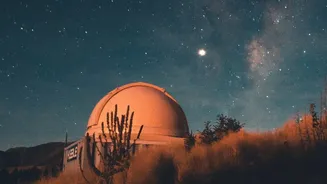
To witness this spectacle, timing is everything. The best months for stargazing are generally from May to October, when the weather is manageable and the roads are open. For the best views of the Milky Way's bright core, aim for a trip between May and September. Crucially, plan your visit around the new moon, as even a half-moon can wash out the fainter stars. Key stargazing hubs include Kaza, which has a government-launched stargazing facility, and the higher villages of Langza, Hikkim, Kibber, and Komic. Even the uninhabited Chandratal Lake, known as the 'Moon Lake', offers phenomenal reflection shots of the sky on calm nights. Remember to acclimatise properly to the altitude and pack for cold nights, as temperatures can drop below freezing even in summer.