





Understanding the Safari Options
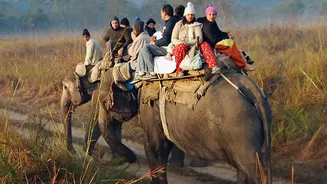
Ranthambore offers several safari formats, each catering to different priorities and budgets. The most common is the 'normal' or 'general' safari, a roughly 3.5-hour trip into a designated park zone. These happen twice daily, once in the morning and once in the afternoon,
with timings shifting seasonally. For these safaris, you can choose between a six-seater Jeep (Gypsy) or a 20-seater Canter. Jeeps are preferred by photographers and small families for a more intimate experience, while Canters are a more budget-friendly option for larger groups. For those seeking a more immersive experience, the park has also offered premium 'Half-Day' (six-hour) and 'Full-Day' (sunrise to sunset) safaris. These are significantly more expensive and available for a very limited number of Jeeps, but they historically offered the major advantage of being 'zone-free', allowing more flexibility to track wildlife across the park.
The Two-Hour Safari Question
The headline's mention of a "two-hour safari demand" points to the ongoing conversation about balancing tourist access with conservation. While no formal two-hour safari option is currently institutionalised, the idea reflects a desire for more accessible, shorter, and potentially cheaper ways for the massive number of visitors to experience the park. The current standard safari lasts about three to four hours. Tour operators sometimes package these as 2.5-hour experiences within a larger travel itinerary. The immense pressure on the booking system is clear: for the October-December 2026 season, nearly 40,000 tourists registered within the first two hours of online booking opening. A shorter safari could theoretically allow more visitors, but it would also intensify the debate over vehicle congestion and its impact on wildlife.
Decoding Ranthambore's Ten Zones
To manage tourism, Ranthambore is divided into 10 distinct safari zones, with a limited number of vehicles allowed in each per shift. Zones 1 through 5 are considered the 'core' or 'premium' zones. They are generally closer to the entrance and feature lakes and landscapes that have historically offered more frequent tiger sightings. Zones 3 and 4 are often cited as the best for consistent tiger spotting. Zones 6 through 10 are located further into the park's buffer areas. While tiger sightings can and do happen here, they might be less frequent. However, these zones often provide a quieter, more serene jungle experience with fewer vehicles and offer good opportunities to see other wildlife like leopards, sloth bears, and a rich variety of birds.
The Zone Allotment Lottery
Herein lies the biggest point of confusion and frustration for many tourists. When you book a standard safari, you can state a preference for a zone, but the final allocation is often determined by a computerised random system managed by the Forest Department. This means that even if you book months in advance hoping for a premium zone, you might be assigned a buffer zone based on availability. This system is designed to ensure fairness and distribute tourist traffic evenly. Even the coveted Half-Day and Full-Day safaris have seen rule changes, with some regulations requiring them to spend a significant portion of their time in zones 6-10, after their allotted time in the core zones is over.
Tips for a Successful Safari
Given the high demand and complex rules, planning is everything. Book your safari permits at least 60 to 90 days in advance, especially if you plan to visit during the peak season from October to March. All bookings require valid government-issued ID for every single visitor, and you must carry the original ID with you on the day of the safari. To maximise your chances of a sighting, book multiple safaris across different times of the day. While a tiger sighting is never guaranteed, an experienced guide can make all the difference by interpreting jungle signs and tracking animal movements. Remember to wear neutral-coloured clothing, carry binoculars, and keep noise to a minimum to avoid disturbing the wildlife and to enhance your own experience.