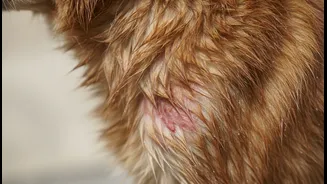









Decoding 'Wet-Coat Proliferation'
You may not find 'wet-coat proliferation' in a veterinary textbook, but millions of Indian pet owners know exactly what it means. It’s a catch-all term that has emerged from online communities to describe a range of nasty skin issues that plague dogs
during the humid monsoon months. The constant dampness, with humidity levels often soaring above 80%, creates a perfect breeding ground for bacteria and fungi on a dog's skin. Medically, this phenomenon covers conditions like acute moist dermatitis (painful 'hot spots'), pyoderma (bacterial infections), and Malassezia (yeast) overgrowth. These ailments are triggered when a dog's coat remains wet for extended periods, trapping moisture against the skin and compromising its natural defences. Breeds with thick fur or skin folds are particularly susceptible.
The Rise of Digital Watchdogs
In cities like Mumbai, Delhi, Bengaluru, and Chennai, dedicated Facebook and WhatsApp groups for pet parents have become the front line in the battle against these seasonal afflictions. What starts as a worried post—"My Lab won't stop scratching, anyone else seeing this?"—quickly evolves into a pattern. Members share photos of rashes, compare notes on symptoms, and discuss which neighbourhoods seem to have a spike in cases. This collective information-sharing transforms personal anxiety into a powerful, informal surveillance network. This grassroots effort is a form of citizen science, where ordinary people collaborate to collect data. By logging symptoms and locations, these forums create real-time maps of health trends, alerting thousands of pet owners to a problem far more quickly than official channels ever could.
Crowdsourced Cures and Caution
The primary function of these groups is support and the sharing of remedies. Recommendations for antifungal shampoos, specific drying techniques, and dietary supplements are common. For instance, the importance of thoroughly drying a pet's paws and underbelly after every walk is a piece of advice amplified endlessly in these forums. However, this digital wave of advice comes with a significant caveat. Veterinarians express a mix of appreciation and concern. While the increased awareness is positive, they caution against the dangers of misdiagnosis. A rash that looks like a simple fungal infection could be a symptom of a more serious underlying allergy or a parasitic infestation like mange. The crowdsourced cure that worked for a Labrador in one part of the city might be ineffective or even harmful for a Shih Tzu in another.
A Vet's Perspective
Veterinary clinics confirm a sharp increase in dermatology cases every year from June to September. They see the value in communities that encourage proactive care, such as regular grooming and keeping pets dry. Many vets now actively engage with these online communities, participating in Q&A sessions or writing blog posts to guide pet parents. Their key message is to use the forums for early detection and support, but not for diagnosis. If symptoms like persistent scratching, hair loss, open sores, or an unusual odour appear, the online forum should be the first step to asking for a vet recommendation, not the last step for treatment. Timely professional consultation can prevent a minor issue from becoming a severe, painful, and expensive problem.
The Future of Pet-Health Tech
This trend of community tracking is just one part of a larger technology-driven shift in pet care in India. A new generation of apps are offering services like online vet consultations, AI-powered health scanners that can analyse a photo of a skin condition, and digital health records. These tools aim to formalise the informal tracking happening in forums, providing a structured way to monitor a pet's health. By integrating user-reported data with AI analysis, these platforms could one day predict outbreaks of 'wet-coat proliferation' before they peak, sending alerts to pet owners in high-risk areas. The digital chatter in today's pet forums is laying the groundwork for a more predictive and proactive era of animal healthcare.